
Texas summers are when we’re most vulnerable to tick bites. Here’s what you need to know.
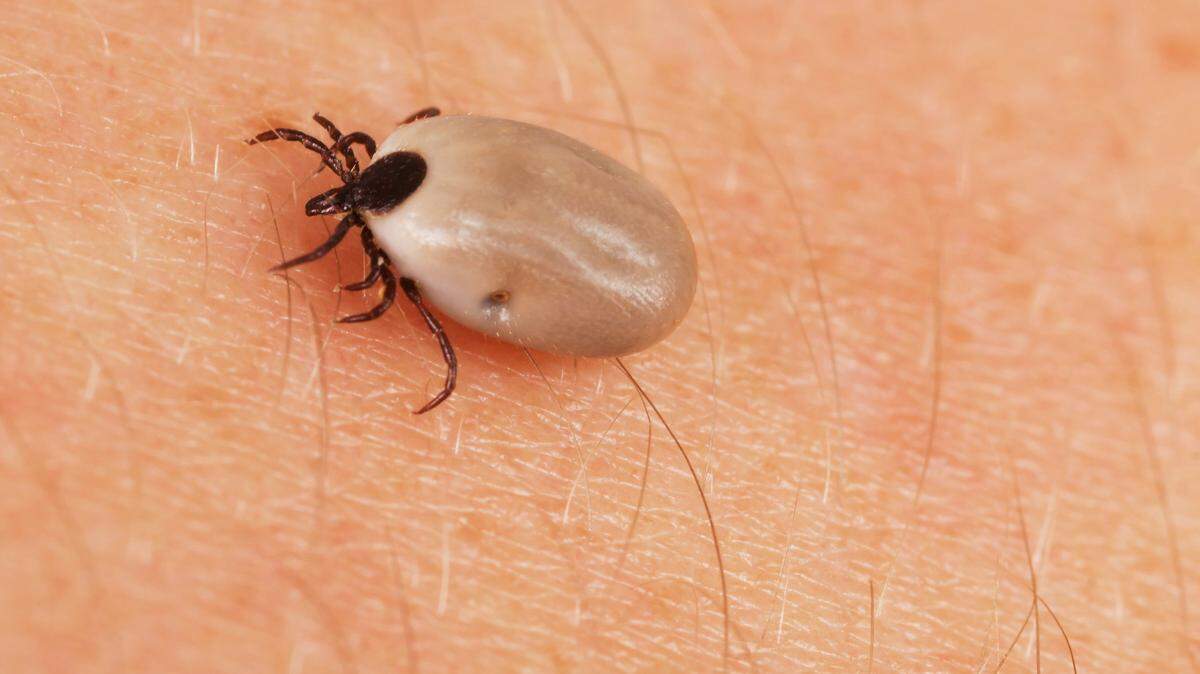
Texas is home to nature’s vampires, especially during the hot summer months. These creepy crawlers are not only a threat to pets, but to humans as well
A recent study conducted by Pest Gnome, ranked Texas as the No. 3 state with the most tick-related illnesses.
“We looked at annual rates of tick-borne diseases like Lyme disease, ehrlichiosis, and Rocky Mountain spotted fever (RMSF),” said Sharon Sullivan, Pest Gnome Senior Editor.
However, in the grand scheme of the study, Texas ranks first overall for vulnerability. This is due to the number of farms and agricultural lands Texas is known for.
What Texans need to know about ticks
For those Texans who love to hike, and spend time in woody outdoor areas, you should be on alert about ticks. These bloodsuckers are present for 12 months a year in Texas. Here is what else you should know about ticks in Texas:
23 Lyme disease cases reported in 2023. Ranking Texas in 30th for Lyme Disease cases.
Texas has 230,662 farms, making it the No. 1 state in the country with the most farms.
Texas is No. 17 among most populated states with the disease-filled species including Blacklegged Tick (Ixodes Scapularis) and Western Blacklegged Tick (Ixodes Pacificus).
Texas has a year round tick season, making it No. 1 for length of tick season.
Texas is No. 1 for land used as farmstead and acreage.
Third most popular state for tick-related google searches.
Not all tick bites mean disease, you should only be worried if you start to feel ill.
“Watch for symptoms — rash, fever, muscle or joint pain, or headache. If you start to experience these symptoms, see your medical provider and tell them about the tick bite,” said Becky Smith, Associate Professor of Epidemiology at the University of Illinois Urbana Champaign.
No matter what, when you see a tick you should remove it immediately. To do so, grab with tweezers as closely to the head of the tick as possible and pull. Make sure to pull out everything. You can either save the tick in a freezer bag with a paper towel, stomp on it, or flush it.
To prevent tick bites, wear long sleeves and protective clothing to cover your skin. Some even suggest socks pulled up over your pant legs. Bug sprays can also be used.