Biden resumes work on Texas border wall. Will this harm wildlife, endangered species?
The Biden administration announced in October that it will waive environmental, public health and cultural resource protection laws for the first time to fast-track construction of the U.S.-Mexico border wall in Texas.
It will take “immediate action to construct barriers and roads” along the border, waiving 26 laws protecting clean air, clean water, public lands, endangered wildlife and indigenous grave sites, according to the Center for Biological Diversity. The border wall currently covers 700 miles of the 1,954-mile U.S.-Mexico border, and the administration now says it will build about 20 miles across Starr County.
This is the first time the Biden administration has used the REAL ID Act waiver authority. In January 2017, President Donald Trump signed an executive order to build the wall on the U.S.-Mexico border, declaring it a national emergency and invoking the 2005 REAL ID Act to make it happen without following environmental laws. The Trump administration installed about 450 miles of barrier along the southwest border. In January 2021, President Joe Biden terminated the national emergency declaration, paused border wall construction and directed his administration to develop a plan to redirect the money.
Facing increasing pressure to take action at the border, the administration this month announced its plans to build a border wall in south Texas, including through fragile habitat near the Lower Rio Grande Valley National Wildlife Refuge. Increased wildlife mortality, disrupted wildlife migrations, reduced wildlife populations and altered waterflows could ensue, environmental activists warn.
In September, the U.S. Government Accountability Office released a report on the severe damage the border wall has caused to wildlife, public lands as well as indigenous sacred sites and burial grounds along the U.S.-Mexico border.
“It’s disheartening to see President Biden stoop to this level, casting aside our nation’s bedrock environmental laws to build ineffective wildlife-killing border walls,” said Laiken Jordahl, Southwest conservation advocate at the Center for Biological Diversity, in a news release. “Starr County is home to some of the most spectacular and biologically important habitat left in Texas and now bulldozers are preparing to rip right through it. This is a horrific step backwards for the borderlands.”
How will animals be affected by border wall construction in Texas?
The Center for Biological Diversity, a nonprofit that aims to protect endangered species, says that the U.S.-Mexico border wall jeopardizes wildlife, endangered species and public lands.
Defenders of Wildlife, a conservation organization that aims to protect native animals and plants throughout North America, says the wall will potentially impact the 89 endangered species and 108 species of migratory birds that live in the area, including in wildlife refuges and protected wetlands. Endangered species include the jaguar, Mexican gray wolf, Sonoran Pronghorn, Peninsular bighorn sheep and subspecies of the ferruginous pygmy-owl.
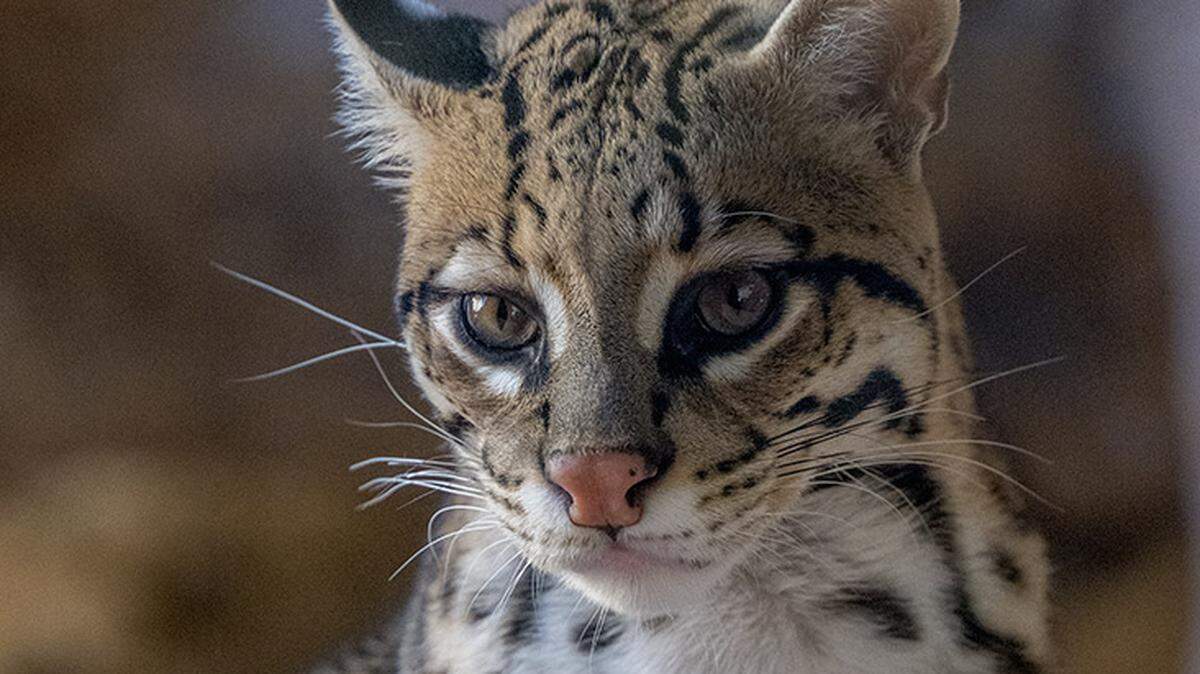
The Center for Biological Diversity says that wall construction in Starr County could harm recovery plans for endangered ocelots, medium-sized spotted wild cats, which depend on contiguous wildlife corridors of protected habitat along the Rio Grande.
“Every acre of habitat left in the Rio Grande Valley is irreplaceable,” Jordahl says. “We can’t afford to lose more of it to a useless, medieval wall that won’t do a thing to stop immigration or smuggling. President Biden’s cynical decision to destroy crucial wildlife habitat and seal the beautiful Rio Grande behind a grotesque border wall must be stopped.”
Which laws will be waived for construction of border wall in Texas?
- National Environmental Policy Act
- Endangered Species Act
- Native American Graves Protection and Repatriation Act
- American Indian Religious Freedom Act
- Federal Water Pollution Control Act
- National Historic Preservation Act
- Migratory Bird Treaty Act
- Migratory Bird Conservation Act
- Clean Air Act
- National Wildlife Refuge System Administration Act
- Eagle Protection Act
- National Fish and Wildlife Act of 1956
- Fish and Wildlife Coordination Act
- Archeological Resources Protection Act
- Paleontological Resources Preservation Act
- Safe Drinking Water Act
- Archaeological and Historic Preservation Act
- Noise Control Act
- Solid Waste Disposal Act, as amended by the Resource Conservation and Recovery Act
- Comprehensive Environmental Response, Compensation, and Liability Act
- Antiquities Act
- Historic Sites, Buildings, and Antiquities Act
- Farmland Protection Policy Act
- National Trails System Act
- Administrative Procedure Act
- Federal Land Policy and Management Act