Texas reports first locally acquired malaria infection since 1994. Here’s what that means
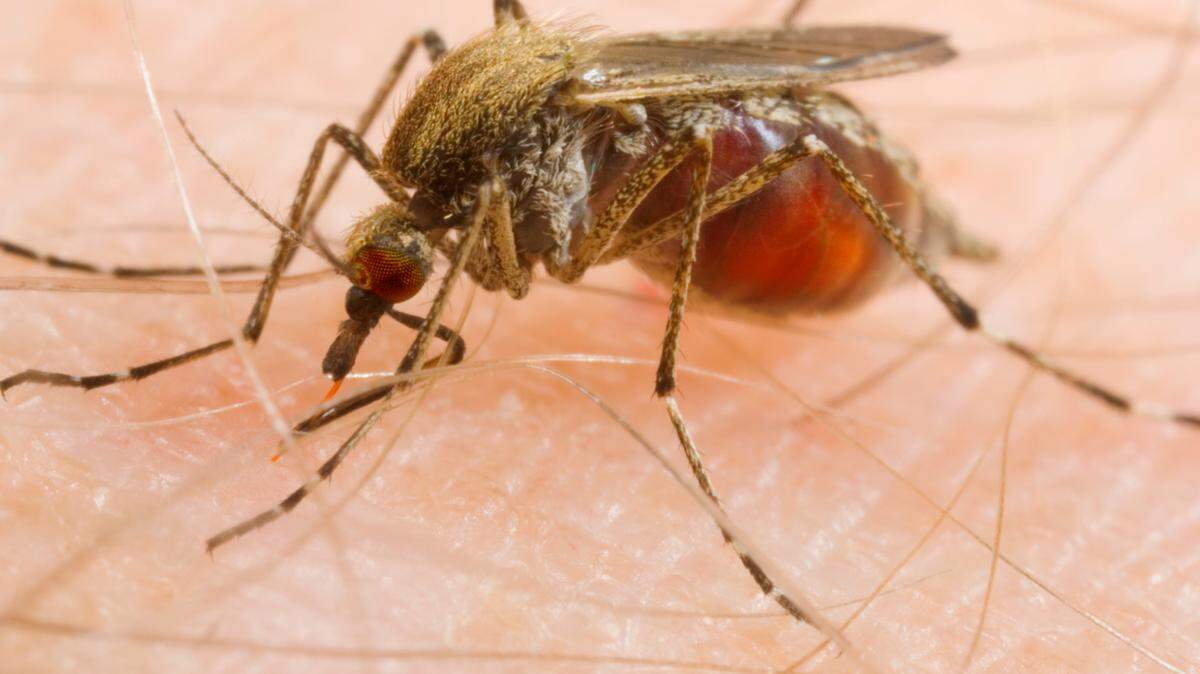
On Friday, The Texas Department of State Health Services announced that a Texas resident who has not traveled outside the country or state was diagnosed with malaria.
While Texas averages more than 120 travel-related malaria cases a year, the last locally acquired Texas case happened in 1994. The Cameron County resident with malaria had spent time working outdoors, and DSHS is working to determine whether other people have been exposed.
When a warmer-than-normal winter is combined with rain, that creates the perfect mosquito breeding grounds. That’s why experts are predicting an early, fierce mosquito season this year.
“As the temperatures continue to rise, mosquito populations boom and the recent rains have created the perfect breeding ground for another banner year,” said Mike Malone, pest expert at Arrow Exterminators, in a news release Friday. “Homeowners should take precautions because these pests do more than leave behind itchy red bites.”
Almost all U.S. malaria cases occur in people who have traveled to or are coming from countries with ongoing malaria transmission. Occasionally, locally acquired cases occur when a mosquito bites an infected traveler and then bites someone else.
“Malaria is a serious and potentially fatal disease caused by a protozoan parasite from the Plasmodium genus, which can be transmitted through the bite of a mosquito of the genus Anopheles,” DSHS said in a statement.
With this, DSHS said doctors should consider malaria in patients with fever or other relevant symptoms and a history of mosquito bites, ordering testing as needed. Texas residents, DSHS says, should protect themselves from mosquito bites by using an EPA registered insect repellant, wearing long sleeves and pants and draining standing water to limit mosquito breeding.
Malaria symptoms
Common symptoms are flu-like, and typically start seven to 30 days after infection:
- Fever
- Shaking chills
- Sweats
- Headache
- Body aches
- Nausea
- Vomiting
Without treatment, severe malaria can be life-threatening and can cause:
- Disorientation
- Seizures and other neurological symptoms
- Low red blood cell counts (anemia)
- Acute respiratory distress syndrome
- Kidney damage
How to protect yourself from malaria
Doctors should routinely obtain a travel history to determine whether a symptomatic patient spent time outdoors and got mosquito bites in an area with malaria activity, DSHS says, and promptly report suspected malaria cases to their local health department.
As for the general public in Texas, here’s how you can protect yourself from mosquito-borne diseases by preventing mosquito bites:
- Wear EPA registered insect repellents whenever you go outside.
- Cover up with long-sleeved shirts and long pants, especially at night when mosquitos are active.
- Keep mosquitoes out by keeping doors and windows closed and/or installing window screens.
- Prevent mosquitoes from breeding by dumping out standing water, keeping gutters clear, covering trash containers, regularly changing water in pet dishes and bird baths and using mosquito larvicide in water that can’t be drained.
- If you’re traveling, check your destination and consult your doctor to see if you should take prescription malaria medication.
For more information, visit dshs.texas.gov/malaria and dshs.texas.gov/mosquito-borne-diseases.