Poison hemlock was reported in a North Texas city. Here’s how to identify the toxic plant
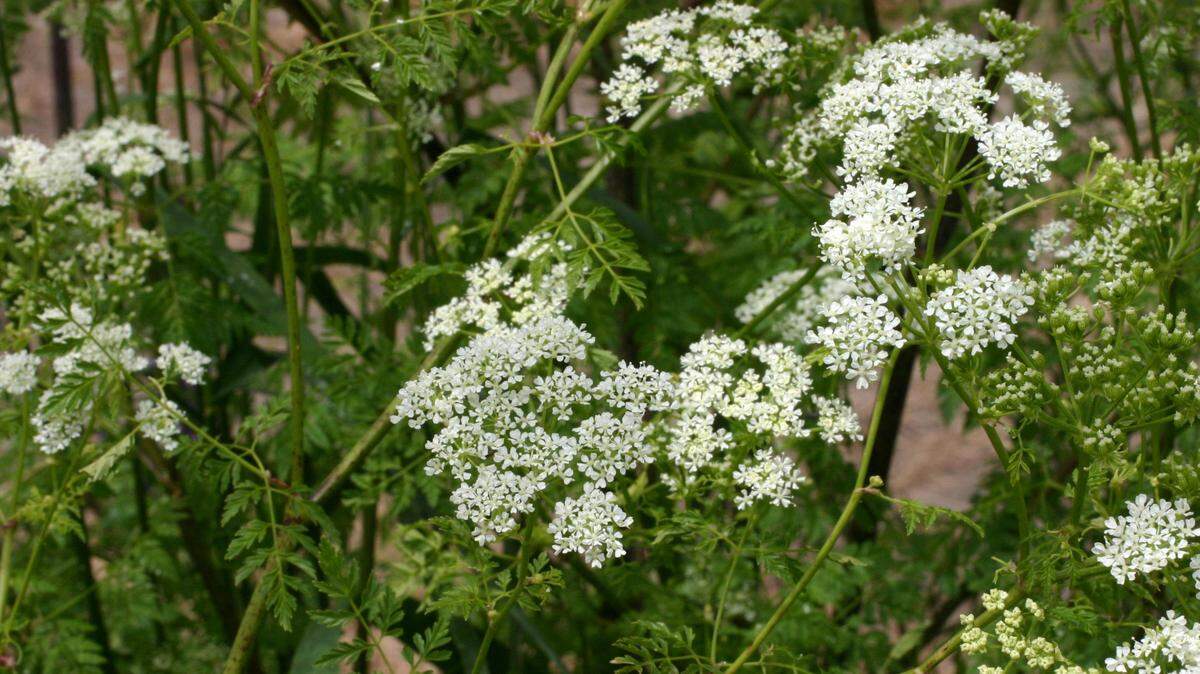
A report of poison hemlock in a Dallas County city garnered attention from thousands of residents concerned about encountering the toxic plant.
A Lancaster woman wrote a caution to residents in a Facebook group and said after pulling weeds in an alley behind her home, her arms felt like they were on fire.
There are two types of hemlock in Texas to avoid: poison hemlock and spotted water hemlock.
Last year water hemlock was found at White Rock Lake in Dallas which prompted emergency herbicide application.
Here’s what to know about each of these toxic plants.
What is poison hemlock?
Poison hemlock is a stout, erect plant with light green stems and fern-like leaves that can grow up to 10 feet. It has umbrella-shaped clusters of white flowers with 12-15 flowers with five petals.
The Texas A&M AgriLife Extension Service reports poison hemlock can be found in roadside ditches and stream banks, growing in moist soils and preferring full sun to light shade.
All parts of the plant are extremely poisonous.
Poisoning can happen in humans from inhaling the plant’s fumes or through skin contact. Humans can also die in two hours if six to eight leaves are ingested.
What is spotted water hemlock?
Spotted water hemlock grows up to six feet with fern-like leaves growing smaller higher up on the stem. The plant has 12 to 15 small white or green five-petaled flowers at the ends of the stems in 10 to 20 umbrella-shaped clusters.
Spotted water hemlock is found in east, central and north Texas, according to the Texas A&M AgriLife Extension Service. Spotted water hemlock is only found near streams, marshes, wet meadows and permanent springs because of its need for plenty of water.
All parts of the plant are toxic, however mature and dried leaves are not toxic, according to the Texas A&M service. The plant can cause death between one to eight hours after consumption in all animals and humans.
What should I do if I touch hemlock?
The Centers for Disease Control and Prevention outlines the following steps if you touch a poisonous plant like hemlock.
- Rinse immediately with rubbing alcohol, poison plant washes or dishwashing soap and plenty of water. Scrub under nails.
Apply wet compresses, calamine lotion or hydrocortisone cream to the skin to reduce itching and blistering.
Take an antihistamine like Benadryl to help relieve itching.
Get medical help in severe cases, or if the rash is on the face or genitals.
Call 911 or go to a hospital emergency room if you have a severe reaction, such as swelling or difficulty breathing.
This story was originally published June 5, 2023 at 12:15 PM.