Summer heat turns Texas prisons into death chambers, study says. Will state pay for AC?
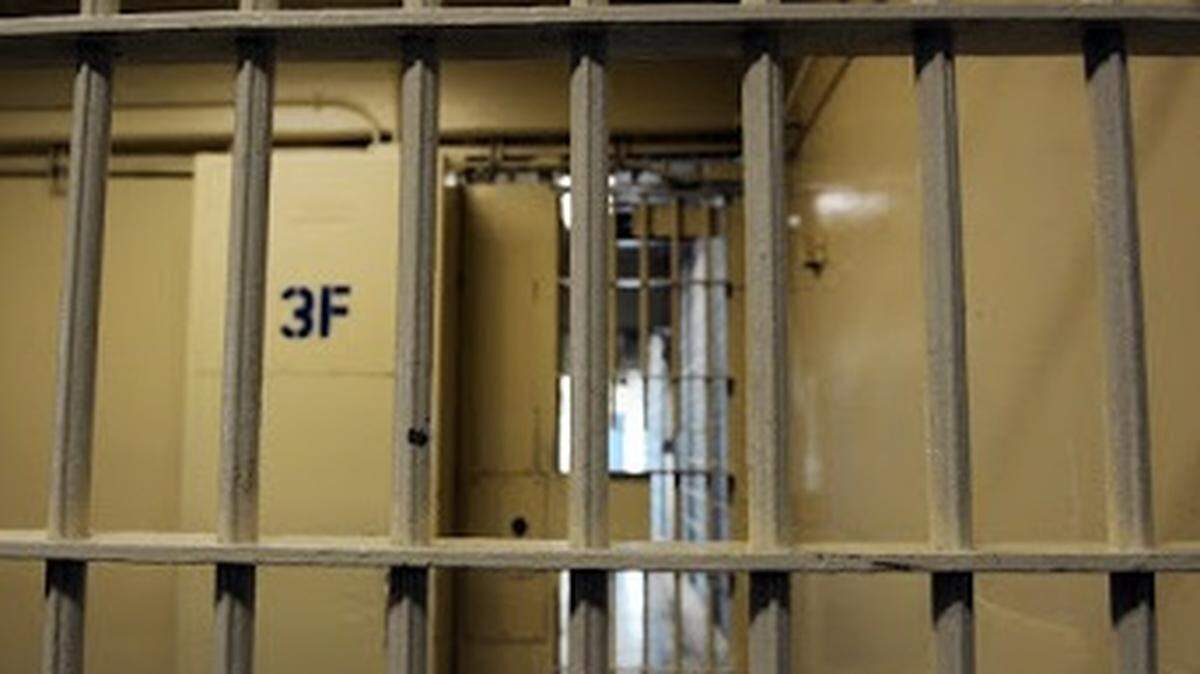
The Texas House is proposing to spend $545 million to install air conditioning units in many of the state’s lethally hot prisons. This is good news for prison advocates who have fought for years to improve conditions inside Texas prisons. But their optimism is tempered by a lack of reciprocity so far from the state Senate, even as the Texas legislature has nearly $32.7 billion to work with.
Texas summers will only get hotter. If last year’s summer heat wave and drought conditions are to repeat, conditions are expected to reach dangerous levels yet again.
Triple-digit heat a lethal danger in Texas prisons, study says
A lack of air conditioning at most Texas Department of Criminal Justice facilities has incarcerated individuals suffering dangerous consequences from the triple-digit heat.
Since 1998, the department has recorded at least 23 heat-related deaths. And in 2018 alone, at least 79 incarcerated people and prison staff reported heat-related illnesses from January to October, according to a report released July 21, 2022, by Texas A&M’s Hazard Reduction and Recovery Center and the advocacy group Texas Prisons Community Advocates.
“It’s brutal. They’re dying. They’re passing out. They’re absolutely miserable right now,” Amite Dominick, president of TPCA and one of the authors of the report, told the Star-Telegram last summer. “This is the worst summer I’ve seen.”
- Texas is one of at least 13 states without universal air conditioning in state prisons, according to the research. Temperatures inside units have regularly reached 110 degrees, conditions incarcerated people call a “living hell,” according to the study.
- TDCJ operates 100 facilities, with 70 units having partial to no air conditioning, according to Texas Prisons Community Advocates. Only 30% of state prisons and jails are fully air-conditioned.
- Dying from heat is a common fear among inmates, the report found through surveys from 309 incarcerated individuals collected between June 2018 and December 2020. At least 10 incarcerated people died in the 2011 heat wave.
- Heat degrades a person’s health over time, researchers said. A person who dies of a heart attack, for example, may not have died from heat exposure directly, but consistent exposure to excessive heat.
- Heat makes it more difficult for infected individuals to fight off the virus, contributing to COVID-19 deaths in prisons.
- Others are vulnerable to heat because they have underlying health conditions, or they take medication that makes them especially sensitive to the heat. “Some of them aren’t taking their medication during the summer, because they’re afraid that’ll kill them,” Dominick said.
Are incarcerated individuals in Texas entitled to air conditioning?
The Texas Commission on Jail Standards requires that temperatures be between 65 and 85 degrees in all county jails. Those same standards should be applied to all state-run prisons and jails, says Texas Prisons Community Advocates.
- Advocates argue that the lack of air conditioning is in violation of the U.S. Constitution’s Eighth Amendment against cruel and unusual punishment, and the 14th Amendment guaranteeing equal protection to citizens.
- When an incarcerated person does need medical attention because of the heat, they often are denied care or receive inadequate care, she added. Sixty percent of inmates reported that wellness checks were not being conducted, and 43% reported that their health crisis was disregarded by staff.
- By contrast, in federal prisons and jails, inmates are entitled to air conditioning. Bureau of Prisons institutions are accredited by the American Correctional Association, whose standards require livable temperatures that are not too hot or cold. “Heat stroke is treated as a medical emergency and appropriate care is rendered to the inmate patients,” Federal Bureau of Prisons spokesperson Randilee Giamusso told the Star-Telegram.