Fentanyl test strips could become legal in TX. But what about tests for other substances?
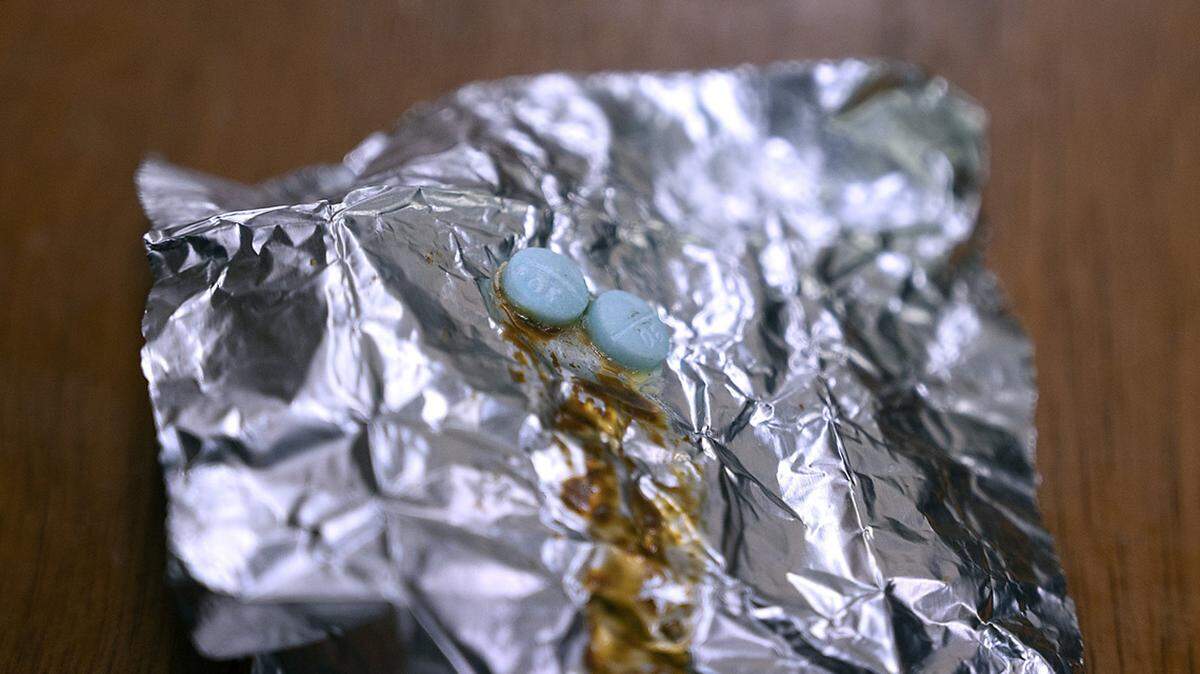
As dangerous drugs become more prevalent in the Texas drug supply, there’s still no legal way for people to check and see whether a drug sample could increase their risk of overdosing.
Last week, the Texas state health department cautioned that a new drug — xylazine — had been detected in the drug supply in West Texas. Xylazine can legally be used by veterinarians as a tranquilizer for animals. But now, it’s being mixed with other drugs, like fentanyl, the well-known synthetic opioid that has caused more than 2,000 Texans to overdose in one year, according to the most recent available data. Xylazine has contributed to at least four reported deaths in Texas, according to the health department. And in other parts of the country, it has become increasingly common in the illegal drug supply.
Currently, using a test strip to detect either fentanyl or xylazine is illegal in Texas. That could change during the legislative session: Gov. Greg Abbott said he supports legalizing fentanyl test strips, which can detect the presence of fentanyl in a drug sample. Multiple bills being considered by lawmakers this session would explicitly legalize the use of fentanyl test strips. One of the bills, House Bill 362, has passed out of committee.
But the bills being considered by lawmakers would only legalize test strips that could detect fentanyl, and wouldn’t decriminalize ones that could detect the newer xylazine, which is on its way to become the latest threat infiltrating Texas’ drug supply.
Katie Harris, a fellow in drug policy with Rice University’s Baker Institute for Public Policy, has urged lawmakers to broaden the bill’s language.
“If we look at the trajectory of fentanyl across the country, we can expect xylazine to do the same thing,” she said. “Which means that we have the potential now to get people these kinds of test strips so that they can test their drugs and avoid this drug.
“We have the potential to be proactive,” she said.
Xylazine test strips only became available for commercial use recently, when BTNX, the company that manufactures the test strips, confirmed that the strips would be sold for $2 a piece. The test strips’ availability was first reported by Stat News.
The Texas legislative session ends May 29, and lawmakers could still amend bill language to legalize xylazine test strips in addition to the fentanyl strips.
Advocates for harm reduction say legalizing tests for xylazine now, before the drug becomes commonplace in the Texas drug supply, could allow it to have greater impact.
The theory behind drug testing strips works like this: If someone who uses opioids tests to see whether their supply has fentanyl in it, a positive result could help them decide to get rid of their drugs or use them more safely, like doing so with other people present who can call 911 in the event of an overdose.
Jackie Goldman, a researcher with the Brown University School of Public Health, interviewed dozens of people in Rhode Island about fentanyl testing strips. Goldman and their colleagues concluded that the people found the test strips easy to use, and that the strips helped them make decisions. A 20-year-old man who participated in Goldman’s study threw away his drug supply after he tested it for fentanyl and it came back positive. In an interview with researchers, the man said that “you could save your life by using this. Or you could not use it and do what you’re going to do and be dead.”
Goldman said testing strips are particularly useful given how much the drug supply in the U.S. has changed. Increasingly, drugs are mixed with other additives, like fentanyl or xylazine, that can make them more dangerous and leave people using drugs with little knowledge about what they’re actual ingesting.
Like any tool, fentanyl and xylazine test stripes aren’t enough to prevent overdoses, deaths, or substance use disorder more generally. But advocates say they are help people who use drugs to make safer choices and reduce the risk of overdose.
“The list of states that prohibit test strips are dwindling every legislative cycle,” Goldman said. “While they’re not going to solve all of our problems, they are extremely important...and they’re going to save lives. Hopefully legislators take note of that.”