Can Texas really use eminent domain to keep Fairfield Lake State Park? Expert weighs in
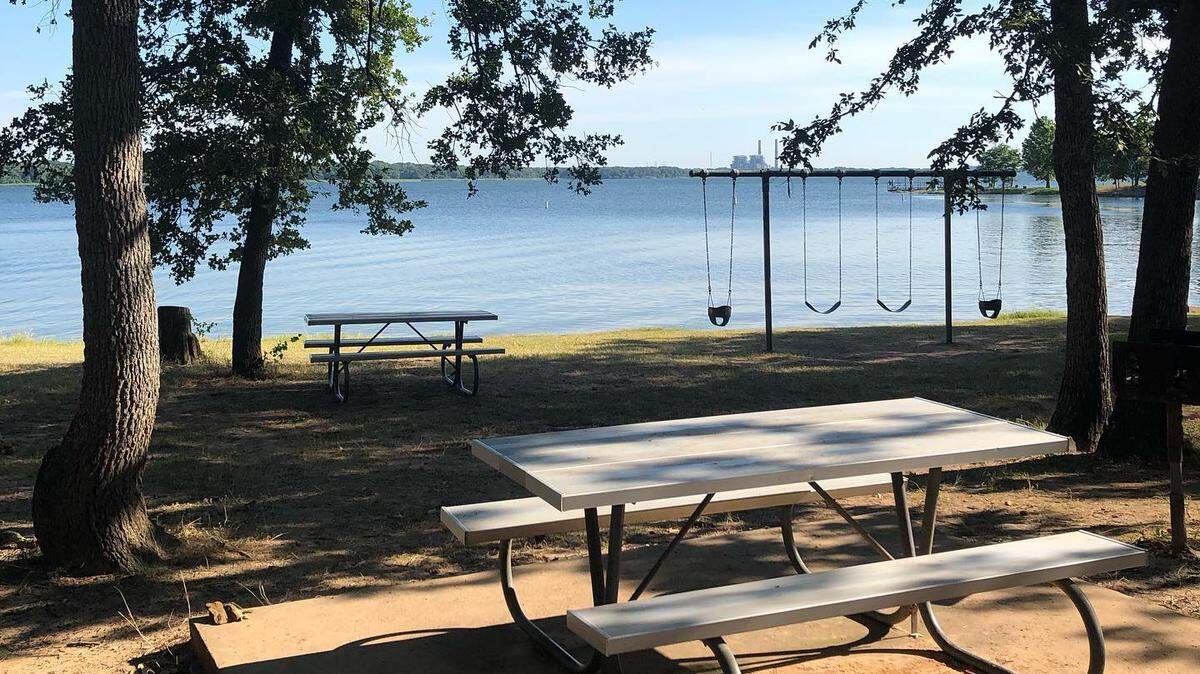
A Texas state legislator is seeking to use eminent domain to force a private land owner to sell 1,800 acres to the state, one day after that owner announced that it would no longer allow the state to use the land as a state park.
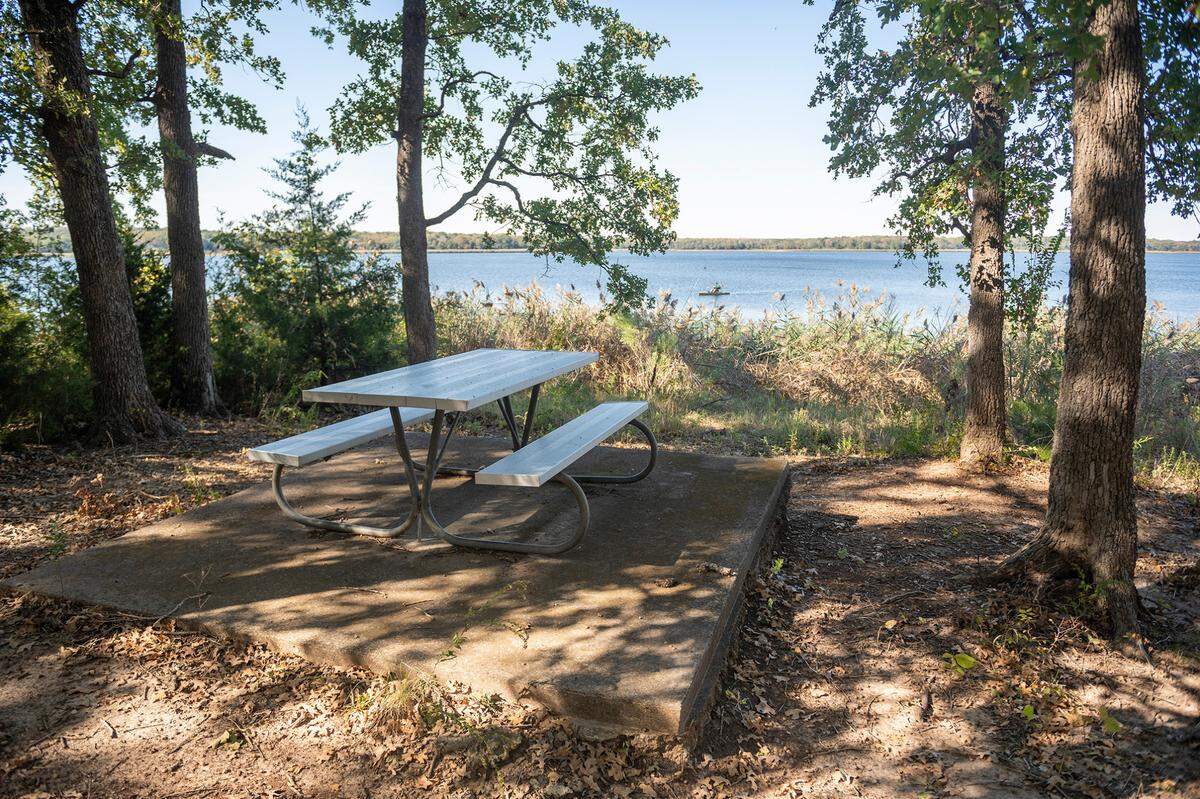
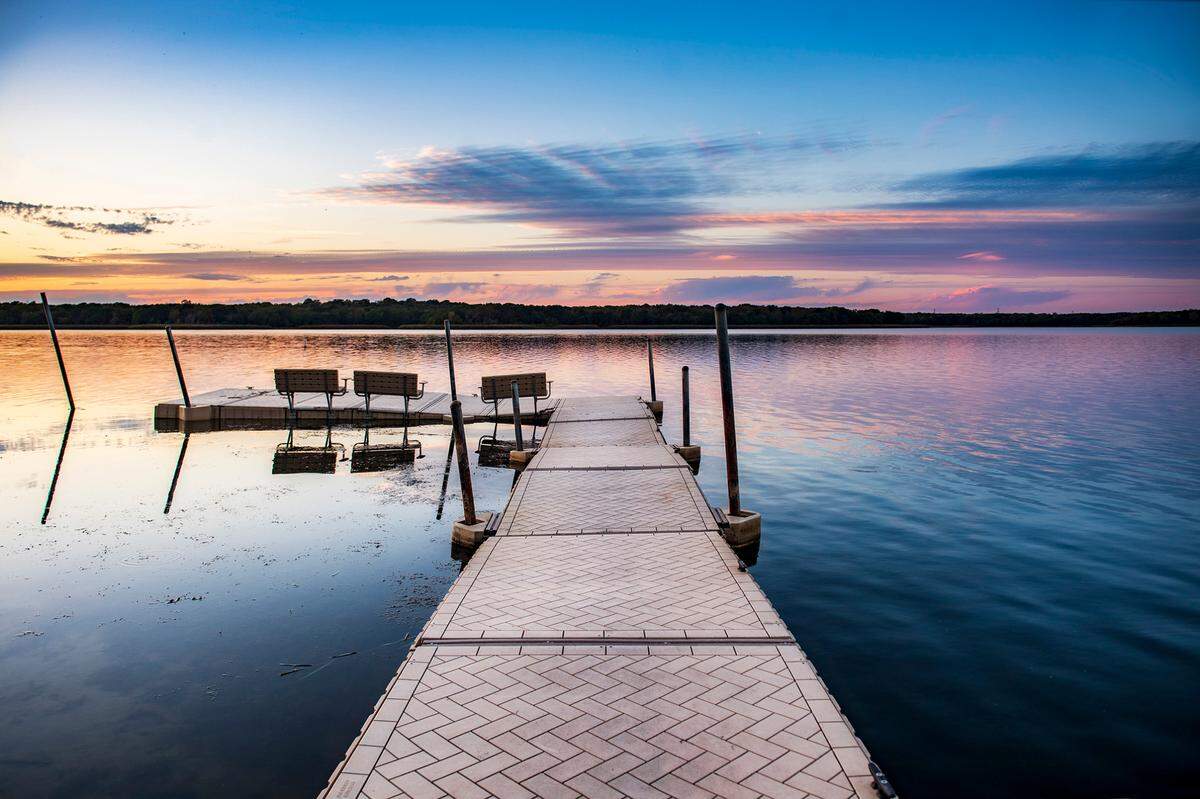
Fairfield Lake State Park, in Freestone County, has been open to the public since 1976, but the state leases the land from private owner Vistra Corp., which is an energy company. Vistra is moving forward with selling the land to a private developer, who plans to turn the property into a gated community. Vistra notified the state on Monday that it was terminating the state park lease, and the park is slated to close at the end of February.
But one day after that notice, state Rep. Angelia Orr, a Republican from Hill County, filed a bill to preserve the park. The bill, if passed, would grant the Texas Parks and Wildlife Department “the power of eminent domain to acquire ... any property necessary to preserve Fairfield Lake State Park.” Eminent domain is a legal standing that allows entities to take private land for public use, although the entities must still pay for the property that they’re acquiring. The authority is often used for the construction of highways and pipelines.
A spokesperson for Vistra declined to comment Wednesday on the eminent domain bill.
Emilio Longoria, an assistant law professor who specializes in eminent domain at St. Mary’s University in San Antonio, said the state park would be a pretty clear-cut case of eminent domain. In order for an entity to exercise eminent domain, he said, the main requirement is to prove that the land would be used to benefit the public. And a state park is a straightforward example of a public benefit.
The owner of the state park land — whether that’s Vistra or the future owner, Dallas-based developer Todd Interests — might be able to fight the sale price of the land, Longoria said. But they’d have a hard time fighting the state’s eminent domain claim as a whole.
“The right to take would be very difficult to challenge here,” Longoria said.
Orr’s bill has only been filed at this stage, while the clock is ticking for the fate of the state park. Under the rules of the Texas state legislature, Orr’s proposal would still have to proceed through a number of steps, including a vote in both the House and the Senate, in order to take effect and allow the state to take the land.
Orr has brought eminent domain to the table after state officials spent weeks scrambling to arrange a deal to purchase the Fairfield Lake State Park land. But a spokesperson for Vistra said the company first notified the Texas Parks and Wildlife Department of its intent to sell nearly four years ago.
Vistra, through subsidiary Luminant, operated a power plant near the park until 2018. After closing the plant, Vistra moved toward selling the land, but the state didn’t make an offer. By 2021, Vistra placed a total of 5,000 acres, including the state park land, on the market for $110 million. The state didn’t make an offer at that point either because, officials said, Parks and Wildlife didn’t have the money in its budget to purchase the full 5,000 acres, and Vistra wasn’t interested in selling just one chunk of the land.
The development firm Todd Interests then made a move on the land, with plans to turn the property into a gated community of multimillion-dollar homes. Vistra and Todd Interests entered into a contract for the property. (Todd Interests has not responded to numerous requests for comment over the past few weeks.)
The Star-Telegram then reported in January that officials with Parks and Wildlife had decided to try to purchase the full 5,000 acres, using funds that the department now has at its disposal thanks to the 2019 sporting goods tax amendment.
State officials urged the developer to walk away from the deal and allow the state to step in. That hasn’t happened.
On Monday, Vistra issued a lease termination notice to the state, giving the state until mid-June to fully shutter park operations. Parks and Wildlife officials told the Star-Telegram on Tuesday that the park would be closed to the public by the end of the month.
Arch “Beaver” Aplin III, the founder of Buc-ee’s and chairman of the Texas Parks and Wildlife Commission, said the developer had told him that they were moving forward with the gated community plans.
“They told me that negotiations are over, they’re moving forward,” Aplin told the Star-Telegram on Tuesday. “I think the Todd group’s resolute on closing the park and going on with their development.”
With options — and time — dwindling, eminent domain has now entered the conversation.
But while it may be legally straightforward, the politics of eminent domain can still be messy — particularly in Texas, where many residents place a high value on private land ownership.
For instance, a conservative legislator might support the oil and gas industry in general but struggle with the idea of taking rural land to build a new pipeline.
“The political lines are not clear,” said Longoria, the law professor. “There is a sort of inherent conflict between some more conservative ideologies and eminent domain.”
But for the residents and legislators who want to keep Fairfield Lake State Park open, they might have to compromise on their views of the government taking private land.
“You must accept, if you want a public park to exist, (it) has to come at the expense of someone’s ownership,” Longoria said. “Because land ownership is a zero-sum game.”
The Republican legislators who have rallied around Fairfield Lake State Park have already expressed some of this conflict, even before Orr filed the eminent domain bill.
Rep. Ken King, a Republican from the city of Canadian who was the chair of the House’s Culture, Recreation & Tourism Commission until recently, has denounced the sale of the park land to a private developer. He previously told the Star-Telegram that the pending sale is “categorically wrong,” particularly because the Texas Parks and Wildlife Department has estimated that there’s more than $70 million worth of taxpayer-funded improvements on the state park land.
But, at the same time, King also has said that he identifies as a “dyed-in-the-wool capitalist” and believes in Vistra’s right to sell the property. In the case of Fairfield Lake State Park, those two beliefs come into conflict.
King’s office didn’t immediately respond to a request for comment Wednesday about Orr’s eminent domain bill.
When asked about the bill, a spokesperson for the Texas Parks and Wildlife Department directed specific questions to Orr’s office. The spokesperson also sent an emailed statement from the department’s executive director, David Yoskowitz, saying that the department is “monitoring the progress of this legislation to save a publicly accessible treasure.”
“We are deeply grateful for the outpouring of support from our elected officials to save Fairfield Lake State Park for future generations,” Yoskowitz said in the statement.
This story was originally published February 14, 2023 at 10:40 PM.