Texas Independence Day is March 2. Why do we still celebrate it over 185 years later?
.JPG "Bearing the six flags of Texas’ history the Hardin Simmons University Six White Horses ride in the Fort Worth Stock ShowÕs ÒAll Western ParadeÓ in downtown Fort Worth January 16, 2009. (Special to the Star-Telegram/ Richard W. Rodriguez)1")
Texas Independence Day is March 2 which marks the day the Republic of Texas was born.
While Texas has been part of the United States for over 175 years, Texas Independence Day is still recognized in the Lone Star State.
Sam Haynes, history professor at The University of Texas at Arlington, said when Texans recognize Texas Independence Day, they’re celebrating the state’s unique history.
“The war for independence against Mexico, the creation of an independent republic — even an unsuccessful one —all draw attention to the fact that Texas can claim a creation story that is unlike any other state in the Union,” Haynes said in an email.
Whether you’re new to Texas or need a refresher, here are important dates to remember.
What is Texas Independence Day?
Before Texas was part of the United States it was part of Mexico.
Starting in 1821, Mexico hired empresarios — businessmen — to help settle the land of Texas. Once Mexico President Antonio López de Santa Anna came to power, the constitution made between Mexico and the Texas settlers was abandoned.
On March 2, 1836, the Texas Declaration of Independence marked the start of the Republic of Texas.
What started the Texas Revolution?
The Texas Revolution began in October 1835, exactly five months before independence was declared, with the battle of Gonzales. The Battle of Gonzales is most remembered for Mexico’s attempt to seize a cannon from the town of Gonzales and Texas settlers’ “Come and Take It” response.
When was the Battle of the Alamo?
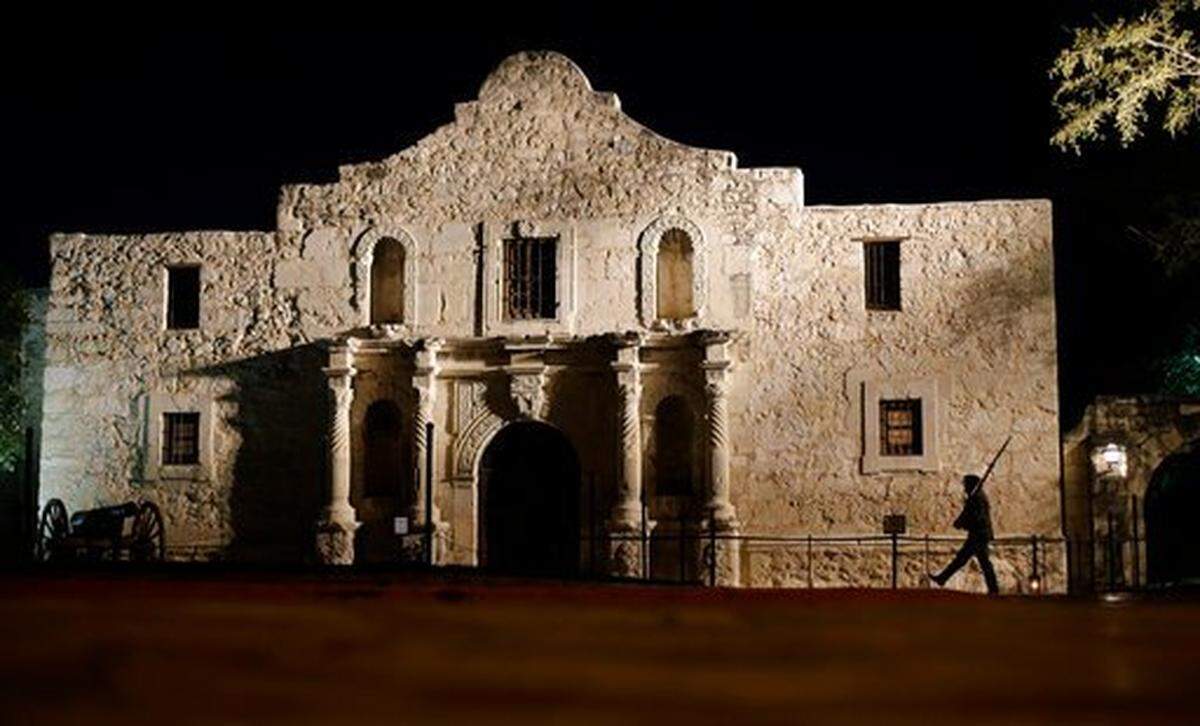
March 6 marks the Battle of the Alamo which commenced following a 13-day siege by Santa Anna’s army.
Although all defenders of the Alamo died, the iconic battle cry “Remember the Alamo” was used to rally soldiers at the final battle of the Texas Revolution.
What is San Jacinto Day?
San Jacinto Day, April 21, marks the end of the Texas Revolution. Santa Anna’s army was defeated at the Battle of San Jacinto on April 21, 1836, officially recognizing Texas as independent from Mexico.
When was Texas annexed into the United States?
The Republic of Texas lasted for nearly 10 years before it was annexed into the United States in 1845.
Republic leaders originally voted in favor of annexation after gaining independence from Mexico in 1836, but the measure was blocked by a small anti-slavery faction in the U.S. Congress led by John Quincy Adams, Haynes said.
By the mid-1840s, Republic of Texas president Sam Houston helped revived the annexation issue by making it known to the United States that Texas could form an alliance with Great Britain, Haynes said.
June 23 marks the day the Congress of Texas voted in favor of annexation. Texas officially became the 28th state on Dec. 29, 1845 and the formal transfer of government happened Feb. 19, 1846.
Why does the myth that Texas can secede from the United States exist?
While the Civil War established that Texas can not secede from the United States, the myth is a popular talking point among Texans and its politicians today.
Haynes said the myth most likely originates with the terms of the annexation resolution, passed by the U.S. Congress in the spring of 1845.
“The resolution allowed Texas to subdivide into four additional states — a proposal that would have given the South considerably more power in Washington. But the resolution never said anything about Texas retaining the right to secede,” he said.