As avian flu sweeps through turkey flocks, these Texas farmers have avoided the strain
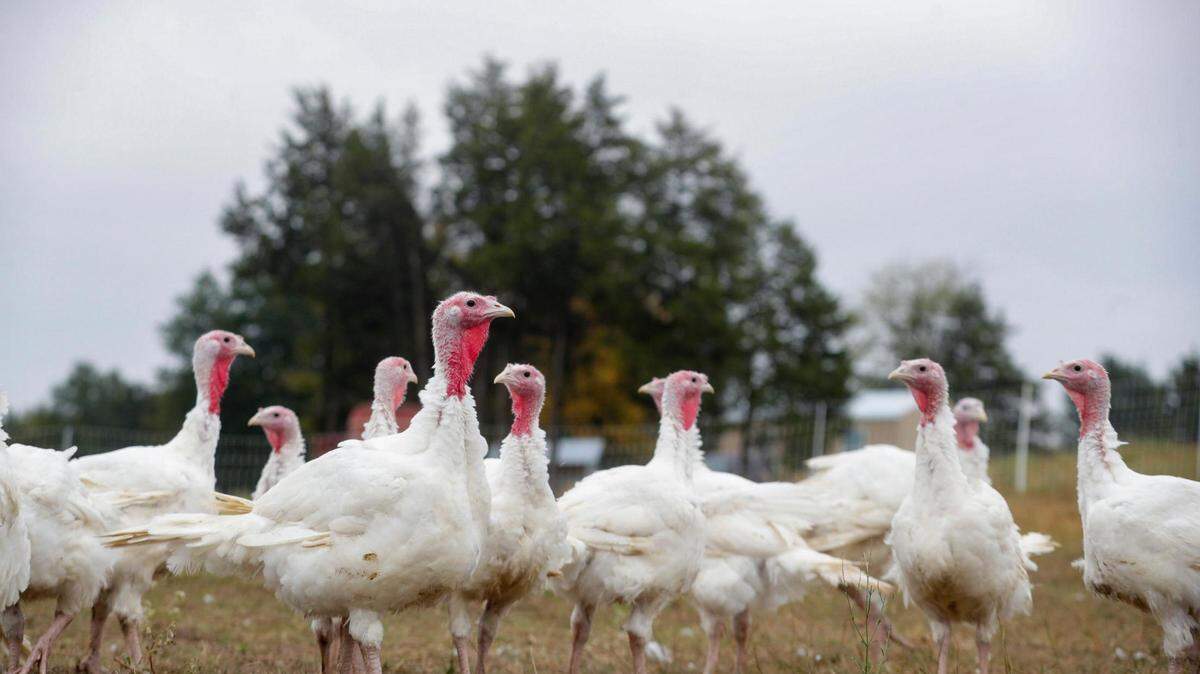
At Narrow Way Farms, the turkeys know when it’s time to chow.
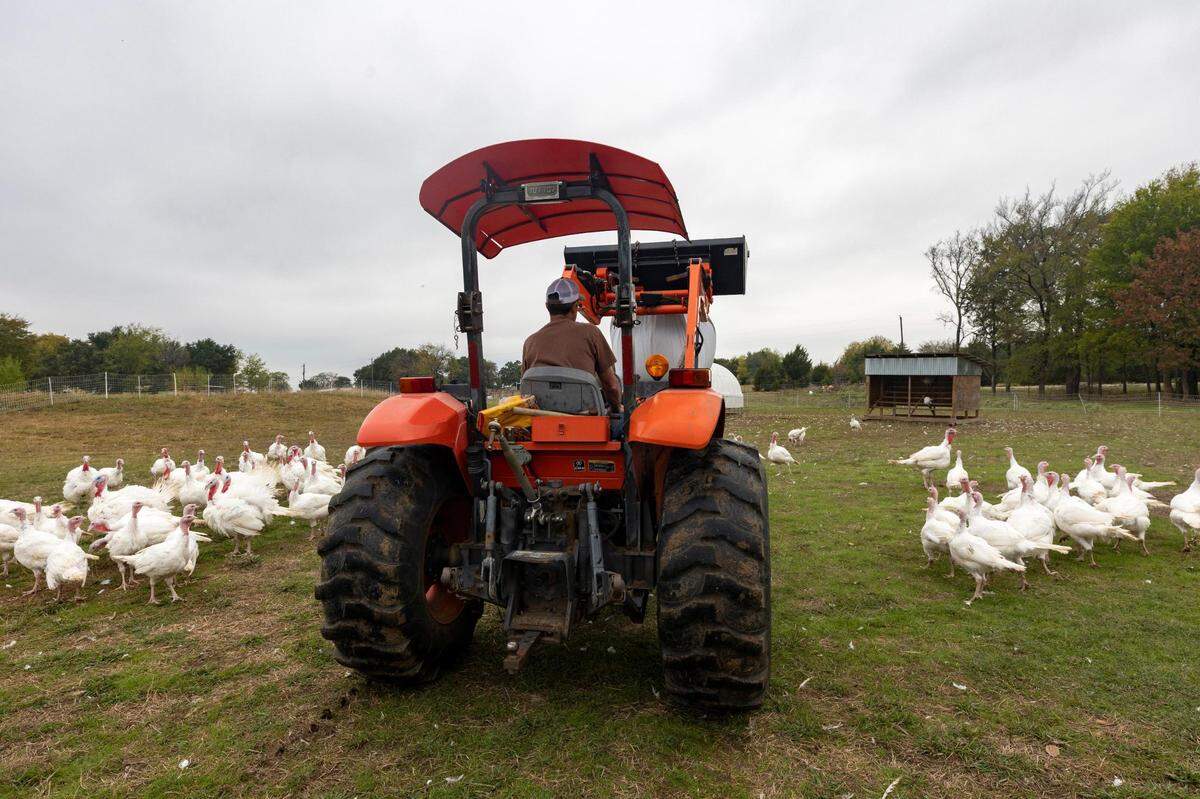
The 140 broad breasted whites — your typical Butterball variety — start bounding toward the fence line as soon as they see Richard Greer start up his bright orange tractor with a white feed bag suspended from the bucket.
Turkeys come with their quirks. Make a high-pitched noise and they’ll respond to you, their chirps turning into loud gobbles. While they’re known to be smart, turkeys are birds that sometimes need a baby chicken tossed in with them to teach them how to eat and drink.
While sturdy at the end, they’re fragile at the start.
And avian flu has been especially harsh to turkeys this year. The USDA said 7.4 million turkeys have died of the disease since March — not nearly enough to decimate your Thanksgiving dinner, but maybe enough to create a bigger dent in your pocket. Turkey prices have soared as a result of the disease, and are now up 73%.
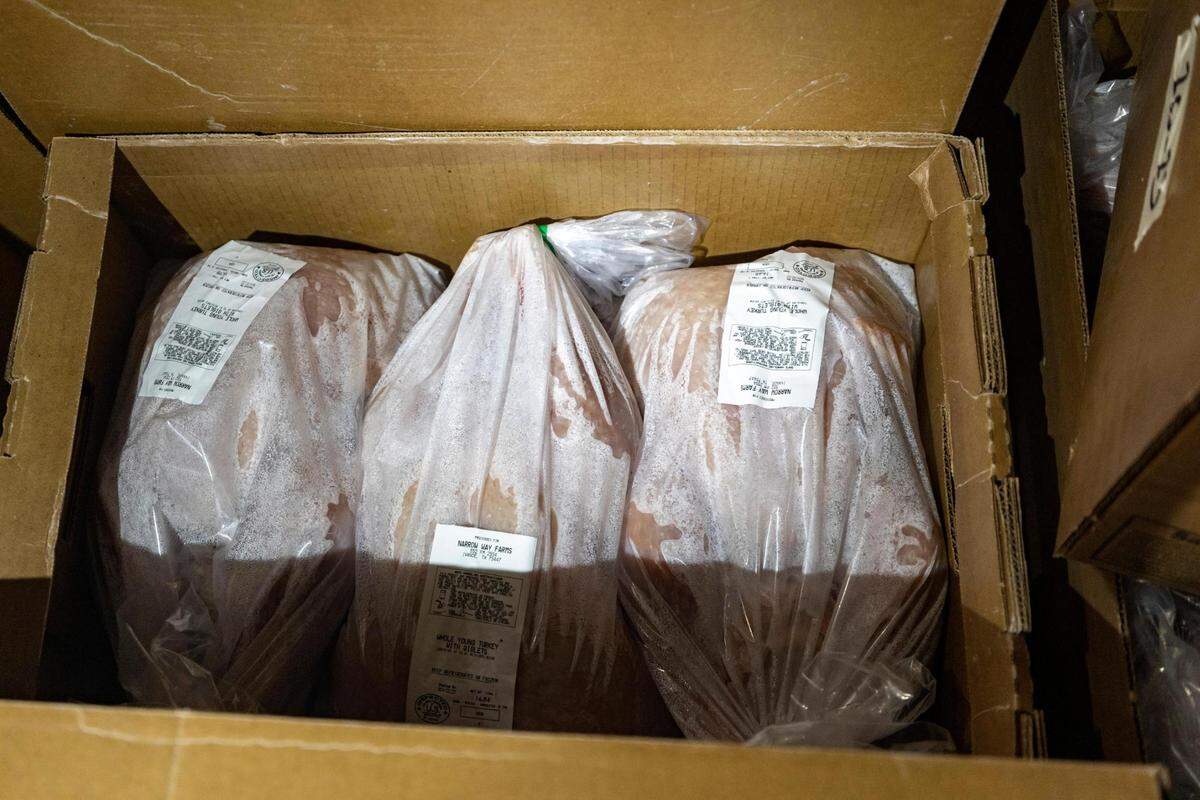
The Greer family knows their farm isn’t immune to tragedy. But even after a terrible year for poultry, most of the turkeys the Greers started with are still out pecking around in their enclosure mere miles from the Oklahoma border — except the ones that are processed and sitting in the freezer just a few yards away.
And other pasture growers around Texas have escaped this year’s Thanksgiving turkey season unscathed too.
To them, it boils down to immunity.
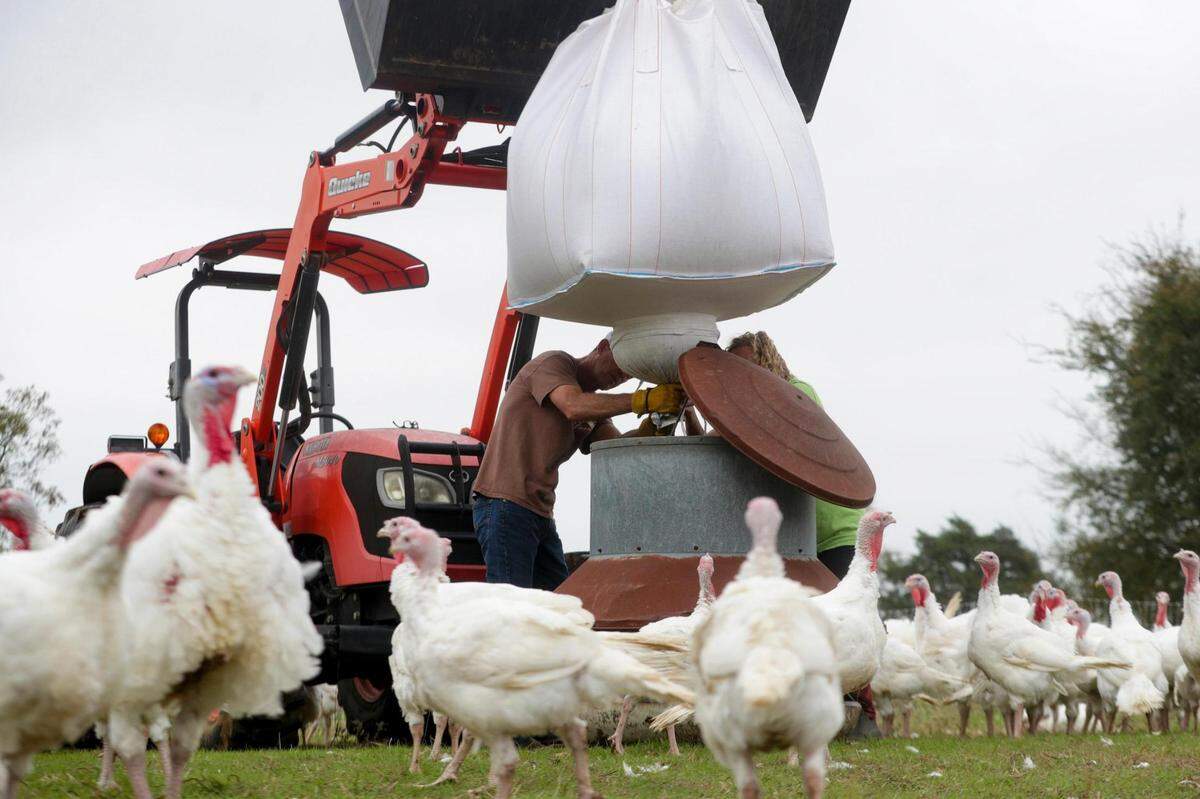
“What we don’t have to deal with as far as sickness of animals is, is I think a pure byproduct of being you know, out on pasture and moving and being able to access good fresh grass, being in the sunshine and fresh air,” Greer said. “I don’t think there’s any substitute.”
Science of the bird flu
Poultry farming is nearing an all-time crisis.
In 2015 when the avian flu was at its worst, 50 million poultry birds died nationwide, said Gino Lorenzoni, assistant professor of poultry science and avian health at Penn State. This year, the number is around 47 million.
The disease, spread when a bird with an avian flu infection enters or defecates into an enclosure with other birds, has acted differently this year. Usually spread slows in the summer when the heat weakens the virus. This year, Lorenzoni said, the virus has persisted with the same veracity through the summer, seemingly immune to the heat.
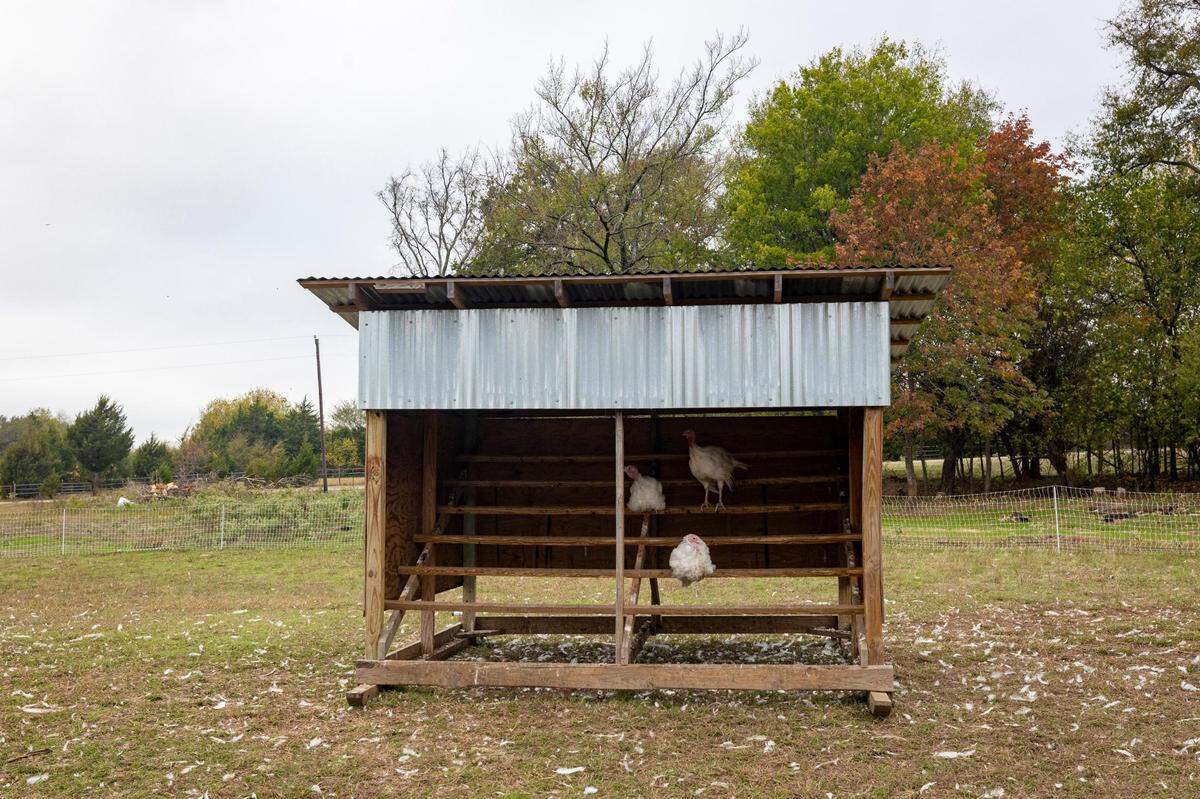
One would think that increased access to the birds that cause the flu, such as vultures, geese and ducks, there would be more instances of bird flu. But the style of raising reaps benefits for immunity, some Texas growers say.
Demand for local birds
The Greer family started farming around 10 years ago. What started as a retirement gig for Greer became a full-on business when the COVID-19 pandemic hit and the food supply was low. People flocked to local farms to fill the hole, and families like the Greers were able to reap the benefits.
Narrow Way Farms added turkeys to the mix about four years ago, and with the bird flu going around, more people have started to call with interest in their turkeys. The farm is sold out, and the birds sell for $100 to $150.
Jerica Cadman stepped into farming for health reasons. Her husband developed an autoimmune disorder 20 years ago that came with few answers from doctors as to how to prevent flare ups.
So the family turned to food. It turned out to be the cure they needed.
Cadman’s husband was able to wean himself off medicine after three years of eating pasture raised food. Their farm, Shady Grove Ranch in Jefferson, has had a heart for serving people struggling with disease.
This year, Shady Grove raised only 80 turkeys, which was all they could get their hands on. Last year, they grew 350.
The small farm knows their goods are hard to get a hold of. They don’t sell in big-time grocery stores and most people would have to go out of their way to buy from Shady Grove. Food trends, competitive prices and lack of products in stores have driven traffic to their farm.
“We’ve seen grocery store egg prices recently and it’s like they’re getting up like where our prices, and there’s nothing special about these eggs,” Cadman said.
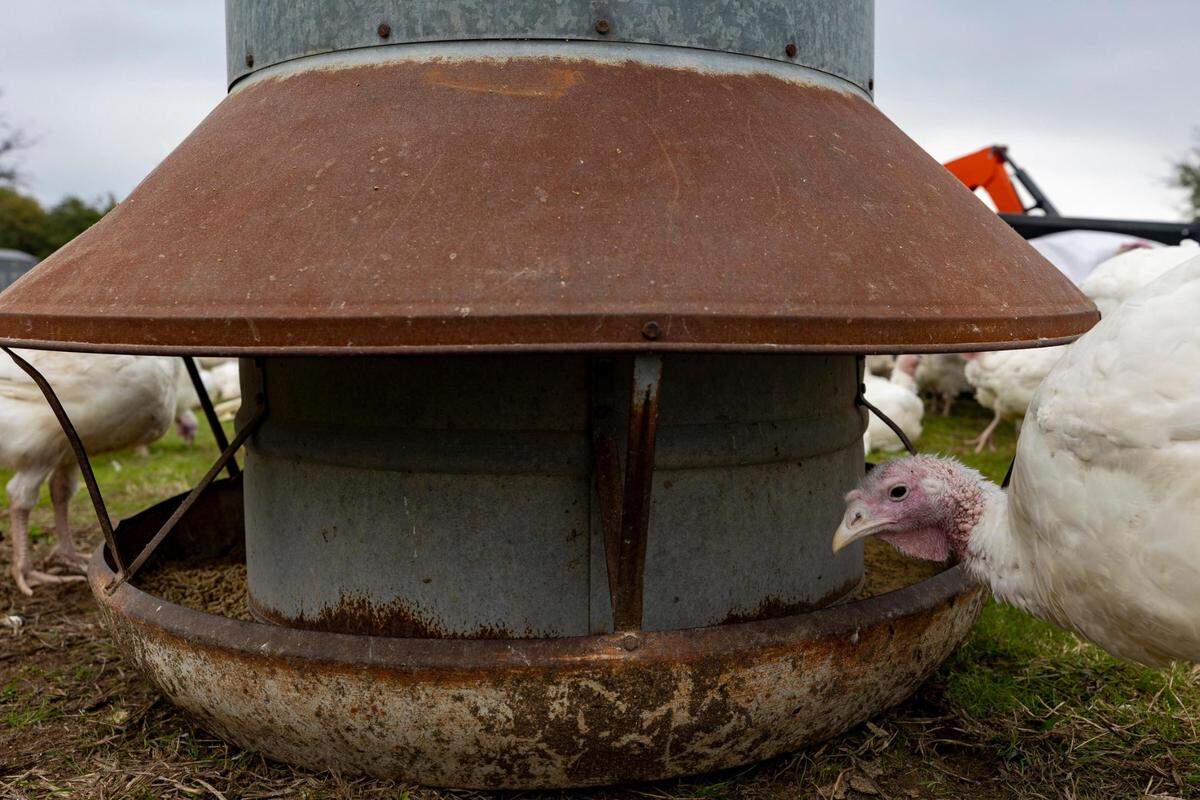
There are benefits that come with putting the birds out to pasture with the sunshine and fresh air.
“If you were to take a bunch of people and lock them in a dark house with no air circulation, you know, like, they’re going to be unhealthy,” Cadman said.
Stout Creek Ranch in Saltillo is in its fourth year of raising heritage breed turkeys, which look more like a traditional Thanksgiving turkey you would see on TV with the brown and black feathers. This year, the farm raised only 50 birds due to economic reasons, said Brent Barry, who owns the operation.
Barry cycles the turkeys around his property to new land every day. A virus killed some birds, but Barry isn’t sure what it was. If it were avian flu, Barry thinks there would have been more damage, but they didn’t have the birds tested.
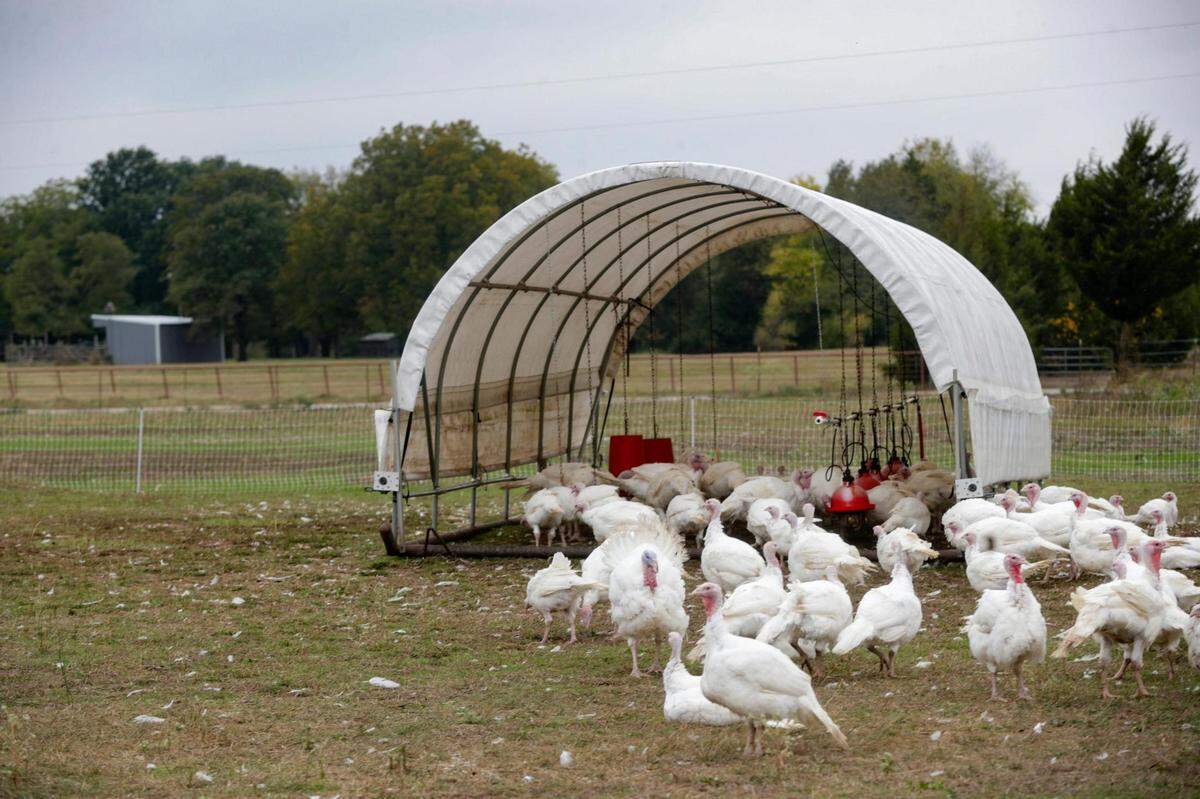
Turkeys from Stout Creek run about $11 a pound. They sold out all 150 of their turkeys last year, and are on the road to selling out all their turkeys this year too.
To Barry, turkeys are a joy to raise. One time Barry had his headphones in and was listening to “Hey Jude” by The Beatles as he worked with the birds. As he sang along to Paul McCartney’s high-pitched outro, the turkeys sang back to him in a choir of gobbles.
Financial impacts
To raise a turkey for Thanksgiving dinner is something that comes with pressure.
When buyers start putting their deposits down for a Thanksgiving turkey come July at Narrow Way Farms, it’s essentially the Greer family’s job to build them the centerpiece for that year’s meal.
But to Barry at Stout Creek, there’s a hint of honor there too — having someone pick your farm for a Thanksgiving turkey is not something he takes lightly.
“I don’t want to mess up somebody’s Thanksgiving dinner,” he said.
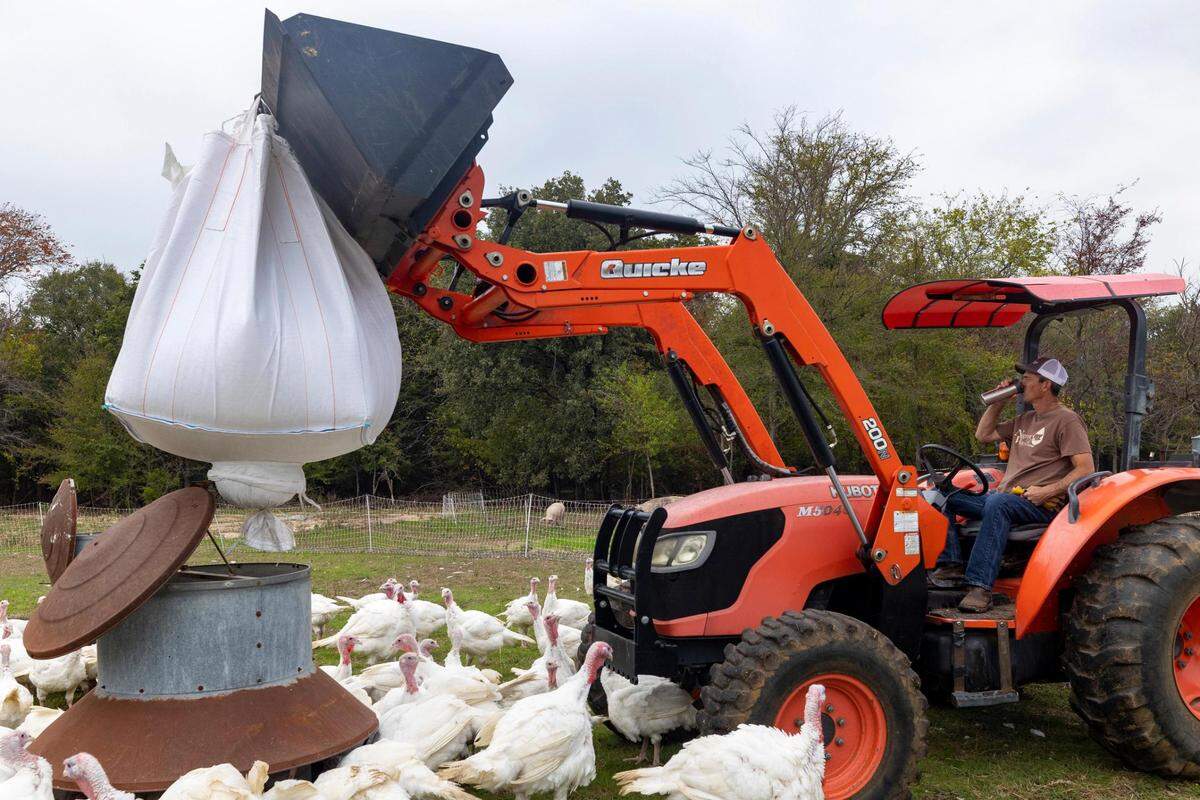
For these three Texas farmers, turkeys aren’t the main source of income, which would have saved them some if avian flu had swept their flocks.
Had bird flu swept through Stout Creek, it would’ve hurt their pockets, but since the farm offers so many products, Barry said it wouldn’t have been as devastating as if the farm only relied on their turkey cash.
At Narrow Way Farm, an avian flu outbreak would have devastated the family. Turkeys are one of the last animals the Greers process before heading into the slow winter season that has always been about preparing for the spring.
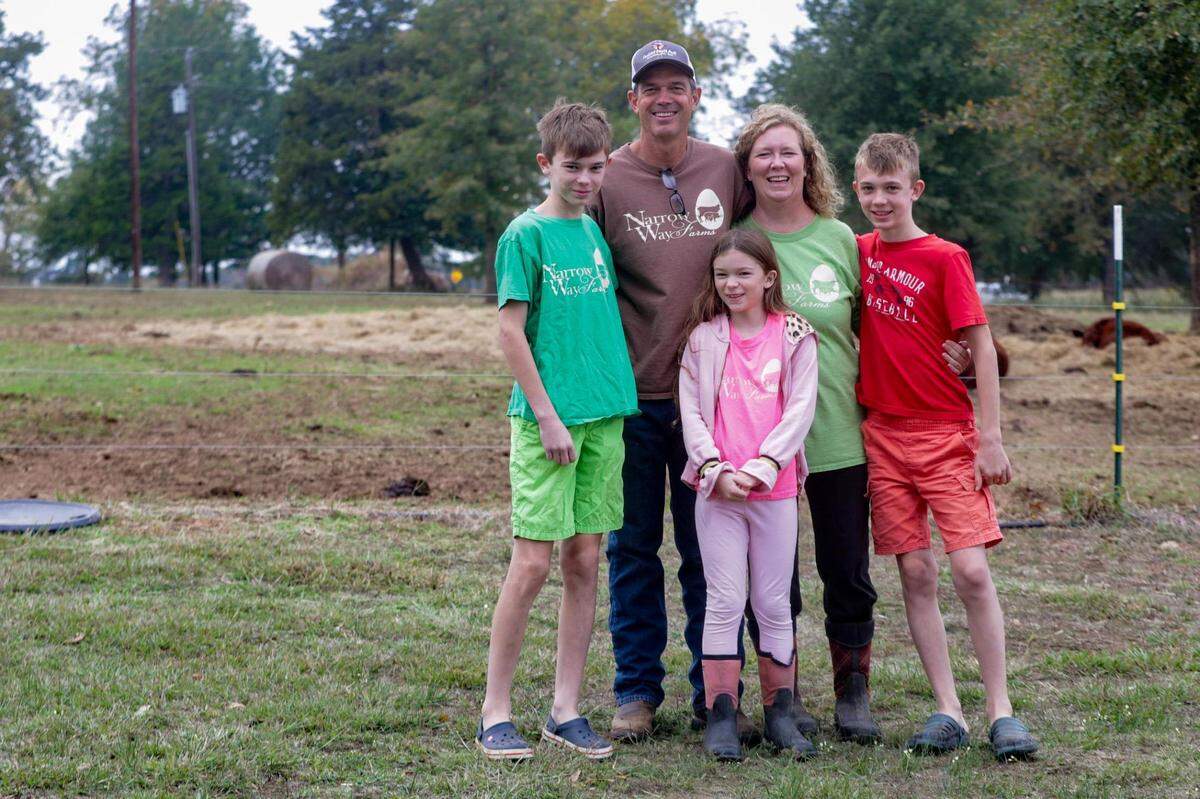
Not only would the family have lost the money that would have come from the turkeys, but the cash it cost to raise the bird.
But even with the industry woes this year, all’s well at Narrow Way Farms, at least for now. As Greer pulls his tractor away from the enclosure, a vulture circles nearby.
This story was originally published November 18, 2022 at 5:50 AM.