Department of Justice asks court to freeze enforcement of Texas’ abortion law
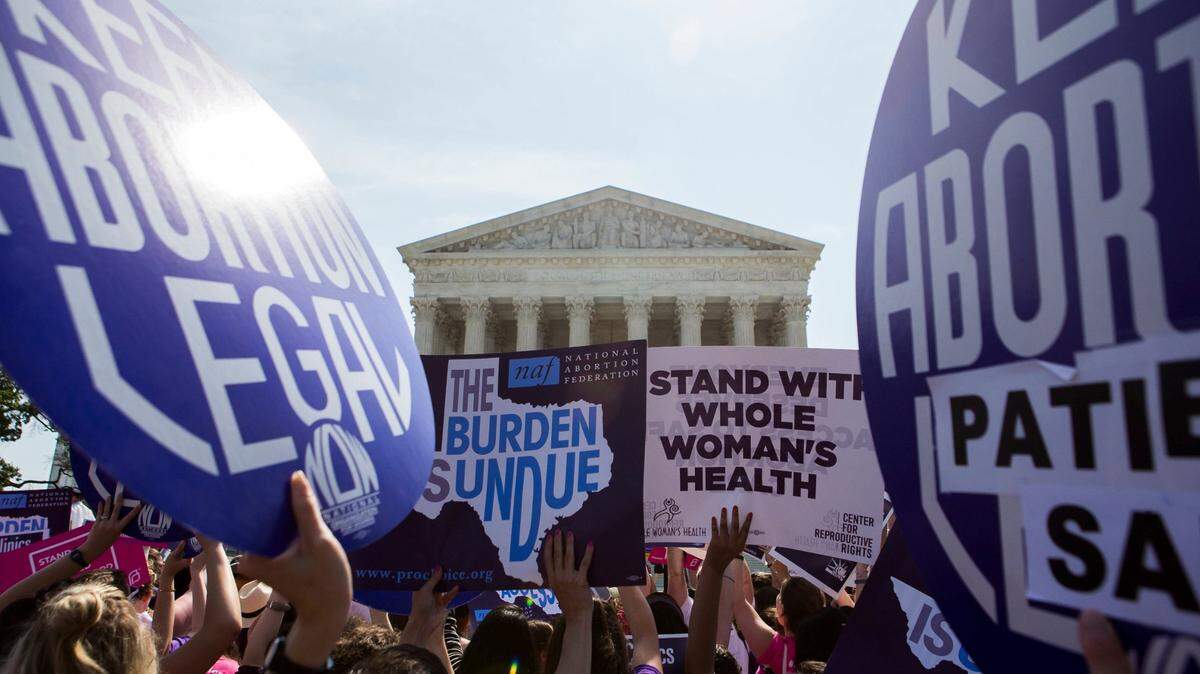
The United States Justice Department filed a motion Tuesday night that seeks to freeze Texas’ fetal heartbeat law from being enforced.
The Department of Justice filed a request for a temporary injunction or restraining order in the Western District of Texas in Austin at about 9:30 p.m. on Tuesday. The 47-page filing argues that Senate Bill 8, which bans abortions after six weeks of pregnancy, is unconstitutional primarily because Texas “banned abortions months before viability — at a time before many women even know they are pregnant.”
By effectively banning abortions, the DOJ says, Texas is in direct conflict with the Supreme Court’s decision nearly 50 years ago in Roe v. Wade, which found the Constitution protects “a woman’s decision whether or not to terminate her pregnancy.”
“This relief is necessary to protect the constitutional rights of women in Texas and the sovereign interest of the United States in ensuring that its States respect the terms of the national compact,” the motion says. “It is also necessary to protect federal agencies, employees, and contractors whose lawful actions S.B. 8 purports to prohibit.”
The motion asks that the court freeze enforcement of the law, which occurs through the unusual method of allowing anyone to bring a civil suit against anyone who helps — or intends to help — a pregnant person seek an abortion in Texas. The motion lambastes this method of enforcement, saying the law is written and implemented in a way that prevents people from challenging it in court.
“Normally, a statute that so successfully stripped a state’s citizens of their constitutional rights would fall victim to a slew of pre-enforcement challenges,” the motion says. “But Texas has sought to save S.B. 8 from that fate by washing its hands of responsibility for enforcing the law.... As outlined below, the State’s brazen gambit has thus far paid off.”
S.B. 8 bans abortions after an embryo’s cardiac activity can be detected, which typically occurs after about six weeks. The law went into effect in Texas on Sept. 1. The Supreme Court and a federal appeals court declined to rule on emergency requests from various abortion groups to halt the law from going into effect. On Sept. 9, the DOJ filed a lawsuit against Texas to try and prevent the enforcement of S.B. 8.
The law makes an exception for terminating pregnancies that would cause “substantial and irreversible impairment of a major bodily function.” It does not make exceptions based on a pregnancy being caused by rape, sexual abuse, or incest.
“... By delegating enforcement authority to private bounty hunters,” the motion says, “the statute ensures that the only way providers may challenge the constitutionality of S.B. 8 is by performing abortions prohibited by the law and risking ruinous penalties — a prospect that has succeeded in its intended goal of chilling the prohibited activity altogether.”
President Joe Biden said in a statement on Sept. 2 that Texas’ abortion law “unleashes unconstitutional chaos and empowers self-anointed enforcers to have devastating impacts.”
Texas Right to Life Vice President Elizabeth Graham responded to the motion in a statement Wednesday.
“Texas Right to Life is not surprised by the Biden administration’s desperate move to stop the Texas Heartbeat Act from saving lives by any means necessary and as quickly as possible,” Graham said in the statement. “We expect an impartial court to declare the DOJ’s lawsuit invalid.”
This story was originally published September 14, 2021 at 11:04 PM.