
Winter storm killed at least 3.8 million fish on Texas coast. Can population return?
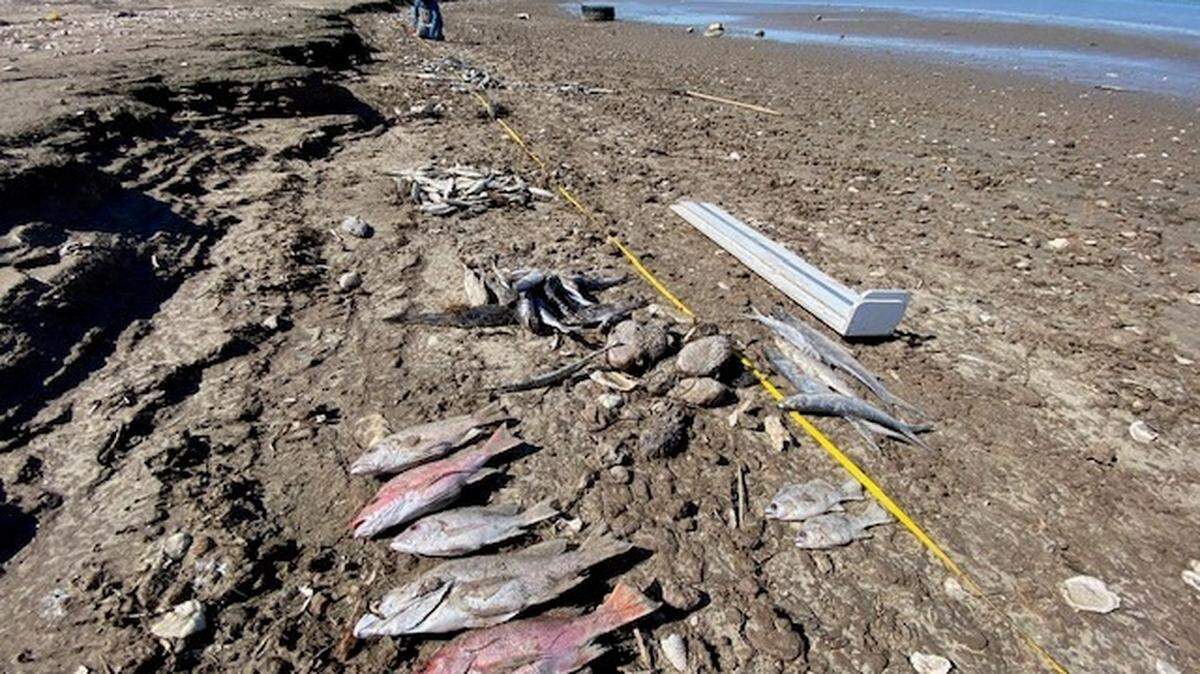
Millions of fish off the Texas coast died after the winter storm in February, officials say.
Texas Parks and Wildlife biologists estimate at least 3.8 million fish consisting of 61 species were killed by the cold weather. Not since the 1980s have so many fish died due to freezing temperatures in the state, officials say.
About 91% of the fish killed were non-recreational species, officials say.
“While not sought after by most anglers, non-game fish are ecologically important, providing food for larger game fish as well as adding to the overall diversity of Texas bays,” officials said in a Wednesday news release.
For recreational fish, spotted seatrout were hit worst, accounting for about half the deaths among game species, officials say.
The fish kill was larger than any event since the 1980s, when a combined 32 million died during three freeze events, officials say. Here’s a look at those events:
- December 1983: 14.4 million fish kill across entire coast.
- February 1989: 11.3 million fish killed from East Matagorda Bay to Lower Laguna Madre.
- December 1989: 6.2 million fish killed across entire coast.
“While some areas of the coast and some species of fish were clearly impacted more than others, overall this is the worst freeze related coastal fish kill we have experienced since the 1980s,” Texas Parks and Wildlife Department Executive Director Carter Smith said in the news release.
Wildlife officials say the fishery could recover in relatively short time as the population did in the 1980s.
“Using history as a guide, we believe our fishery has the potential to bounce back fairly quickly as it did after the 1980s freeze event,” Robin Riechers, Coastal Fisheries Division Director, said in the news release. “Based on our long-term monitoring, we saw the recovery in terms of numbers of spotted seatrout bounce back in approximately two to three years. This does not mean the fish size and age structure were the same as pre-freeze but the overall numbers did return in that timeframe.”
The wildlife department is encouraging anglers to catch and release or harvest only fish they need to eat.
Meanwhile, officials expect to rebuild the populations through hatcheries and evaluate whether regulatory changes are necessary to speed recovery.