
Are ‘kissing bugs’ linked to infectious disease? Texas city warns of insects
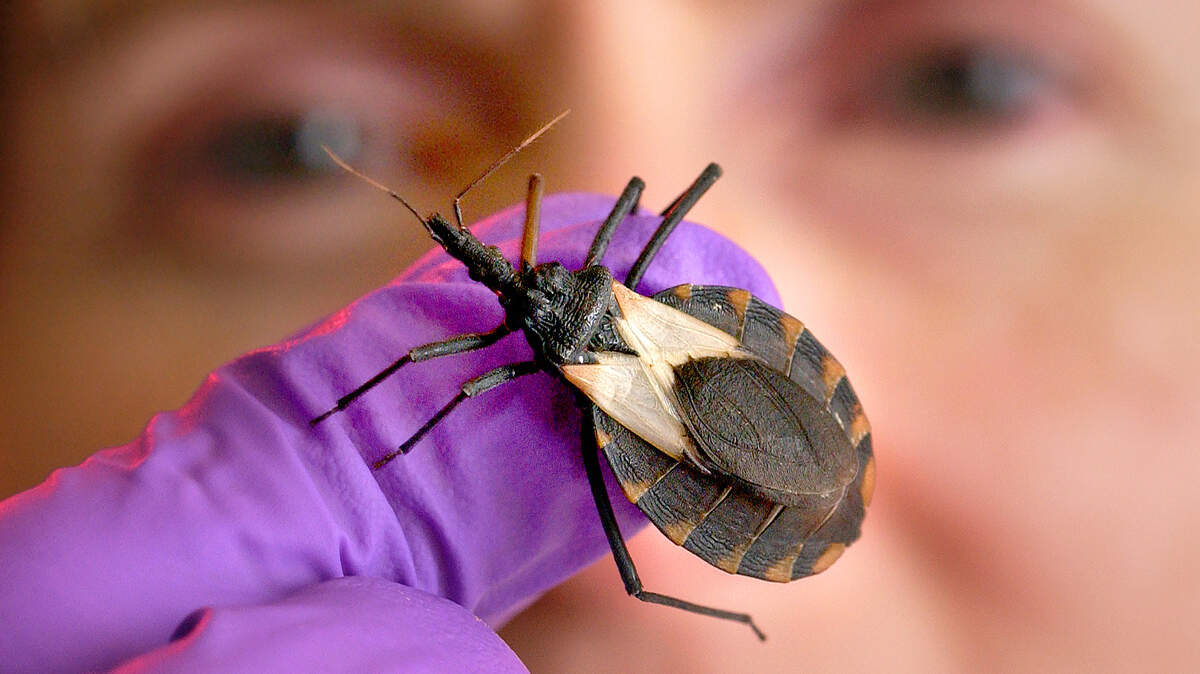
While its nickname might fall on the adorable side, the triatomine insect known as the “kissing bug” is anything but – especially in the Texas city of Wichita Falls. According to a news release, the beetle-looking bug has been collected and tested positive for Trypanosoma cruzi, which causes Chagas disease.
While Chagas disease, an inflammatory, infectious disease normally carried by parasites found in the feces of the triatomine bug, is common in South America, Central America and Mexico according to the Mayo Clinic, it’s been reported to be present in Wichita Falls. The city is telling residents to avoid contact if seeing this particular bug.
“Kissing bugs are a blood feeding type of insect commonly found throughout the Southern United States. Though not new to the area, a recorded presence of Chagas disease in Wichita County is rare,” a news elease says.
Residents are being advised not to open windows that do not have covers or screens, especially in the evening due to the bugs being winged and attracted to light. Also, if you do come across the insect, don’t attempt to handle it without wearing protection like gloves.
“Untreated Chagas disease is a lifelong infection. Chagas has two phases, an acute and a chronic,” the release said.
“The acute phase may be mild or asymptomatic with the primary issue being swelling at or near the bite,” the release states. “Most people then enter a prolonged asymptomatic form of the disease where few or no parasites can be found in the blood.
“Many people are never aware of their infection; however, 20-30% of infected people may develop severe medical problems over the course of their life such as heart rhythm abnormalities, a dilated heart which doesn’t pump well, or a dilated esophagus or colon which can cause eating difficulties or difficulties passing stool. Like many diseases, Chagas disease is most dangerous to those with suppressed immune systems.”
Texas residents can send “bugs implicated in a human exposure” to the state Department of State Health Services for testing.
This story was originally published October 26, 2020 at 6:18 PM.