Fort Worth workers struggle to navigate a ‘scary, unknown’ coronavirus economy
Brian Golden’s job is safe for now, but he worries about what lies ahead.
“It’s going to be a bad winter for a lot more people,” said Golden, 53, an aircraft mechanic at Fort Worth-based American Airlines. The company has announced plans to cut about 5,000 management and support staff jobs as it slashes costs to avoid bankruptcy.
The COVID-19 pandemic is battering the Fort Worth-area economy in thousands of ways, and Golden’s experience in the hard-hit aviation sector — which happens to be the North Texas region’s largest employer — is just one example.
Dallas-Fort Worth has already lost 340,800 jobs since February, according to the U.S. Bureau of Labor Statistics. That figure includes a steep increase in North Texas unemployment claims in March and April, although unemployment rebounded in May with 1,600 fewer claims.
But the numbers only tell part of the story.
To understand more about how COVID-19 is affecting the Fort Worth-area economy, the Star-Telegram asked people from some of the job sectors hit hardest by the downturn to share their stories. The people we interviewed give personal glimpses into the effects of COVID-19 on industries such as oil, ranching, health care, restaurants and retail.
Although their backgrounds are varied, many have shared concerns — including their ability to make ends meet financially, and the health of their loved ones.
“The workload hasn’t changed from our company, or the kids’ school. It just all has to happen intermixed and intermingled now,” said Cye Cooper Wagner, a petroleum engineer and co-owner of her family’s Cooper Oil & Gas Inc.
Wagner and her husband Kyle are guiding her family’s second-generation company through historically tough times for the oil and gas industry, while also caring for their 7-year-old daughter, Davis, and 4-year-old son, Conrad.
“Twenty-four hours in a day doesn’t seem to be enough any longer, and our threshold for the definition of ‘busy’ or ‘swamped’ has changed dramatically,” she said.
Many Tarrant County businesses have reopened, and there are indications that the economy is bouncing back.
But concerns are mounting that Texas reopened too quickly, allowing COVID-19 to spread in a way that some residents worry could spin out of control.
Count physician Gregory Phillips among those with growing concerns. As the economy began to reopen in June and the number of cases started to rise, Phillips said his patients began to call inquiring about COVID-19 testing. They voiced concern they had been sick at some point and didn’t know if they had contracted coronavirus, or had been in contact with someone who had it, he said.
“Some patients are getting distressed, frayed around the edges,” he said, adding that the novelty of the virus was wearing off. “In the beginning it was random, but now it seems everyone knows somebody who got sick.”
More than 120,000 hospitality and leisure workers in Dallas-Fort Worth were unemployed in May, according to preliminary figures from the Bureau of Labor Statistics.
The number of people hospitalized in Texas has reached record levels during the past two weeks, and some business owners worry that they may have to shut down again.
Kaye Wade hasn’t yet reopened her Arlington salon because many of her customers aren’t ready to come back. Half want the salon to reopen and half are afraid to visit the business, she said.
She’s also not sure what to do with her 10-year-old son. She can’t take him to the salon because of social distancing rules. Even as day cares and summer camps began to reopen, she said the high number of cases made her nervous.
“Do I got to work and bring this virus home to my son, or myself?” she wondered. “I have to be here for him.”
Wade has received a minimal amount of state unemployment benefits, and has used her savings to pay bills.
“Everything about this situation is scary, unknown, and very uncomfortable,” she said.
Below is a deeper look at how some Fort Worth-area residents coping with the COVID-19 economy, based on a questionnaire from the Star-Telegram. Their responses have been edited for length and clarity.
Cye Cooper Wagner
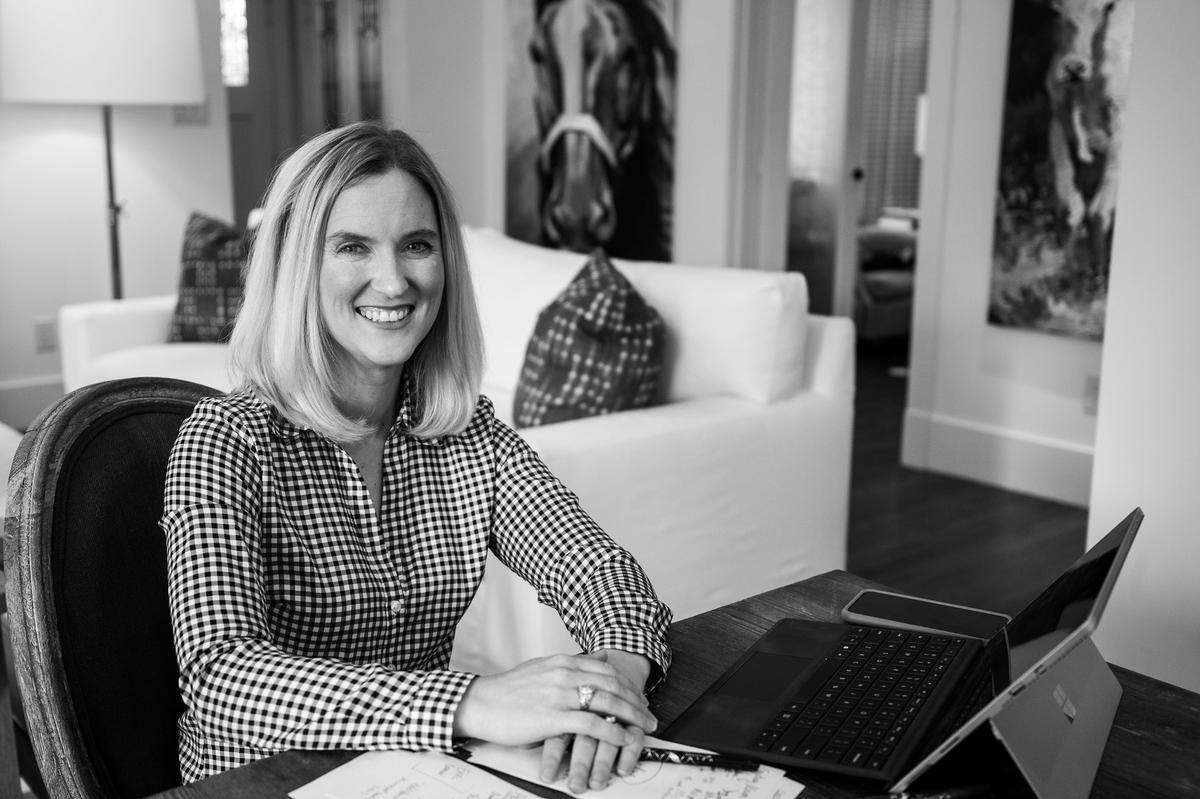
Age: 34
City of residence: Fort Worth
Family: Husband, Kyle; daughter, Davis, 7; son, Conrad, 4
How long have you lived in the Fort Worth area? 12 years
Occupation and place of work: Petroleum engineer, exploration manager, Cooper Oil & Gas, Inc. (Also chair of the Texas Alliance of Energy Producers)
How long have you been with your employer? 10.5 years
What is your biggest concern, what keeps you up at night, today? Our family’s health and safety. Our daughter had to have some procedures at Cook Children’s and the family had to weigh what that risk looked like considering the COVID-19 issues. As I was voted in as chairman of the alliance, I am focused on how to best support our members during an unprecedented time in the energy industry. I am also concerned with how to shelter and usher Cooper Oil & Gas, our second-generation business, through this time and remain a viable exploration and production company, and the impossibly tough decisions to lay employees off for the first time in 40 years of business.
From your perspective, what is the outlook for the future of your job/industry? It will be a long road of recovery for our industry. There have been thousands and thousands of jobs lost in oil and gas. It will take months, maybe even years for all facets to recover. The industry is cyclical, and has been through many rough times and downturns. But this is unprecedented, and no oil and gas centric business will come through this time unscathed.
Where do you think things will be six months from now? The industry as a whole worries about a second coming of shutdowns. Another price collapse from wherever the market recovers to is very possible. One thing is for certain, I would never give up on the ingenuity and hard work that characterizes the men and women working in the Texas oil and gas industry. Tough times don’t last, tough people do — my family, our business, and this industry are some of the toughest out there.
Horalia Palomino
Age: 59
City of residence: River Oaks
Family: Daughter, Nora Palomino; son, Benny Salazar; 9 grandchildren
How long have you lived in the Fort Worth area? 40 years
Occupation and place of work: Owner, Los Zarapes Restaurant
How long have you been with your employer? 35 years
Describe how the coronavirus has affected you and your family? I prefer to keep away from my grandchildren for fear that I could get them sick. It’s been very sad to have missed the youngest grandbaby’s first birthday. So missing special occasions has been very difficult. I’m very close to the babies. The restaurant had a major loss of profit — a lot of families live from what we earn at the restaurant.
Did you apply for and receive government aid? Explain the experience. I am the restaurant owner and, no, I did not apply for government aid. I know we need it, but there are small businesses such as my own who need those funds to pay their rent. I own my building and that has helped me stay afloat on most days, but not all.
Marvin Hunt
Age: 35
City of residence: Hurst
Family: Son, 8
How long have you lived in the Fort Worth area? 5 years
Occupation and place of work: Driver, Alto ride-hailing service
How long have you been with your employer? 18 months
Have you or a loved one tested positive? Describe the experience. I had a childhood friend who passed of it. He was fighting obesity and going through an aneurysm. He decided to go to New Orleans for Mardi Gras, and contracted it.
Describe a typical work day before the crisis and one right now. We’re expanding in Fort Worth, so we’re busy. It used to be just giving people rides, but now there is a lot more food delivery. Alto has a real strict cleaning process for COVID. We wear masks, and when a customer is in the car we wear gloves. For food delivery, we change our gloves for every delivery. We can drop food off with no customer contact whatsoever. We drop the food off, take pictures of the items and a good picture of the location and let the customer know you dropped it off at the right location.
Steve Steward
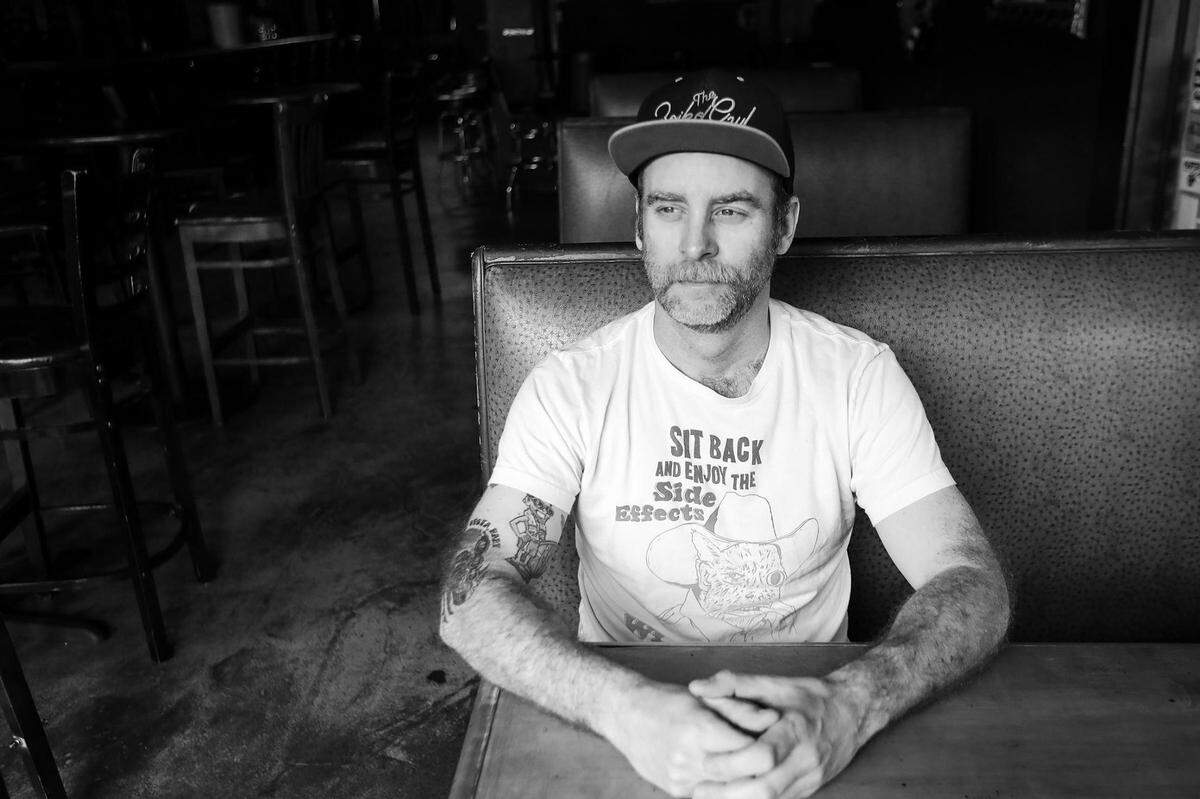
Age: 41
City of residence: Fort Worth
Family: Single
How long have you lived in the Fort Worth area? 20 years
Occupation and place of work: Bartender, Boiled Owl Tavern; part-owner, Tarantula Tiki Lounge
How long have you been with your employer? Eight years
How are you dealing with paying bills, food and other necessities? I had some savings, and I took out a bank loan to cover a few months of bills the week before the bars first closed. I have been fortunate to receive a few grants from local fundraising drives, and my parents have helped when they can. The Boiled Owl’s customers have been incredibly generous and our staff has been able to share tips donated to the bar’s Venmo account. I am also receiving unemployment benefits. About a week after bars reopened, I went back to the Boiled Owl, and Tarantula Tiki Lounge opened May 16. (Gov. Greg Abbott first closed bars May 26). That was rough, we had a brand new bar we had to shut down after 10 days. So now I’m back to filing for unemployment. I think if we would have just stayed closed through June, we would be in a whole different situation. It’s frustrating to go back and forth like this. (Gov. Greg Abbot closed bars again on June 26).
Have your spending habits changed? I used to eat at restaurants all the time. Now I spend that money on dish-washing detergent, it seems.
What are your thoughts on reopening the economy? I am not in favor of it. I understand that many people are facing financial ruin or may have a business on the brink of going under. Those concerns are as valid as they are terrifying. But my unpopular opinion is that if the government is as friendly to small businesses as it purports to be, it would do more the keep the businesses afloat so that a quarantine could be utilized for a more impactful duration. More people out and about means more opportunities to spread the virus. I do not want to get sick. Not even a little bit. But I will go to work when my employers want us to go to work.
Kaye Wade
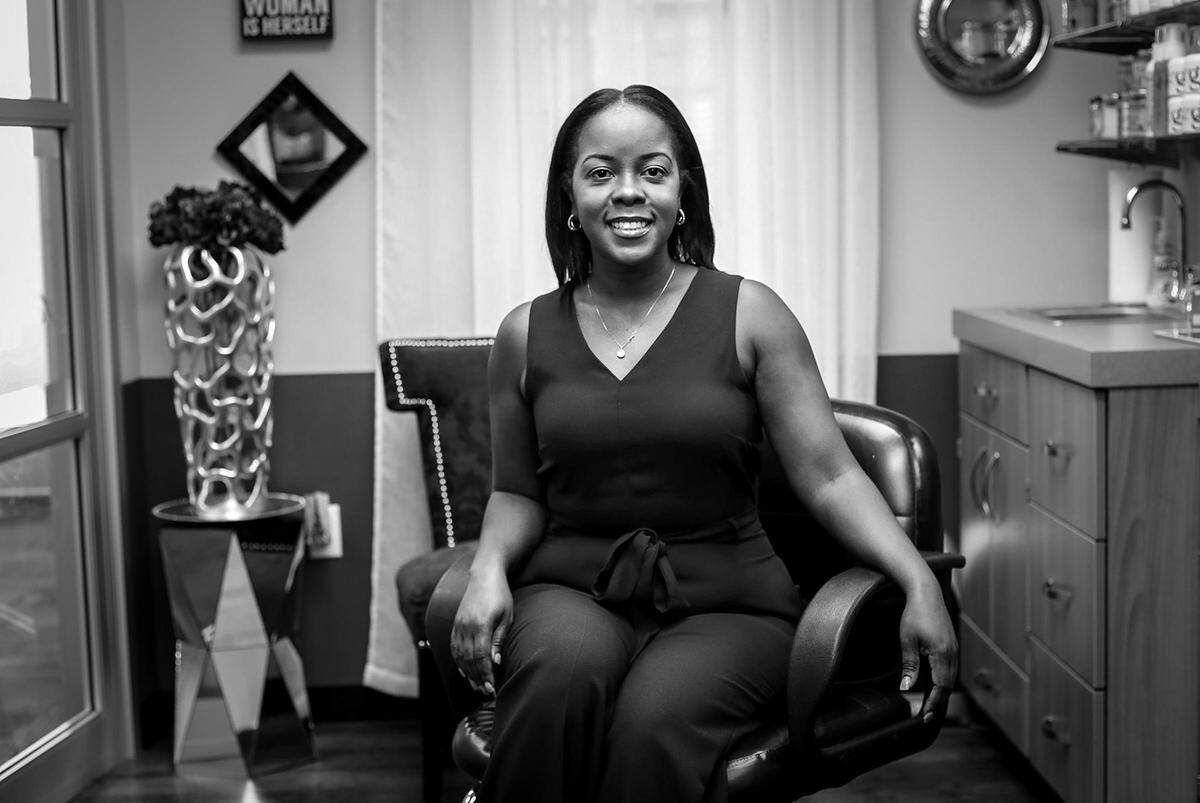
Age: 38
City of residence: Arlington
Family: Single, one son
How long have you lived in the Fort Worth area? Since birth
Occupation and place of work: Cosmetologist at Lady Hairroin Glam Boutique
How long have you been with your employer? Six years
What is your biggest concern, what keeps you up at night, today? My biggest concern today is how to re-brand my business to stand out in the new normal. Will my clients come back soon? Will I be able to pick up where I left off? Now I’m trying figure out how to gain an additional stream of income outside of the salon.
How are you dealing with paying bills, food and other necessities? I’m receiving unemployment. It took about six weeks to receive the first payment. I have to budget it down to the penny. I’m managing.
Do you have emergency savings, and have you had to tap into it? In the beginning I survived on savings and credit. This has taught me a valuable lesson in budgeting and sticking with it. Moving forward I will be more disciplined.
Chase Brooks
Age: 28
City of residence: Haltom City
Family: Single
How long have you lived in the Fort Worth area? Since birth
Occupation and place of work: I was working at WoofGang Bakery & Grooming in North Richland Hills, but with COVID-19, the shop had to close. When that happened, I had already had a handful of side clients, and I had to start working on my own, within the guidelines of the executive orders.
What was your biggest concern, what kept you up at night, in January? I wasn’t too concerned yet, like many other people. I had big plans for the year and a very well-planned timeline in place. I had started to save in November to purchase an RV to convert into a mobile grooming salon. So in January, my focus was on aggressively saving money for starting my own business. I bought my RV on Feb. 28. Then this happened.
What is your biggest concern, what keeps you up at night, today? I feel like I’m fighting a ticking clock. I’ve put in thousands of dollars of renovation and labor into my mobile salon, and I’m having to find clients and groom them either at my house or at their house, mainly outside. I am concerned about COVID-19. It’s something I think about every day. I have to think about if there’s another shutdown, I can’t just have no money in the bank this time. I need to get my business up and going as soon as possible, to replenish my savings and have a comfortable, safe work environment where I can continue to practice social distancing.
How are you dealing with paying bills, food and other necessities? Thankfully the owners of the shop I was working at are also my landlords, and they gave me a couple months of free rent. I completely went through my savings that I was living on. The interior of the RV is done, but I’m having issues with the engine now. I could probably get on the road and do one appointment but after one, I would probably break down. I’m trying to get those kinks worked out.
Brian Golden
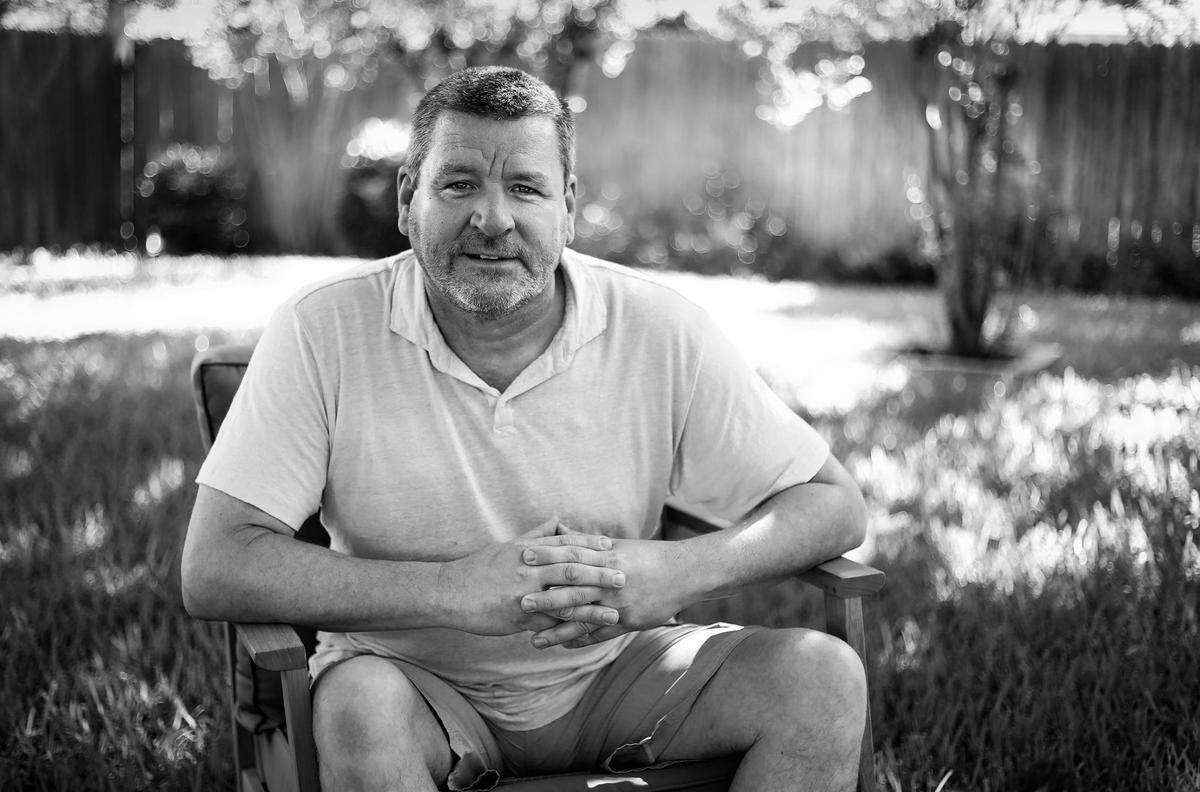
Age: 53
City of residence: Arlington
Family: Wife, Kelly; daughter, Molly, 28; son, Chad, 25; three grandchildren
How long have you lived in the Fort Worth area? 28 years
Occupation and place of work: Aircraft mechanic, American Airlines
How long have you been with your employer? 29 years
Describe a typical work day before the crisis and one right now. Before the crisis the majority of work would be repairs to aircraft — tire changes, brake changes cabin item repairs and other maintenance to keep the aircraft flying through the day. If an issue could not be addressed within a reasonable amount of time, it would be considered out of service to be repaired later. Today the work load has changed to more aircraft movement and maintenance during storage as many of American’s fleet are not flying and are parked on the ramp at DFW. My wife works for a school district and is now working from home.
How are you dealing with paying bills, food and other necessities? I am still receiving a regular hourly salary. American Airlines received funds through the bailout and so far we have not seen furloughs or layoffs but the realist in me knows this won’t last unless things change. American agreed to keep employees working to Sept. 30. I expect bad news Oct. 1.
Have your spending habits changed? I have sped up debt payoff and, of course, planned vacations, a family reunion and any talk of weekend trips are canceled.
Do you have emergency savings, and have you had to tap into it? Yes. But I have been lucky not to have to tap my savings yet.
From your perspective, what is the outlook for the future of your job/industry? I think the airlines for the most part will recover but don’t know how long it’ll take or what it’ll look like. Those that make it to the other side will be smaller and leaner. There will be fewer carriers when the dust settles. The virtual meetings and working from home will show many employers that it can be done. Corporations will cut back on business travel. I expect the large carriers will promote more leisure travel and grow their cargo operations to adapt to the changes.
Gregory Phillips
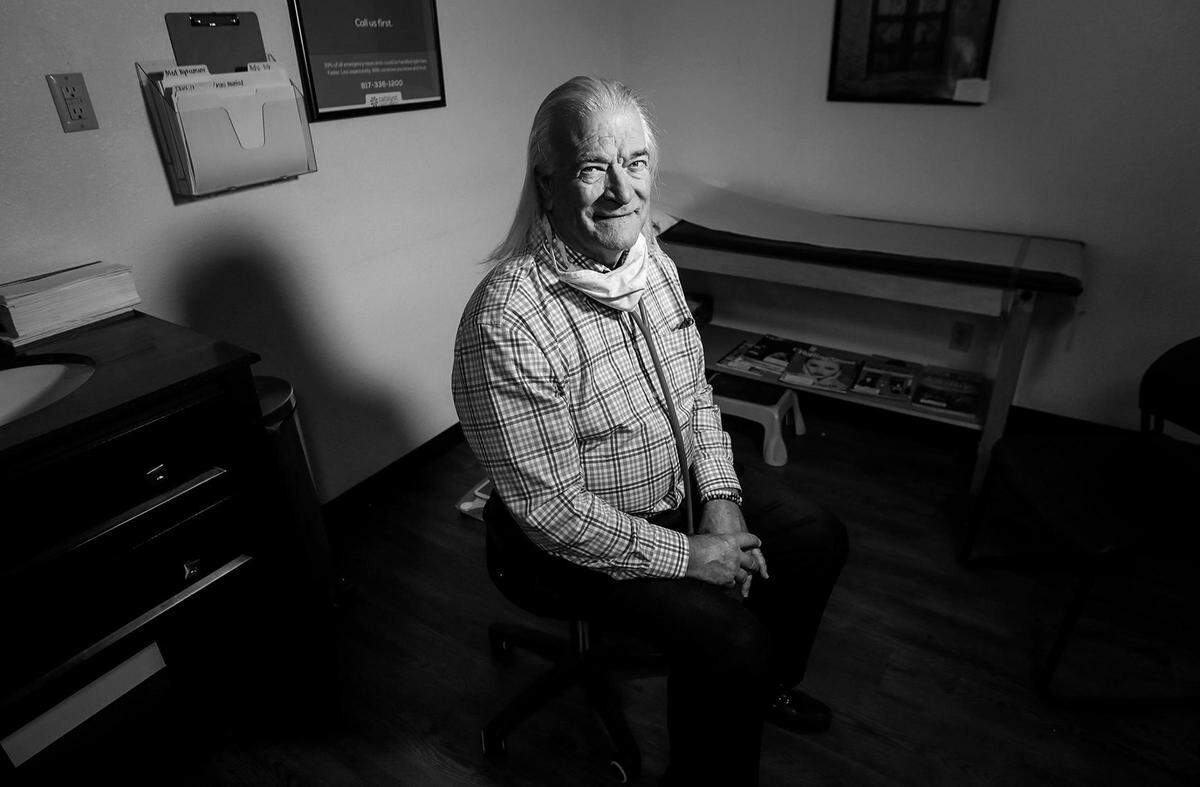
Age: 71
City of residence: Fort Worth
Family: Single
How long have you lived in the Fort Worth area? 40 years
Occupation and place of work: Physician; individual medical practice
What was your biggest concern, what kept you up at night, in January? In January, watching the news from China and not seeing a focused approach to managing the virus if/when it presented in the United States
What is your biggest concern, what keeps you up at night, today? Now, apparent “politicizing” of the pandemic resulting in individuals/government officials NOT following recommendations of medical/public health professionals, but listening to politicians and TV/internet pundits instead could at least extend the length of time we are dealing with the current epidemic and might actually result in resurgence in active cases.
Describe a typical work day before the crisis and one right now. I would go to the hospital to see patients then work in my office, usually from 7 a.m. to 6 p.m. The hospital has not been as busy during the epidemic, so less time there, but tele-visits haven’t decreased the time required to manage the outpatient part of the practice. The pandemic has not decreased the number of phone calls, emails, faxes, etc., that my staff and I deal with every day.
Where do you think things will be six months from now? In six months, I anticipate that there will still be new cases of COVID, but at a much lower rate. Without effective treatments and vaccine, I don’t see the virus disappearing from the world— in fact, the virus will likely persist throughout the world for sometime (maybe forever like influenza) so we will need to have strategies to manage it. The economic recovery will be related to when individuals feel safe to get on airplanes, start back to school or go to restaurants, concerts, stores, etc.
Missy Bonds
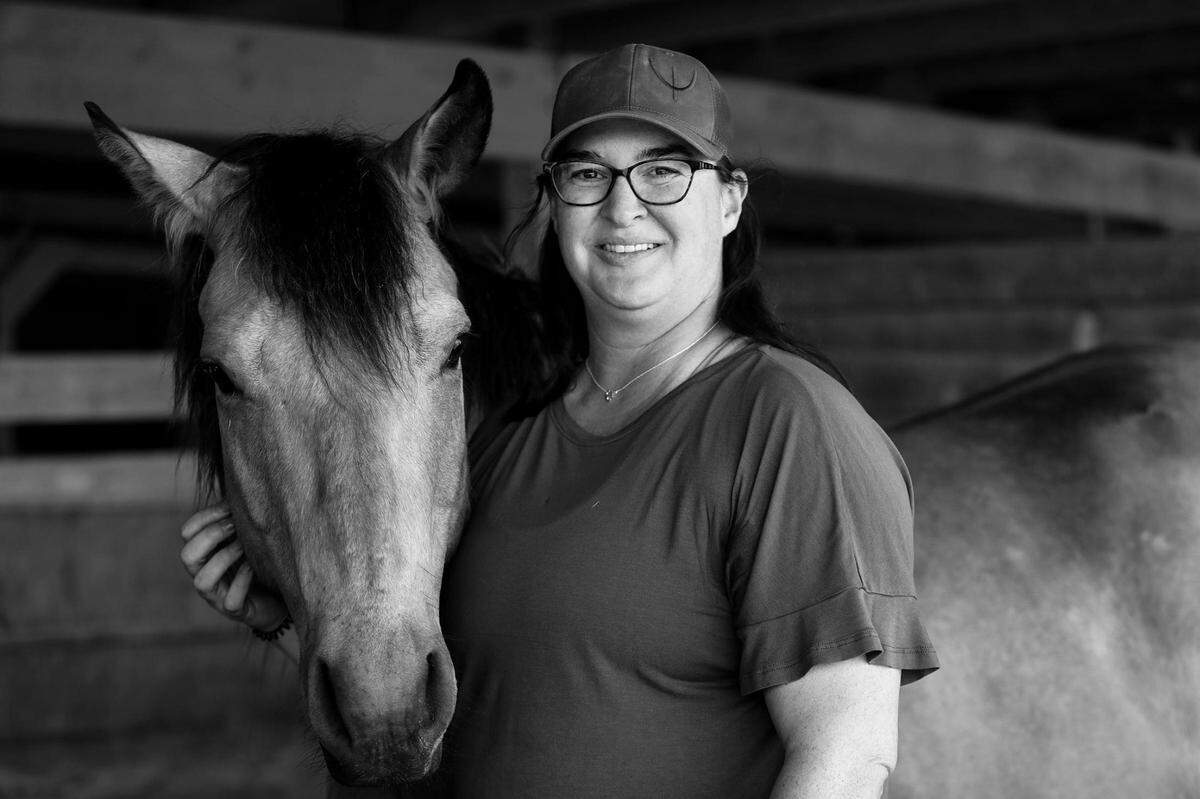
Age: 42
City of residence: Eagle Mountain Lake
Family: Single
How long have you lived in the Fort Worth area? Since birth
Occupation and place of work: Manager at Bonds Ranch
How long have you been with your employer? My family has been involved in ranching since 1933 when my grandfather started his first ranch in Saginaw.
What is your biggest concern, what keeps you up at night, today? The uncertainty of the market. How long will it take to get our market back in full swing? When the meatpacking plants began shutting down because of COVID-19 it created a backlog of over 1 million head of cattle. We still don’t know how long it will take before that bottleneck is fixed and when we will be back to our normal supply chain.
Describe how the coronavirus has affected you and your family? We’ve had to cancel trips and are spending more time at home. But my whole family is in the same industry so everyone’s been affected. We are having a hard time trying to buy cattle but the coronavirus is not the only thing we are fighting. We are also fighting with a drought in New Mexico and Colorado.
Have your spending habits changed? I try to be more cognizant of locally owned restaurants and in trying to support small businesses in the area.
What are your thoughts on reopening the economy? I think all business owners are willing to comply with whatever needs to happen to ensure the safety of employees and customers, but in order to survive, we need to stay open. It is our God-given right to be able to work, and the government should not be able to tell us if a business should be open or not. But people need to be considerate of others. If you’re sick, stay home.
If you are a business owner: Did you apply for and receive government aid? Explain the experience. Yes, we applied for government aid. We had to show our depreciation schedules and tax returns.
Staff writers Kristian Hernandez, Kaley Johnson, Luke Ranker and Anna Tinsley contributed to this report.
This story was originally published July 6, 2020 at 6:00 AM.