New Year, new laws: Texas bills related to taxes, squatters and AI start Jan. 1
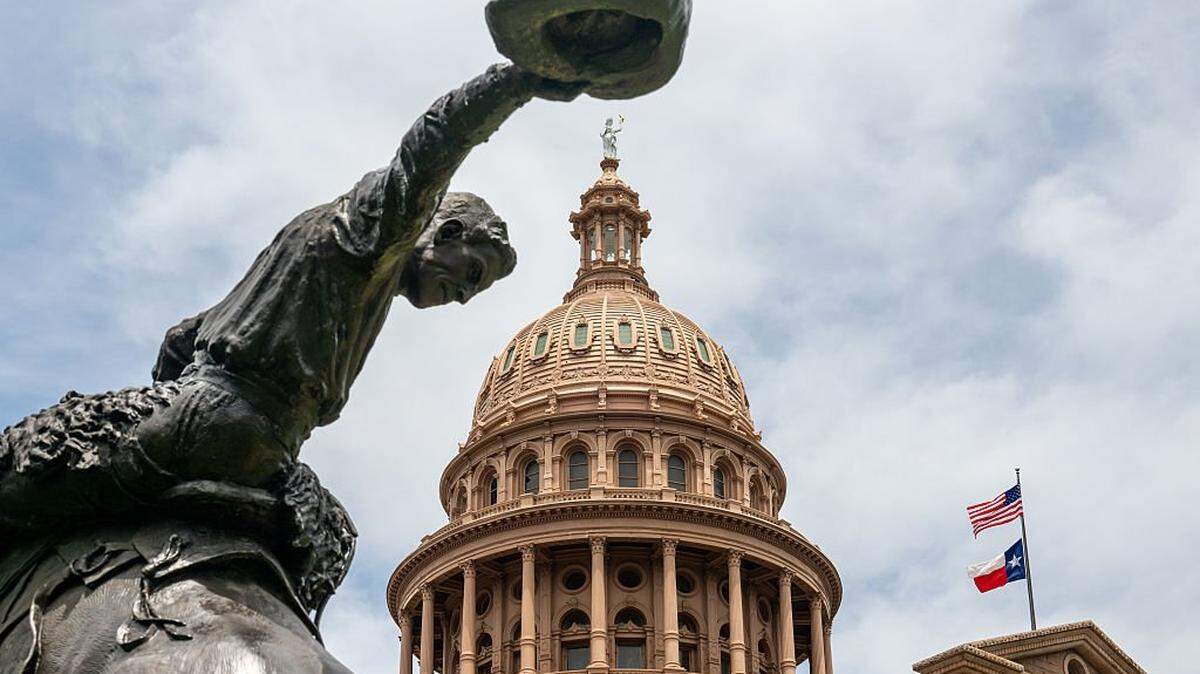
Jan. 1 ushers in a new year and more than two dozen new laws that include measures related to property taxes and artificial intelligence.
The latest batch of new laws comes after lawmakers met for much of 2025, adjourning for the final time in September after a regular legislative session and two subsequent special sessions.
Here are a handful of the roughly 30 bills taking effect in January.
New property tax laws in Texas
Texas home and business owners should be aware of several property tax-related laws that start in the new year, including a voter-approved measure meant to offer some relief to businesses.
House Bill 9 gives businesses a $125,000 tax exemption on property that is used to generate income. Sixty-five percent of voters in the November constitutional amendment election supported the change.
House Bill 1392 will be of interest to homeowners who have property tax bills due on a day the tax collector’s office is closed. The new law says payments will still be timely in that scenario, as long as they’re paid by the next business day.
Regulating Artificial Intelligence
House Bill 149, dubbed the “Texas Responsible Artificial Intelligence Governance Act,” takes effect Jan. 1. The new law outlines several new AI policies and regulations.
Among the provisions, it:
- Requires government agencies to disclose AI use.
- Prohibits AI that aims to unlawfully discriminate or to incite or encourage self harm, harm to others or criminal activity. AI that’s made to develop or distribute certain sexually content or child pornography also isn’t allowed.
- Requires the Texas attorney general to have a website where people can report AI-related complaints. The attorney general has the authority to investigate complaints and could impose fines against violations that aren’t fixed.
- Establishes a “sandbox program” for AI development.
- Creates the Texas Artificial Intelligence Council to help govern AI use.
Sheriff cooperation with ICE
Senate Bill 8 requires Texas sheriff departments to cooperate with U.S. Immigration and Customs Enforcement that allows the sheriff, officers and other employees or contractors to enforce federal immigration laws. The partnerships are optional and referred to as a 287(g) agreement.
Several cities and counties, including Keller and Tarrant County in North Texas, as well as divisions in the Texas Department of Public Safety, are already in agreements with the federal government to let officers perform ICE duties.
The bill also creates a grant program to assist county law enforcement with costs related to partnering with ICE.
Age restrictions on apps
Senate Bill 2420 requires mobile app stores to verify the age of account holders and age ratings for apps. Accounts for children and teenagers under 18 must be associated with the account of an adult parent or guardian, and app stores must get the adult’s permission for the minor to buy or download an app.
The groups Computer and Communications Industry Association and Students Engaged in Advancing Texas are challenging the law in court. A federal district court on Dec. 23 ruled that Texas Attorney General Ken Paxton and his office could not take any action to implement, enact or enforce the new law. That means that unless something changes ahead of Jan. 1, the law will not take effect, at least for the time being.
New squatter law
Senate Bill 38 makes several changes to the eviction process in Texas. Among them, the bill requires that eviction proceedings in court be heard within 10 to 21 days of filing a lawsuit.
It also includes notification requirements related to evictions and allows for summary judgments in cases where it’s undisputed that a tenant is squatting.
The change applies to eviction suits applied on or after Jan. 1.
This story was originally published December 24, 2025 at 5:00 AM.