Texas is about to pass a law allowing designated prayer time in public schools
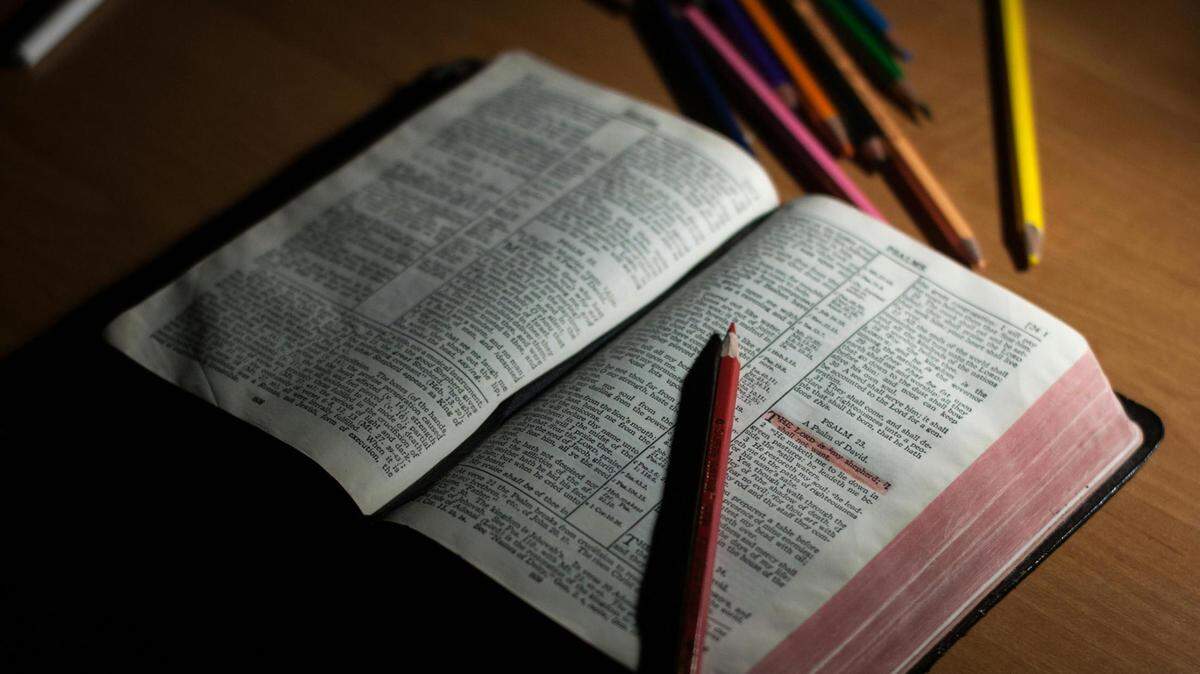
Students could get designated prayer time in school if a bill headed to Texas Gov. Greg Abbott’s desk is signed into law.
The legislation, Senate Bill 11, advanced from the Texas House on May 23 on an 88-48 vote, with six Democrats supporting the bill on Friday. It has already cleared the Senate, sending the bill to Abbott for approval.
“Senate Bill 11 is about protecting the freedom of those who choose to pray, and just as importantly, protecting the rights of those who choose not to,” said Rep. David Spiller, a Republican from Jacksboro who is carrying the bill in the House, during a May 22 floor debate. The bill passed in the Senate in March.
A spokesperson for the governor did not say whether Abbott plans to sign the bill into law when reached for comment.
“Governor Abbott will thoughtfully review any legislation sent to his desk,” Deputy Press Secretary Eduardo Leal said in an emailed statement.
Under the legislation, a school district’s board of trustees could adopt a policy requiring campuses to provide students and employees with an opportunity to partake in a period of prayer and reading of the Bible or other religious text each school day.
A student wishing to participate would need a consent note from a parent and would waive their rights to sue the school over the policy.
The time allocated could not be a substitute for instructional time. The prayer or reading of religious text must be away from other students whose parents haven’t consented, according to the bill. That means the time may be scheduled before school.
Some Democrats raised concerns that part of the bill allows teachers to encourage or discourage student prayer. That measure would apply to all schools, not just those that adopt a formal policy allowing prayer or religious reading time, said Rep. James Talarico, an Austin Democrat.
Allowing the encouragement of prayer would violate the First Amendment, said Rep. Chris Turner, a Grand Prairie Democrat.
“Our students are protected, as we all are, by the First Amendment in our deeply personal decisions whether to pray, to not pray, to determine how we pray, whether that’s during the school day or at any other time,” Turner said.
He tried to alleviate those concerns with an amendment but was unsuccessful. Spiller said the section of the bill at issue is drafted in a way that makes it consistent with existing law.
“Texas students already have an absolute right to individually, voluntarily and silently pray or meditate in school. Is that correct?” Talarico said as the amendment was debated.
Spiller confirmed Talarico was correct.
“And now your bill is allowing a teacher or school official to encourage students to engage in prayer in school, is that correct?” Talarico said.
“It doesn’t prohibit it,” Spiller responded, cautioning that there could be restrictions on encouragement under other laws or policies that he’s not aware of.
Speaking in favor of the bill, Rep. Brent Money, an Greenville Republican, recited a prayer that he said was commonly said in public schools in the 1950s.
“I don’t think there’s anyone here who thinks that the moral, emotional or mental well being of our students is overall better than it was in 1962 when this prayer was removed from our public schools,” Money said. “We have spent an enormous amount of time and energy during this legislative session trying to address the very real and sometimes overwhelming moral, emotional and mental ills of children and adults in our great state.”
Teachers should be encouraging students spiritually, Money said. Students in public schools need prayer and Bible reading more than ever before, he later added.
“Let me say this very plainly: We should be encouraging our students to pray and read their Bible every day, just as the authors of the constitution did,” Money said.
Rep. Lauren Ashley Simmons, a Houston Democrat, pushed back against the idea that students were better off in 1962.
“Black students were better in 1962 in segregated schools than they are right now?” Simmons said.
Money said he was speaking about students overall and is in favor of the integration of schools.
“But I will also say, I think that if you walked into any high school back then, whether a segregated Black school, a white school, an integrated school, you would find less emotional problems, less metal problems, and less, less suicide — those kinds of things that we see today because religious instruction was a much greater part of their everyday life, both at home, at church and at school,” Money said.
This story was originally published May 22, 2025 at 6:48 PM.