What does the Texas Railroad Commission do? Hint: It doesn’t have to do with trains
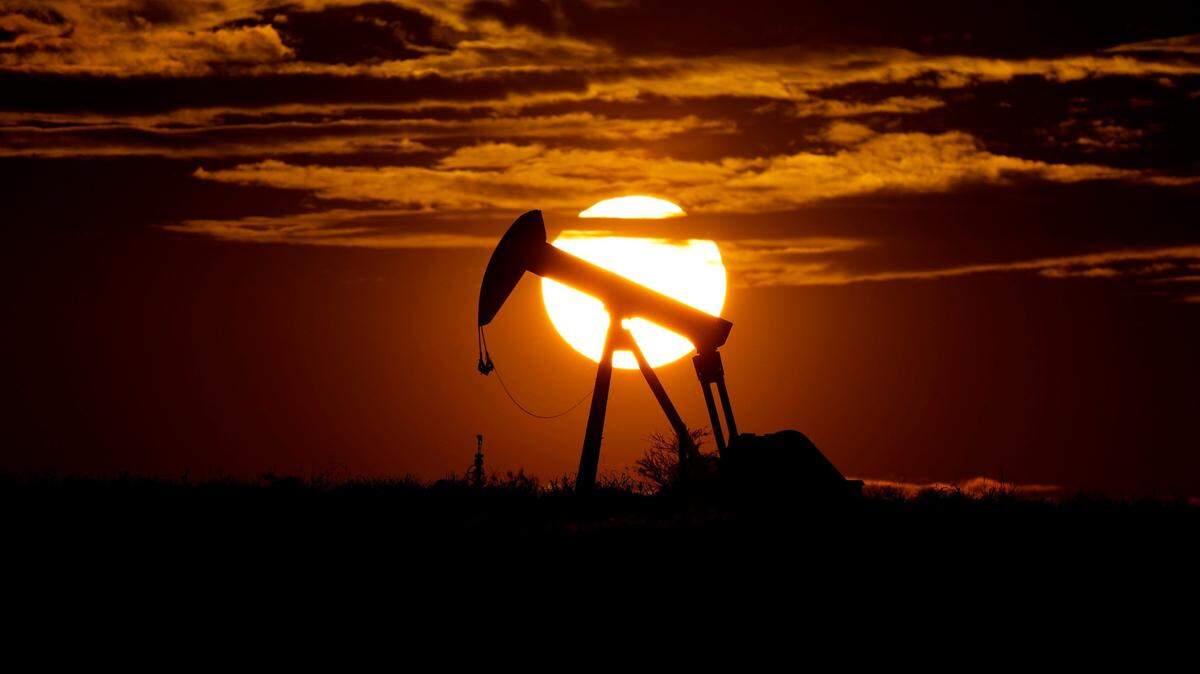
The Railroad Commission of Texas has nothing to do with trains.
Instead, it regulates oil and gas. With one of the three commission seats on the midterm ballot, here’s what to know about Texas’ longest standing agency.
What is the Railroad Commission of Texas?
The Railroad Commission of Texas is the state’s oldest regulatory agency, established in 1891. Its role has evolved over the years, and today it’s tasked with regulating Texas’ oil and natural gas industry.
According to its website, the commission also has oversight over:
- The Surface Coal Mining Control and Reclamation Act
- The Safe Drinking Water Act
- The Pipeline Safety Acts
- The Resource Conservation Recovery Act
- The Clean Water Act
The commission is composed of three commissioners. Terms last six years and are staggered so one is up for election every two years. The commission’s chair person is selected by the commissioners. Republican Incumbent Wayne Christian, who serves as chairman, is facing Democrat Luke Warford in the Nov. 8 election. Also on the ballot are Libertarian Jaime Andrez Diez and Green Party candidate Hunter Wayne Crow. Early voting runs through Nov. 4.
Why is it called the Railroad Commission?
The Railroad Commission got its name because it used to regulate the rate and operation of railroads, but over time its focus turned to oil and natural gas.
In 1917, a law passed making pipelines common carriers like railroads, putting them under the purview of the commission, according to its website. The commission’s authority was expanded again in 1919 when it was given oversight of oil and gas production. Its jurisdiction in the area of gas and oil continued to broaden over the years.
Its remaining rail responsibilities were moved to the Texas Department of Transportation in 2005, and it hasn’t had any railroad-related responsibility since.
Can the Railroad Commission’s name be changed?
What does the Railroad Commission have to do with the power grid?