Here’s who’s running in the Democratic primary for Congressional District 12 on March 5
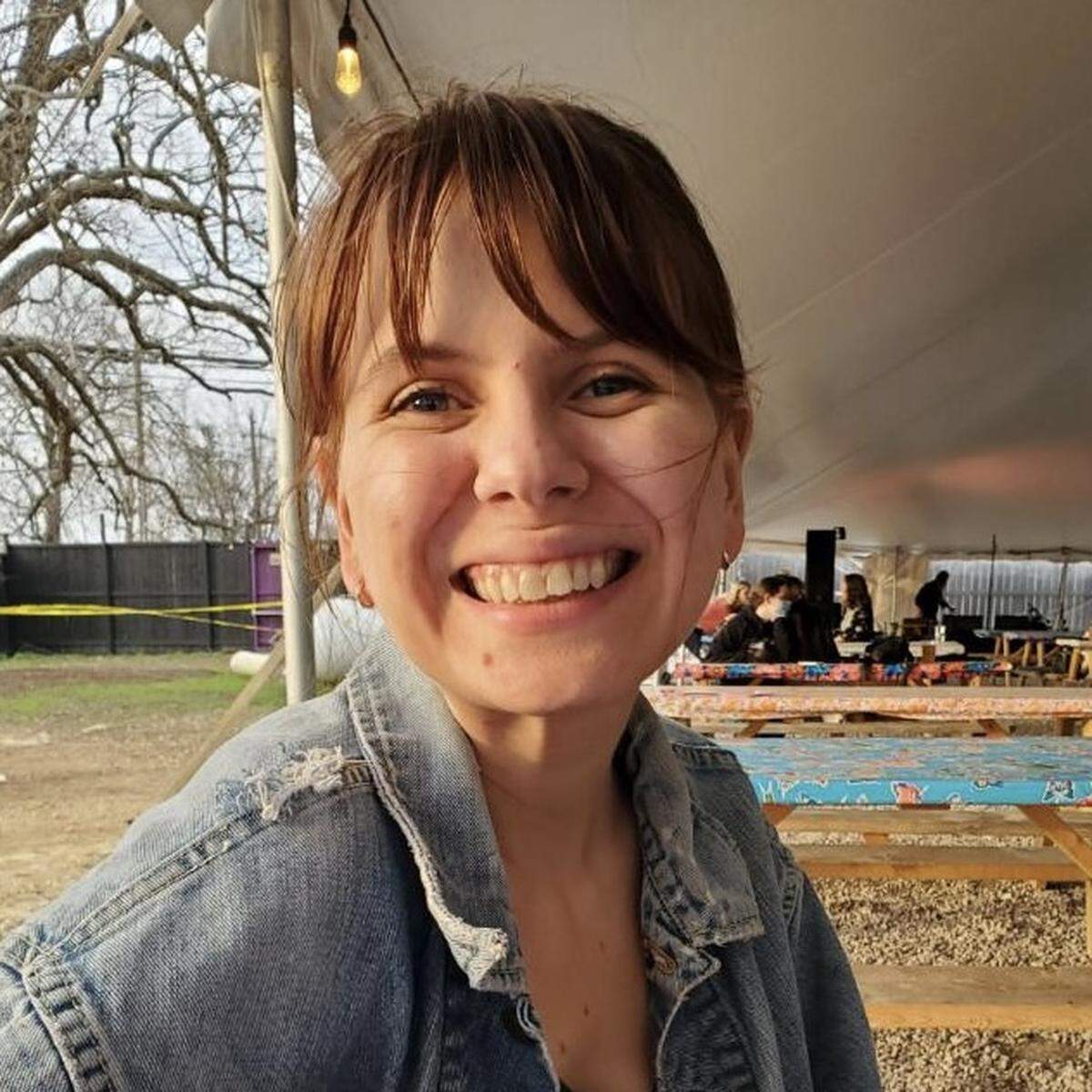
Sebastian K. Gehrig
Age (as of March, 5 2024): 26
Campaign website: www.gehrigforcongress.org
Best way for voters to reach you: info@gehrigforcongress.org
Occupation: Small Business Owner
Education: Bachelors of Science in Business Finance
Have you run for elected office before?
No
Please list the highlights of your civic involvement/activism.
Served in the Military
Have you ever been arrested, charged with a crime or otherwise been part of a criminal proceeding? If yes, please explain:
No
Have you been involved in a civil lawsuit or bankruptcy proceeding? If yes, please explain:
No
Who are your top three campaign contributors?
Myself, The Philip K. Gehrig Trust, Patricia Gehrig
Why are you seeking this office?
I am running for office because I believe our nation needs leaders with diverse, middle-class backgrounds who stand against the abuse of power and the empty promises of career politicians. My platform is built on values of integrity, service before self, and progress. As a candidate, my unique perspective as a former active-duty service member, a working-class family small business owner, and a resident of TX-12, equips me to represent our community authentically. My vision is a future where our community is united, addressing present-day challenges together, and where every American has the opportunity to achieve the “American Dream.”
What are the biggest challenges facing Congressional District 12?
CD-12 faces various challenges, however, the biggest ones I want to address immediately are the infrastructure (Lack Thereof) and public transportation, throughout CD-12. Communities like Azle, Weatherford, and the rest of Parker County, would extremely benefit from public transportation such as high-speed rail that can provide more job opportunities and connectivity to DFW. Another issue equally critical is tackling our district’s current 14.9% uninsured rate. I’m committed to pushing for Medicare for All, guaranteeing accessible healthcare for all residents. This also includes restoring and protecting the women’s rights to an abortion. Lastly, Education, too, needs immediate attention. We must increase teacher salaries, reform curricula, and boost funding to equip our children for the future. These challenges aren’t just policy issues; they’re about securing a thriving, equitable future for CD-12.
If elected, what would your top 3 policy priorities be?
Education, Immigration/Border Security, Women rights/LGBTQIA+
How will you measure your success as a U.S. Representative?
I will measure my success by reviewing the impact of my actions on our community. This involves holding quarterly public town halls to directly listen to constituents, and gain vital feedback on areas needing improvement. Success isn’t just in policies enacted but in tangible improvements in the constituents’ lives – be it through better infrastructure, healthcare, or education. It’s a dynamic process where community feedback shapes policy, ensuring my actions align with our district’s evolving needs. True success lies in being a responsive, accountable leader, dedicated to the well-being and satisfaction of those I have the honor and privilege to represent.
Why should voters choose you over your opponent(s)?
My moderate Democratic platform, rooted in a unique combination of military experience, small business insight, multi-cultural diversity, and LGBTQ+ activism, uniquely positions me to effectively lead and turn Texas’s 12th District blue.
What should Congress do to address immigration and border security at the Texas-Mexico border?
Congress must adopt a comprehensive approach to address immigration and border security at the Texas-Mexico border. This involves implementing advanced technology for efficient surveillance, focusing on illegal crossings and smuggling. We must increase funding to CBP and USCIS and invest in updating the current entry point’s infrastructure and security. However, it’s crucial to ensure the humane treatment of asylum seekers, with fair and efficient processing of applications. Reforming the immigration system to streamline work visas and residency processes is essential, creating a fairer system that welcomes those contributing positively to our society. Strengthening U.S.-Mexico collaboration is also key, enhancing mutual security through shared intelligence and resources. Additionally, addressing the root causes of migration in Central American regions through economic development initiatives is vital to reducing illegal immigration.
What should Congress do to respond to and prepare for population growth in North Texas?
To address the burgeoning needs of CD12, it’s crucial to prioritize and secure increased funding for infrastructure development, including public transportation and high-speed rail projects. Our district’s rapid growth necessitates proactive investment in infrastructure to not only keep pace but also to improve our quality of life. The deteriorating air quality and extended commute times are more than just inconveniences; they significantly impact our working-class families, escalating their daily expenses on fuel. Moreover, we must ensure our infrastructure is not just maintained but also innovatively adapted to meet the demands of today and the future. Additionally, collaborating with builders to facilitate more affordable housing is vital, as it paves the way for broader homeownership opportunities, supporting our community’s economic stability and growth.
What should be the top federal funding priorities for Congress and why?
Our education system urgently needs reform to exceed global standards and keep up or exceed those of our adversaries. We must increase teacher salaries significantly, ensuring they have the necessary resources for effective teaching. Implementing a standardized national curriculum, including early Spanish language education and a stronger focus on math and science, is essential. Rather than cutting funds, we should invest heavily in public schools to ensure equal education opportunities for every child. In border security, a joint approach with Mexico is crucial for modernizing our infrastructure. This includes boosting funding for CBP, border security infrastructure, and addressing migration’s root causes. Healthcare is a right; we need universal healthcare to ensure no American lacks insurance or basic care. This includes bolstering mental health services and making life-saving medications more affordable, ensuring healthcare is accessible and compassionate for all.
Should the U.S. send additional foreign aid to Israel and Ukraine?
We should continue to provide crucial aid to Israel and Ukraine to ensure global stability. Yet, we must intensify diplomatic efforts to end these conflicts and foster peace in the regions. Endless wars are unsustainable; our focus must also include pressing domestic challenges. However, we can’t ignore the brewing tensions that threaten global security. Our strategy should balance aid with proactive diplomatic engagement, aiming to prevent a global conflict while prioritizing peace and sustainable solutions.
What’s a Texas policy issue that’s important to you, but not necessarily as high profile? Why do you think it’s important?
Mental health is crucial yet often neglected in policy talks and is critical for our societal well-being. In Texas, and especially in rural areas, the lack of mental health resources is glaring, affecting not just individuals but also exacerbating broader issues like homelessness and incarceration. In CD-12, where 14.9% are uninsured, the need for accessible healthcare is urgent. I propose a universal healthcare system covering essential medical and mental health services and medications. Acknowledging healthcare as a fundamental human right, we must ensure comprehensive access. This investment in mental health services is not only a health necessity but a step towards addressing profound societal and economic impacts.
Trey J. Hunt
Age (as of March, 5 2024): 29
Campaign website: TreyOnTheHunt.com
Best way for voters to reach you: Info@TreyOnTheHunt.com
Occupation: Homeless Housing Coordinator
Education: BS Psychology, MS Criminal Justice, MS Sociology (Exp Spring 24), PhD candidate Ed Psych (start Fall 24)
Have you run for elected office before?
Texas’s 12th Congressional District, 2022
Please list the highlights of your civic involvement/activism.
Two years homeless outreach, two years homeless housing, three years as a member of Texas Democratic Women of Rural North Texas. Strong advocate for centering a student organization at my undergraduate college that feeds people experiencing homelessness.
Have you ever been arrested, charged with a crime or otherwise been part of a criminal proceeding? If yes, please explain:
No
Have you been involved in a civil lawsuit or bankruptcy proceeding? If yes, please explain:
No
Who are your top three campaign contributors?
Myself, Colleen Haas, Alan Lobaugh
Why are you seeking this office?
Texas’s 12th Congressional District
What are the biggest challenges facing Congressional District 12?
High inflation rates, border crisis, and lackluster infrastructure and public transportation.
If elected, what would your top 3 policy priorities be?
Transitioning the military-industrial complex into the builders of green technology and public transportation vehicles, criminal justice reform, and increasing the ovality of housing through public-private partnerships.
How will you measure your success as a U.S. Representative?
Representative Kay Granger played a key role in fostering job growth related to the military in Congressional District 12 and North Texas. To uphold her legacy, I aim to oversee the transition of these jobs into a revamped American economy, generating products that directly enhance the well-being of the average citizen. My vision includes the promotion of well-paying union jobs and the advancement of valuable skills. I aspire to leverage the expertise of highly skilled individuals within the United States Agency for International Development (USAID) to aid Latin American nations in strengthening their economies. This strategic approach aims to diminish the economic factors driving migration, thereby contributing to a reduction in the border crisis
Why should voters choose you over your opponent(s)?
Sebastian is a commendable individual, and we both acknowledge our differing perspectives on the gradual implementation of policies. I firmly advocate for immediate action on specific issues, such as the introduction of Medicaid. Nonetheless, I recognize the importance of having a well-thought-out transition plan for the natural gas sector that considers local economies and the jobs associated with these industries.
The responsibility falls on the federal government to aid in the transition of these industries, encompassing aspects like job training to adapt to the evolving market. While I hold a steadfast position on the urgency of certain policy implementations, I am also committed to ensuring a careful and supportive approach to transitions, particularly in sectors like natural gas, to safeguard local economies and employment opportunities.
What should Congress do to address immigration and border security at the Texas-Mexico border?
The primary driver of migration stems from economic upheaval in foreign countries. It is imperative to establish a transparent route for both citizenship and asylum seekers. Addressing the root systemic causes is essential to resolving the ongoing border crisis. My proposal involves harnessing the complete capabilities of the United States Agency for International Development (USAID) to foster stronger, self-reliant foreign allies. By promoting sustainability and resilience in these nations, we can effectively reduce the migration flow and contribute to long-term stability.
What should Congress do to respond to and prepare for population growth in North Texas?
As population growth through reproduction and new Texans move to CD-12, it is crucial for Congress to proactively address this by developing infrastructure capable of supporting larger populations. This includes the enhancement of a robust public transportation system. Once elected, I will actively promote the establishment of more multi-family dwellings and the creation of walkable communities. Embracing our digital evolution, it is imperative to champion broadband access, ensuring that a larger population can work and learn remotely, thereby adapting to the changing dynamics of our increasingly digital society.
What should be the top federal funding priorities for Congress and why?
The foremost federal funding priorities should encompass healthcare, border security, and the strategic transition of the military-industrial complex. This transition must be executed while ensuring the maintenance of American military strength and providing necessary funding to support our allies in defending against foreign aggressors.
Should the U.S. send additional foreign aid to Israel and Ukraine?
The U.S. should provide support to Ukraine with the condition that they enhance collaboration with military advisors for more effective strategic planning. It is crucial to avoid wasteful resource allocation, as seen in cases like Bakhmut, and encourage Ukraine to pursue territorial gains that would pressure Putin.
Concerning Israel, the U.S. should reconsider foreign aid to Netanyahu’s actions against Palestinians, which is unpopular among the Israeli people and contributes to escalating issues in the Middle East. Netanyahu’s continuation of the war, despite unpopularity, raises concerns similar to historical instances like the beginning of World War I. If Hamas is deemed a terrorist group, a more targeted approach that avoids civilian casualties should be adopted.
What’s a Texas policy issue that’s important to you, but not necessarily as high profile? Why do you think it’s important?
The Texas initiative to cut funding for public schools (school vouchers) raises significant concerns, especially since my son is reaching primary school age, and the public school we had envisioned for him is now at risk. As a mental health worker, I am troubled by the potential reduction in counseling services and other programs that contribute to students’ overall well-being due to the decrease in funding. The exit of over 50,000 teachers from the workforce is alarming, and I fear the long-term repercussions on the Texas economy and its citizens.