Where the candidates for Texas land commissioner stand on veterans’ care, disaster relief
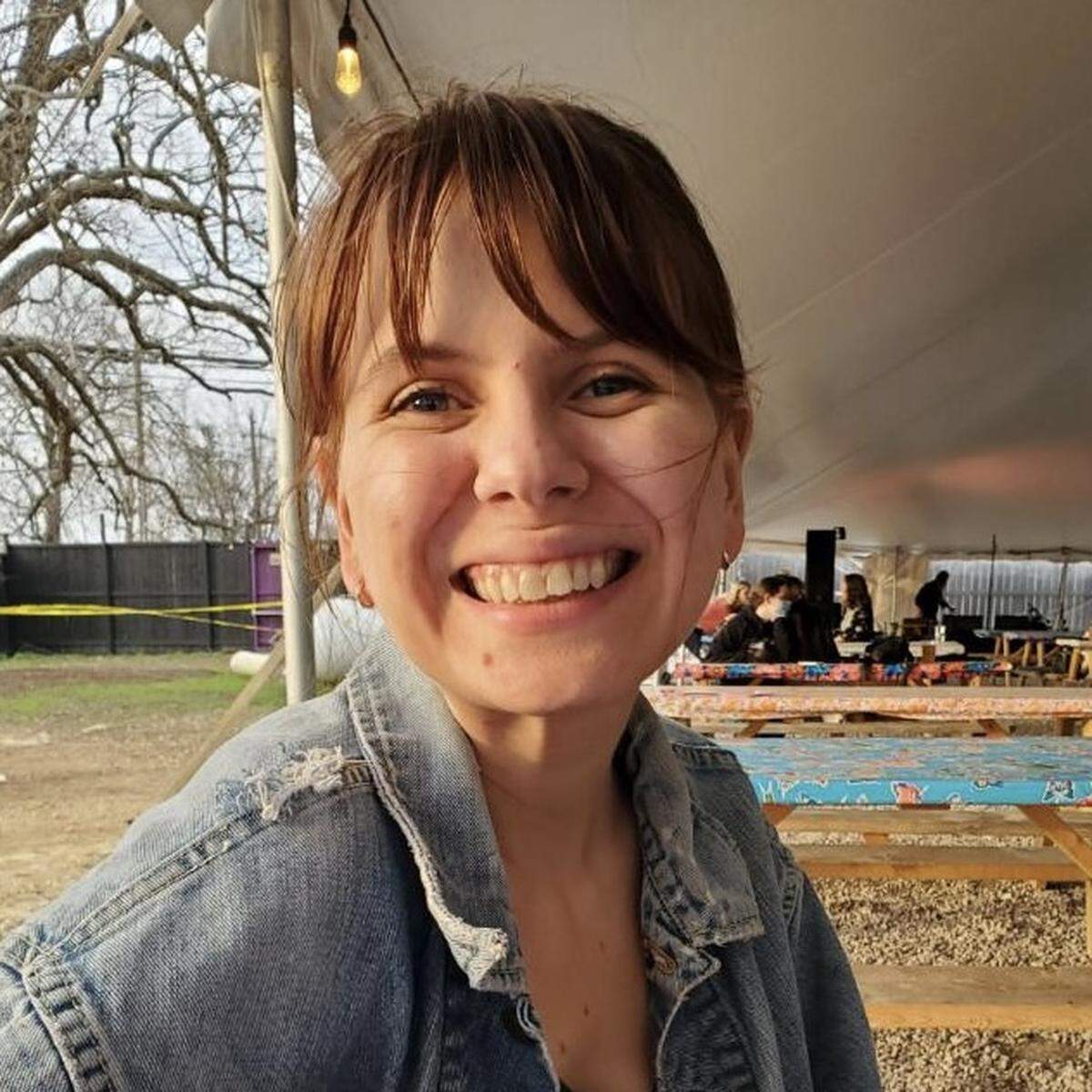
Dawn Buckingham
Political party: Republican
Age as of November 8, 2022: 54
Campaign website: dawnbuckingham.com
Occupation: Surgeon
Education: UT Austin, B.S. Kinesiology; UT Medical Branch at Galveston, M.D.
Have you run for elected office before?
Lake Travis School Board Trustee and Texas State Senator (SD 24)
Please list highlights of your civic involvement:
Serving as a school board trustee, a public member of the Sunset Commission, and as a state senator representing SD 24.
Who are your top three campaign contributors?
Michael Porter, Cody Lee, John Nau
What is the most important distinction between you and your opponent(s)?
This is actually a historic election for Texas as I will be Texas’ first female Land Commissioner if we are successful in our campaign. Aside from that obvious difference, my opponent and I grew up very differently. On my family’s ranches and farms we did the work ourselves without the help of a large staff. I am the product of Texas public schools, as are my children, and I graduated from a public university. Like Beto, my opponent attended an elite out-of-state boarding school then went on to a private university for his college education. I worked my way through college, attained my medical degree, and then began a successful medical practice serving Texans every day. In short: I have worked for a living. Politically, there is a strong contrast as well. I am committed to protecting the Texas we know and love for future generations. A large part of that for me is protecting our energy independence and doing everything we can to make our communities more safe through border security.
What are the three biggest issues in this race?
The three biggest issues in this race are the economy, public safety, and funding for education and our veterans. My opponent has made it clear that he will continue the trend of radical environmentalists and limit the drilling of oil and natural gas on our state lands. Besides raising the cost of gas and groceries tremendously, these policies will cost thousands of Texans their jobs and hurt real families. Additionally the Permanent School fund, composed mostly of oil and gas royalties generated on state lands, contributes a billion dollars a year to K-12 education. My opponent’s policies would cripple this critical education funding stream. Further, while my opponent thinks state tax dollars spent on border security are a “colossal waste,” I believe we are obligated to do everything we can to stem the tide of human trafficking and deadly drugs coming across our border. Our Texas families deserve safe communities and that begins with a secure border.
As commissioner of the General Land Office, what would be your vision for the Alamo and how would your office oversee it?
The Alamo is the crown jewel of Texas history and should be a monument to our revolution, telling the story of that battle and the events leading to and from it. When there was a movement to move the Cenotaph from its rightful place, I laid down the legal challenge to keep it where it belonged. I am extremely serious about our state’s rich history and while my opponent wants to reimagine the Alamo as a woke space for things you’d find in a Critical Race Theory textbook, under my watch it will be a venerated space for Texas and its rich history. As such, I believe the Land Commissioner must retain oversight of this precious place and I will work tirelessly to be a great steward of our Alamo.
What steps would you take as land commissioner to help Texas’ veterans?
As the next Land Commissioner, serving our state’s veterans will be one of my top priorities. I’ll fight to make sure that every man and woman who has worn our nation’s uniform has the support they need and the respect they deserve.As a state senator, and as a private citizen before that, I have a long record of always standing with our veterans, supporting increased benefits, better programs, and more services for them. I never just stood idly by on veterans’ issues in the Senate. I was passing legislation and securing needed funding for our veterans. For example, I secured 35 million dollars to ensure our veterans in state homes had new HVAC systems to protect them from diseases like COVID. Additionally, I helped lower veteran property taxes, passed the Star Spangled Banner bill to honor their service, and helped pave the way for better access to mental health treatments. We are the land of the free because of the brave, and I will remain committed to helping our veterans.
How would your office assist Texans after natural disasters?
When catastrophe strikes the Texas coast, I’ll be there every step of the way to help Texans recover. I grew up in a small town along the Texas coast, so I know firsthand just how devastating a major hurricane can be and what people need in its aftermath. As Land Commissioner, I’ll make sure the Land Office is fully prepared to respond to catastrophic storms that impact our coast.Texans in our coastal communities should feel secure in the belief that, should the worst happen, my office will be there every step of the way to help them pick up the pieces and get life back to normal as quickly as possible.
What’s your plan for the Permanent School Fund as land commissioner?
I will do everything in my power to preserve and expand the revenues that pour into the Permanent School Fund, which is almost exclusively derived from oil and natural gas leases and royalties from drilling on state-owned lands. My opponent wants to weaken our energy economy and it will be at the cost of jobs for real families, higher prices on all Texans, and less money for our children’s public education.
What’s something most voters probably don’t know about the General Land Office that you think they should?
The Land Office may be one of the least known offices but it truly has the power to touch the lives of every Texan. Whether its stewarding 13 million acres of state lands, supporting our energy economy, providing billions in public education funding, protecting our state history, taking care of our veterans, or responding after a natural disaster, the Land Office does work that truly matters and I am excited for the opportunity to serve in this capacity.
As land commissioner, how would promote transparency in the General Land Office?
As Land Commissioner, I plan to have an aggressive communication strategy with the public, ensuring that they know what this critical office is doing on their behalf and how. I want to change the way statewide elected officials communicate with the public through innovation and new ideas. If people know little about the Land Office today, my hope is in four years they know so much more.
Jay Kleberg
Political party: Democratic
Age as of November 8, 2022: 45
Campaign website: jay4tx.com
Occupation: Conservationist and Business Owner
Education: Master of Business Administration, The University of Texas at Austin, McCombs School of Business and Bachelor of Arts in English, Williams College
Have you run for elected office before? (Please list previous offices sought)
In 2010, I ran in the Republican Primary for House District 78.
Please list highlights of your civic involvement:
- Director of Texas Lyceum, a non-partisan civic engagement group
-Advisory Board Member of the University of Texas at Austin McCombs School of Business
-Board Member of Flatsworthy, a grassroots conservation organization on the Texas coast
- Board Member of the Caesar Kleberg Foundation for Wildlife Conservation
-Advisory Board Member of Burn Pits 360
Who are your top three campaign contributors?
Claire Dewar, Melinda Winn, and myself
What is the most important distinction between you and your opponent(s)?
The most important distinction between myself and my opponent is the difference in our experience relevant to this office. I am the only candidate running with a deep understanding of the responsibilities of the GLO and the experience necessary to utilize this post as a force of good for all Texans. I’ve spent my entire life working to conserve our state’s resources. My upbringing on the King Ranch instilled in me a deep respect for the land. Those values have been present in my time as the Associate Director of the Texas Parks and Wildlife Foundation, where I oversaw the largest land acquisition for conservation purposes in Texas history, as the managing director of the land-based conservation business Explore Ranches, and as an environmental film producer and author. We cannot afford to elect another Land Commissioner lacking the experience necessary to do this job and to make decisions for Texans based on generational terms – not on election cycles or political aspirations.
What are the three biggest issues in this race?
1. Fulfilling our obligation to Texas Veterans and improving Veterans services in Texas
2. Ensuring we take an expansive energy approach, using oil and gas as well as renewables and carbon storage, to provide long-term revenue for the General Land Office’s commitment to funding K-12 public education in Texas
3. Reforming the General Land Office’s disaster relief and recovery programs to ensure all Texans can recover from the last natural disaster and properly prepare for the next one
As commissioner of the General Land Office, what would be your vision for the Alamo and how would your office oversee it?
The story of the Alamo is as far reaching and complex as Texas itself. The Alamo is a symbol of Texan and Tejano pride and we must honor those contributions to Texas, as well as the thousands of years of history and stories prior to the 1836 battle.Under a revised plan, the city of San Antonio would be responsible for the design and construction of Alamo Plaza and improvements to Crockett and Bonham streets. The GLO would be responsible for the design and restoration of the Alamo church and Long Barracks, as well as the design and construction of other improvements to the Alamo grounds. All of the impacted groups must have input in the conversation on the Alamo.Currently, the total economic impact of Alamo-related tourism is about $375 million annually, which would increase by over $186 million annually once the master plan is implemented. We can and must strike a balance between educating and exciting visitors while respecting the Alamo as a site of reflection and remembrance.
What steps would you take as land commissioner to help Texas’ veterans?
In addition to providing low-interest land loans and housing to Texas Veterans, the GLO is tasked with overseeing nine long-term Veteran care facilities and four Veteran cemeteries. But our current Land Commissioner, who has endorsed my opponent, has repeatedly left Texas Veterans behind. The Veterans Land Board has not had an Executive Director for over two years, and during the height of COVID, state-run Veterans homes had double the death rate of other long-term care facilities. Texas Veterans deserve far better. As Land Commissioner, I will invest in better care for our Texas Veterans Homes, reduce interest rates and raise the lending limit, put human and financial resources to increasing awareness of VLB programs, and partner with communities in the management of our veteran cemeteries. We will also work to support the PACT Act and re-appropriate existing funds to establish the Texas Veterans Toxic Burn Pit Registry & Outreach Program housed under the Veterans Land Board.
How would your office assist Texans after natural disasters?
If elected, I will make sure that all communities across the state have the resources to apply for and receive benefits from FEMA and HUD in a timely manner. I would use the GLO’s discretion to administer federal funds to ensure dense, urban areas are not penalized and that damage claims for lower income homeowners and renters are not ignored. I would send strike force teams into damaged communities to ensure the timely disbursement of FEMA funds and application for longer-term allocation of funds. We must also prepare our communities by incorporating modeling into the Coastal Management Plan, which will increase the standard for investment on the coast. These higher standards would be applied to the Coastal Resiliency Master Plan. They would also maximize investments with federal funds for the roughly 25% of Texans who live on the coast.
What’s your plan for the Permanent School Fund as land commissioner?
Each year, the General Land Office is able to contribute up to $600 million to the Permanent School Fund (PSF), which funds K-12 public education in Texas. At $58 billion, the PSF is the largest educational endowment in the US, yet Texas ranks near the bottom of the list in per-pupil education funding. The General Land Office has sent less money to public schools than it did a decade ago, depriving our public schools of $720 million of funding they would have received in 2018 alone.The GLO’s contributions to the Permanent School Fund reduce the burden on Texas taxpayers and support our students, teachers, and schools. I would not only allocate the full $600 million annually to the PSF, but work with the Legislature to increase the limit on how much the GLO could contribute annually. In the fall of 2019, the GLO reported that it had generated more than $1B in revenue from state lands. The entirety of those funds should support our chronically underfunded K-12 public school system.
What’s something most voters probably don’t know about the General Land Office that you think they should?
Most voters don’t know about the impact that the General Land Office has on everyday Texans or its potential as a force for good in our state. The General Land Office supports Veterans, Texans affected by natural disasters, schoolchildren, and our coastal communities, which account for over a quarter of our state’s real gross domestic product, working hand-in-hand with Texans everyday. If we have a Land Commissioner who is qualified and focused on the job and the people of Texas, the General Land Office can transform our great state.
As land commissioner, how would promote transparency in the General Land Office?
Given the massive impact that the General Land Office has on so many Texans, it is the Land Commissioner’s duty to this state to ensure transparency within the agency. If elected, I will support a number of practices to increase transparency, including required, publicly-available and regular reports from the School Land Board, Veterans Land Board, new Permanent School Fund Investment Corporation, Coastal Management programs and disaster recovery division of the GLO regarding operational effectiveness and outcomes with recommendations for improvements. So many of the failures of the current administration, primarily regarding Veterans care and benefits, have been enabled by the lack of transparency and accountability to the public. If elected, I will usher in a new era of leadership to the General Land Office – one where transparency and accountability to the public is not just tolerated, but is encouraged.