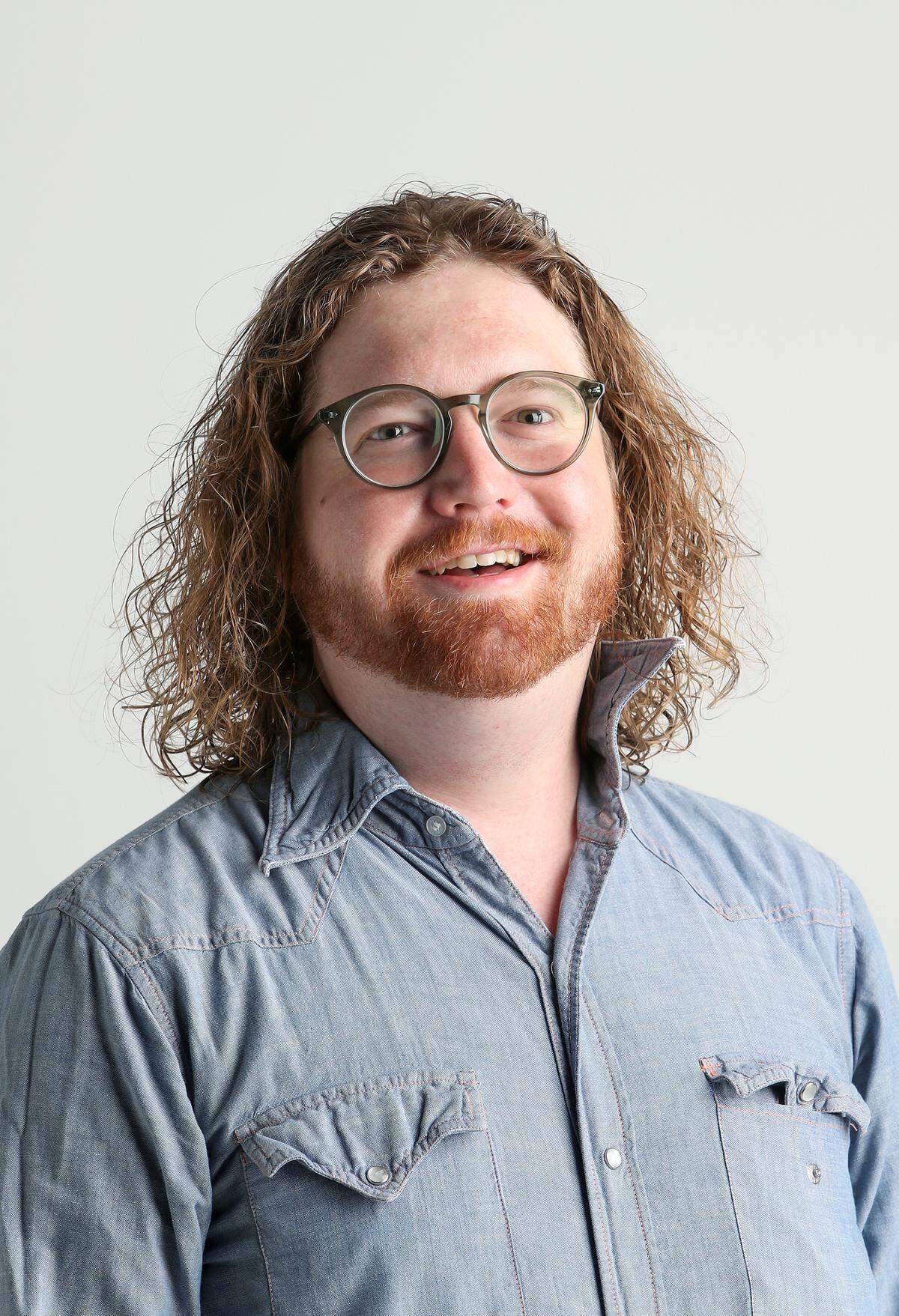
Fort Worth City Council District 6 candidates
Jungus Jordan
Age: 72
Occupation: Retired Lieutenant Colonel, US Air Force; Former Development Officer, TCU; Former Financial Advisor, Retired Advisor for Local Children’s Hospital
Education: B.A.-Economics, TCU; M.A.-Management
What’s the best way for voters to reach you? My campaign phone is 817-343-2978, email is jungusjordan@att.net. For city business or issues, call 817-392-8806
Have you run for elected office before? (Please list previous offices sought)
Current Fort Worth City Councilmember for District 6 & Current Mayor Pro Tem
Please list highlights of your civic involvement (for example, service on boards/commissions or leadership positions held):
Current Fort Worth City Councilmember for District 6 & Current Mayor Pro Tem
Have you ever been arrested, charged with a crime or otherwise been part of a criminal proceeding? If yes, please explain:
No.
Have you been involved in a civil lawsuit or bankruptcy proceeding? If yes, please explain:
A former employer was the defendant in a frivolous lawsuit that also named several employees. The lawsuit was dismissed.
Who are your top three campaign contributors?
My campaign reports are public record.
Why are you seeking this office?
I am running to work hard and get results for all in District 6 and on citywide issues. I will focus my service on the issues that are important to us all: Making sure our public safety needs are met; reducing the city property tax rate; improving neighborhood streets and traffic mobility; ensuring uniform code enforcement; providing quality neighborhood parks and senior centers; making sure our city services meet the needs of our citizens; and promoting a strong local economy. In short, to make sure our city is responsive to its citizens.
What are the biggest challenges facing your city/district?
Providing adequate public safety, continuing to lower the property tax rate, continuing responsible development along with adequate infrastructure to support it, and attracting more retail and jobs. I am also committed to fostering strong educational opportunities for our children in District 6’s overlapping Fort Worth ISD schools, Crowley ISD schools and with higher education opportunities and job training at the Tarleton State University Fort Worth campus.
What would your top 3 policy priorities be?
My top priority will continue to be strongly supporting public safety (Fire, Police and EMS) and the first responders who keep us safe. I will also continue to seek reduced property taxes, improving and maintaining our streets and other city infrastructure, upholding the quality of life in our neighborhoods including responsive code enforcement and continued park development, and working to keep our local economy strong. By accomplishing these goals, Fort Worth will continue to be a great place to live, raise a family, work, and retire.
Why should voters choose you over your opponent(s)?
I am an ordinary citizen who is much like those I seek to represent in District 6. I grew up here, and after my military career in Vietnam and at the Pentagon, I returned to Fort Worth because I knew there was no better place for my family. My military and business careers, along with my education in economics and management helped prepare me to be an effective watchdog over the city’s budget, and in helping the city deliver services to our citizens and neighborhoods. I also believe a good leader is a good listener, and my door and the doors at City Hall are always open to anyone wishing to make their voices heard. I also hold regular town hall meetings with residents in District 6, known as “Java with Jungus,” so they can personally express their concerns and opinions. And I personally return all phone calls.
COVID-19 has radically changed our country and city. What would have done differently than current leaders to navigate the pandemic?
Given the benefit of hindsight, I would encourage leaders across the political spectrum to focus on fighting the virus instead of each other.
Though Fort Worth is one of the fastest growing cities in the country, a 2018 economic development study noted we risk becoming a bedroom community to Dallas County, where job growth is strong. What should the city do to attract jobs, corporate relocations and other economic development?
Fort Worth is growing because it’s a great place to live. We have an extremely low unemployment rate compared to other cities our size. We should be selective in attracting corporate relocations and facilitate building small businesses and new start-ups internally. Any incentives should be used discriminately to attract businesses that produce quality jobs and a positive return on investment for the city.
Last year the Star-Telegram highlighted disparities in the 76104 ZIP code that led to the area having the worst life expectancy in Texas. The investigation revealed a lack of access to jobs, transportation, groceries and health care. What should the city do to improve circumstances in the area?
The city should continue partnering with the county, state, and federal governments to encourage health education and health infrastructure improvements in this area, and to encourage private sector investment and re-development in this and all areas of Fort Worth that are struggling economically.
The city’s budget will take a hit from COVID-19 in the coming years, particularly in the form of lost sales and tourism revenue. What priorities would be in your city budget?
My top priorities will continue to be supporting public safety and our public safety employees, holding the line against property tax increases, improving and maintaining our streets and other city infrastructure, upholding the quality of life in our neighborhoods including responsive code enforcement and continued park development, and working to keep our local economy strong.
Fort Worth’s property taxes are out of balance, with the vast majority of revenue coming from homeowners rather than commercial property taxes. How would you correct this?
I support our city’s current multiple part commitment to balance our tax base by encouraging and supporting expansion of existing businesses, recruiting quality new business, restoration of our city core older business corridors, improving our essential mobility infrastructure and by using our local higher education institutions to incubate local public-private research and development.
Fort Worth’s public transportation lags behind other major cities in Texas both in the scope of the system and the amount of public money spent on transit. Trinity Metro is in the process of redesigning the bus network and has requested additional funding from the city. Do you support boosting the city’s allocation to Trinity Metro? How should Fort Worth improve its public transportation?
I support securing federal funding to extend TexRail into District 6 in southwest Fort Worth. In addition, I support the City’s appointment of a transportation expert to coordinate efforts with Trinity Metro. We should consider smaller vehicles on less-used routes and we should look at innovation to capture more efficiency through services like Via or Uber, who can handle individual on-demand transportation needs and potentially replace routes with little demand. We also need to develop regional cooperation and solutions working through the Regional Transportation Council of which I am a respected member.
A chief complaint from residents in Fort Worth’s suburban neighborhoods are congested arterial streets. Often new subdivisions outpace street capacities. What can be done to improved this?
I have worked with the city’s Transportation & Public Works Department to ensure new arterial streets in District 6, such as Risinger Rd & McPherson Blvd are large enough (three lanes, divided roadway) to accommodate traffic from the current and future neighborhoods that utilize them, and that they are maintained in a safe condition. Additionally, we need to increase police traffic patrols to address street racing and excessive speeding.
The current City Council accepted the Race and Culture Task Force recommendation for a civilian review board for the police department, but the board has not been established. What form do you think this review board should take?
I support the current more aggressive investigative process whereby the council, city manager & appointed police monitor are responsible for reviewing incidents involving potential police misconduct. Training, leadership and community outreach must continually be actively engaged.
There has been an ongoing cry to improve equity in Fort Worth, including a campaign last year to end the special police sales tax and devote that money to transportation or social services. Are there changes you’d like to see to the police department?
I oppose defunding the police and strongly support the role of the Fort Worth Crime Control and Prevention District in helping keep our families and neighborhoods safe including its funding for Neighborhood Police Patrol Officers, and programs like Citizens on Patrol. In addition, I support the City Council’s ongoing work with Police Chief Noakes to improve officer training, supervision, accountability and community outreach.
As Fort Worth grows and diversifies, how should the city’s leadership improve equity?
I believe it is the City Council’s responsibility to ensure that Fort Worth is a city that provides equal opportunities for all to prosper and lead healthy, productive lives. We should not tolerate any discriminatory actions that are contrary to this goal and actively promote, practice respect for all residents and visitors.
Tiesa Leggett
Age: 39
Occupation: Community Advocate
Education: I am a lifelong learner and graduated from the University of North Texas at Denton with a Bachelor of Arts degree in journalism and I hold a Master of Science degree with a focus on sustainability from the University of Texas at Arlington.
What’s the best way for voters to reach you? info@leggett4d6.com
Have you run for elected office before? (Please list previous offices sought)
No
Please list highlights of your civic involvement (for example, service on boards/commissions or leadership positions held):
I am proud of my ability to create policy and partnerships with organizations to accomplish goals. My most favorite time in my career was working alongside the incredible professionals at Blue Zones Project. Additionally, I am the founding president of BRIDGE Fort Worth and was appointed to the Blue-Ribbon Citizens Committee, established by the Tarrant County Commissioner’s Court, to review the future needs of the JPS Health Network.
Have you ever been arrested, charged with a crime or otherwise been part of a criminal proceeding? If yes, please explain:
No
Have you been involved in a civil lawsuit or bankruptcy proceeding? If yes, please explain:
No
Who are your top three campaign contributors?
Saleeta Thomas, Judy Garner, Maureen Mendoza
Why are you seeking this office?
I have always been encouraged to be civically involved in our neighborhoods and I have decided this is the time to influence local government through my experience in advocacy. I want to empower my neighbors and my district to think bigger for our community. The demographics of District 6 are rapidly changing and becoming more diverse, which is exciting but comes with its own set of challenges. It is going to take a compassionate leader who has the ability to touch all hearts to help mend broken fences and reset expectations to inspire and create a connected district.
What are the biggest challenges facing your city/district?
The largest issues facing District 6 are a lack of economic and overall well-being initiatives, a lack of uniform code enforcement and negative and/or illegal activity that encompasses drag racing and illegal game rooms.
What would your top 3 policy priorities be?
Economic Development:I support initiatives that will create proven innovative economic opportunities to generate revenue and lower property tax taxes.Compassionate Community Policing:I am dedicated to creating a safe community for everyone. I will work with law enforcement to expand training and ensure that citizens have a voice in how their communities are policed.Uniform Code Enforcement:I will work with the community and coordinate with City Staff to implement uniform code enforcement. She will ensure that every neighborhood is included in this process by empowering all residents including those without neighborhood associations or organizations to advocate for their communities.
Why should voters choose you over your opponent(s)?
I don’t like calling the other candidates in this race my opponents. They are my neighbors, and we are applying for a vacant position where the people of Fort Worth are able to hire their representative. I am a community advocate and have for the last fifteen years built a strong diverse network of organizations that encompass women, young leaders, diverse circles including the Bridge, Links Incorporated, the Hispanic Women’s Network of Texas and the Junior League. I have built bridges across communities and understand the value of each of these membership organizations. That is what I bring to the table. The ability to take the sting out of perception and politics. I am a dedicated advocate of and for ALL PEOPLE. I have boots on the ground experience working directly with the community and have proven results with my contribution to Blue Zones Project Fort Worth that I intend on reigniting within my district.
COVID-19 has radically changed our country and city. What would have done differently than current leaders to navigate the pandemic?
In June 2020, Fort Worth received $158 million in funding from the CARES ACT and partnered with the United Way of Tarrant County to distribute $10 million of those funds to Fort Worth businesses through the Preserve The Fort grant program. I mobilized community leaders with the help of the Fort Worth Chamber of Commerce, Fort Worth Black Chamber of Commerce and the Fort Worth Hispanic Chamber of Commerce to work with small businesses including businesses of color who needed assistance in the logistical process of distributing and completing applications. If elected councilwoman of District 6, I would immediately prioritize our most vulnerable populations by organizing access to mobile vaccine sites. This is currently an issue facing various constituents of District 6.
Though Fort Worth is one of the fastest growing cities in the country, a 2018 economic development study noted we risk becoming a bedroom community to Dallas County, where job growth is strong. What should the city do to attract jobs, corporate relocations and other economic development?
We must show up to discussions regarding multimodal transportation. Various members of the city council were not present to discuss transportation initiatives that would boost the city’s economy, create jobs and create a locally connected infrastructure that would be attractive to employers, developers and investors.
Last year the Star-Telegram highlighted disparities in the 76104 ZIP code that led to the area having the worst life expectancy in Texas. The investigation revealed a lack of access to jobs, transportation, groceries and health care. What should the city do to improve circumstances in the area?
I am dedicated to reinstating Blue Zones Project, because there has to be a concerted effort with the city, city council and the community to reinvigorate our home. As one area of Fort Worth needs help, we must come together as a city to ask what we can do to support those communities.
The city’s budget will take a hit from COVID-19 in the coming years, particularly in the form of lost sales and tourism revenue. What priorities would be in your city budget?
I firmly believe in increasing investment in transportation, as every dollar invested in transportation yields $4 dollars in economic development. Additionality we will need to examine the budget to evaluate where we can trim unnecessary spending.
Fort Worth’s property taxes are out of balance, with the vast majority of revenue coming from homeowners rather than commercial property taxes. How would you correct this?
Commercial properties are also hurting during this unprecedented time and I believe it is important for us to advocate on the state and federal level for more relief funding for both homeowners and the business community.
Fort Worth’s public transportation lags behind other major cities in Texas both in the scope of the system and the amount of public money spent on transit. Trinity Metro is in the process of redesigning the bus network and has requested additional funding from the city. Do you support boosting the city’s allocation to Trinity Metro? How should Fort Worth improve its public transportation?
Yes, I support boosting the city’s allocation to Trinity Metro and would like to see a more diverse board and staff to reflect the accurate demographics of our city involved in transit planning.Understanding that the social determinants of health include organizations thinking outside of their normal partnerships. I would like to see partnerships of Trinity Metro with other organizations such as the Tarrant Area Food Bank for food distribution, healthcare and connection of services, which will show that transportation is directly correlated to quality of life. Multimodal transportation is a must and Trinity Metro must lead the way in direct partnership with the Tarrant Transit Alliance.
A chief complaint from residents in Fort Worth’s suburban neighborhoods are congested arterial streets. Often new subdivisions outpace street capacities. What can be done to improved this?
Fort Worth is a major American city with the transportation infrastructure of a small town. I intend to change that. I support expanding public transportation by investing in efficient forms of transit with more accessible locations and a higher frequency so that people can get where they need to go. With a modernized bus and rail system, we can reduce congestion, help non-drivers get access to food and healthcare and create new jobs in the transportation sector.
The current City Council accepted the Race and Culture Task Force recommendation for a civilian review board for the police department, but the board has not been established. What form do you think this review board should take?
The review board should remain independent of the police department and a citizen from each district should be chosen, based on an application process to accurately represent the entirety of Fort Worth.
There has been an ongoing cry to improve equity in Fort Worth, including a campaign last year to end the special police sales tax and devote that money to transportation or social services. Are there changes you’d like to see to the police department?
I want to invest money in areas where we can prevent crime from happening, in our children and our communities. Dr. Kent P. Scribner, superintendent of FWISD was right when he said to invest in our children.
As Fort Worth grows and diversifies, how should the city’s leadership improve equity?
As the 13th largest city, we need to ensure that when we are a part of national and global conversations, all residents have access to a variety of economic, educational, and civic opportunities. We want to have the compassion of a small city, but that will not happen if we remain small minded. For example, Fort Worth Sister Cities International is so important to bridging divides and I would like to see more investment in organizations that focus on inclusion in a meaningful and impactful way. Education and growth are not only in the classroom but is possible through lived experiences as well.
Jared Williams
Age: 31
Occupation: Non-Profit Leader and Science Educator
Education: Dr. Williams is a graduate of North Crowley High School and holds a bachelor’s degree in Biotechnology from Fort Valley State University - a historically black college and university, a master’s degree in Environmental Science from Texas Christian University, and a doctorate in Environmental Science and Science Education from the University of North Texas.
What’s the best way for voters to reach you? info@drjaredwilliams.com and social media
Have you run for elected office before? (Please list previous offices sought)
No
Please list highlights of your civic involvement (for example, service on boards/commissions or leadership positions held):
TARRANT AREA FOOD BANK - Member, Board of DirectorsDRC HOUSING SOLUTIONS - Member, Board of DirectorsALPHA PHI ALPHA FRATERNITY, INC. - Beta Tau Lambda BETA TAU LAMBDA CHARITABLE FOUNDATION - Member, Board of DirectorsFRIENDS OF I.M. TERRELL FOUNDATION, Founding Member, Board of DirectorsLEADERSHIP ISD Alumni NetworkTARRANT COUNTY COLLEGE - Adjunct ProfessorSOUTH FORT WORTH BAPTIST FELLOWSHIP - Member, Deacon, and Chair of Finance
Have you ever been arrested, charged with a crime or otherwise been part of a criminal proceeding? If yes, please explain:
No.
Have you been involved in a civil lawsuit or bankruptcy proceeding? If yes, please explain:
No.
Who are your top three campaign contributors?
Joseph Williams, Grace Bascope, and the Collective PAC
Why are you seeking this office?
The heart and soul of our city is being threatened by the status quo. Business as usual politics has stood in the way of our hopes for a promising future for our children, meaningful opportunities for our families, and a vibrant and modern city for generations to come. I have dedicated my life-work to listening, learning, and fighting alongside our communities to ensure that opportunities reach more families across our District, City, and State. I believe in people-first leadership, community-based decision-making, and the power of people coming together to create a more just and prosperous Fort Worth for everyone. To do this, we must start at the neighborhood level.That’s why I will be laser-focused on building strong neighborhoods, growing strong jobs, building affordable housing for our workforce, and making bold investments so that families have access to safe neighborhoods, excellent public education, and 21st century city services.
What are the biggest challenges facing your city/district?
The primary issues are transparency and trust. The ability to move Fort Worth forward will be successful if we have the residents of Fort Worth, across all neighborhoods, faith in their City government. To secure this faith we must have a transparent government that allows residents to clearly and easily understand the issues that the City is facing.I also believe that the strength of individual neighborhoods is a crucial issue in this election. Fort Worth will be only as strong as the neighborhoods that makeup the City. We must understand that the health of each neighborhood must be understood and addressed. Having this view of Fort Worth will allow for better engagement on all issues and help create the environment of trust and transparency that we must have to build success.
What would your top 3 policy priorities be?
With Fort Worth being the 13th-largest city in the country and growing, I understand the urgency in addressing our toughest challenges while matching this rapid growth with a strong local economy, excellent city services and modern infrastructure. As your next city council member, I will fight for a City where we, our family and our neighbors can thrive. That’s why I will build a strong economy, build safe neighborhoods and restore honest and transparent government in District 6 and Fort Worth. For more visit: www.drjaredwilliams.com/issues
Why should voters choose you over your opponent(s)?
I believe what makes me different from my opponents is my life long connection to the neighborhoods that make up District 6 and my proven record of advocating for creating space for communities traditionally excluded from the decision making process. My life experiences and professional record is one of inclusive coalition-building and community-based decision making which have led to positive results for our children, families, and communities across Fort Worth and Texas.
COVID-19 has radically changed our country and city. What would have done differently than current leaders to navigate the pandemic?
One of the biggest issues that I believe that Fort Worth has had during the COVID-19 pandemic is not having their own medical director. As a result, our city was left to wait for decisions from others in outside governmental entities to make decisions on services that impact our tax payers. I believe that we must learn from COVID-19 and have a mechanism put in place where we have individuals within our city leadership structure that can make these decisions.
Though Fort Worth is one of the fastest growing cities in the country, a 2018 economic development study noted we risk becoming a bedroom community to Dallas County, where job growth is strong. What should the city do to attract jobs, corporate relocations and other economic development?
The first issue the city must understand is that we have to find balance between small business and large corporation growth. Fort Worth will never reach its full potential if our leadership is not focused on both. That’s why I plan to move forward solutions that ensure our local small businesses get the resources they need to continue providing essential services in our community. Attracting major corporations requires leadership that can effectively communicate the current and future viability of Fort Worth. This means we must have leaders that can make the compelling case that Fort Worth is truly a top 10 city in the nation. With major infrastructure, two global airports, world-class universities, state of the art medical facilities, and all-American neighborhoods, this should not be a hard sell. As the next council member, I will work to correct this and ensure that corporations see Fort Worth for the amazing city that it is.
Last year the Star-Telegram highlighted disparities in the 76104 ZIP code that led to the area having the worst life expectancy in Texas. The investigation revealed a lack of access to jobs, transportation, groceries and health care. What should the city do to improve circumstances in the area?
The biggest problem with our city leadership is that it is disconnected from the reality that the prosperity of our city is fundamentally driven by the health and wellbeing of the individual neighborhoods that make up our city. If we approach governance from the perspective of the health of each neighborhood, then we can address issues of economic development, public transit, fundamental amenities like grocery stores, and a robust and response healthcare system. The key to our success is focusing on neighborhoods. So when people ask me how do we build a strong Fort Worth? My reply will always be, by building strong neighborhoods.
The city’s budget will take a hit from COVID-19 in the coming years, particularly in the form of lost sales and tourism revenue. What priorities would be in your city budget?
Based on most recent data from the State, Fort Worth is doing well with sales tax. As ofNovember 2020, we were at 105.4% to budget. Property taxes continue to see growth due to demand and population growth.It is my hope that we do not see any budget shortfalls both short and long term due to COVID-19. But if that does happen, I do believe we have to understand how making budgetcuts alone should never be the solution. For example, emergency response services arealready strained and critical to building strong neighborhoods. Cutting those services would lead to unsafe staffing levels, potential loss of certification ratings, strain resources for response times, and other issues. We must be able to ensure that our City functions at a level of responsiveness that is expected of a city of our size. We must work to actually diversify our tax base, so that we can weather any crisis.
Fort Worth’s property taxes are out of balance, with the vast majority of revenue coming from homeowners rather than commercial property taxes. How would you correct this?
As previously mentioned, this is an issue of leadership and the inability to recruit major corporations to Fort Worth. To correct this, we have to come up with a real game plan that truly sells that Fort Worth is a top 10 city in America and can meet all the needs of any corporation looking to expand or relocate.
Fort Worth’s public transportation lags behind other major cities in Texas both in the scope of the system and the amount of public money spent on transit. Trinity Metro is in the process of redesigning the bus network and has requested additional funding from the city. Do you support boosting the city’s allocation to Trinity Metro? How should Fort Worth improve its public transportation?
Public polling shows that our Fort Worth residents support public transit. To achieve a modern and excellent public transit system, we must take deliberate actions. There are both immediate and long-term improvements that our city must make to realize this kind of public transit system. Our local governments have historically not invested in public transportation at the levels needed to ensure success. We must make investments into public transit. Public transit is crucial to the long-term health and wellbeing of Fort Worth. That is why I will work to ensure that our city makes bold transit infrastructure improvements (e.g. attractive bus stops with modern and essential amenities), expands current services, creates new modes of public transportation, engages in robust marketing awareness campaigns, and prioritizes public transit as an essential service for all residents.
A chief complaint from residents in Fort Worth’s suburban neighborhoods are congested arterial streets. Often new subdivisions outpace street capacities. What can be done to improved this?
I believe in the principle of smart growth. This type of growth requires taking a holistic approach that anticipates the infrastructure needs of current and future neighborhoods. Unfortunately we’ve had so much growth in residential developments that we have abandoned the foundations of smart growth. The city at some point, must have an honest discussion on what future growth priorities will be and how we will address them. Land use policy must be based on good planning.
The current City Council accepted the Race and Culture Task Force recommendation for a civilian review board for the police department, but the board has not been established. What form do you think this review board should take?
As city leaders, we have to understand where interactions between our police and communities happen. They happen at the neighborhood level. With this in mind, we have to understand that any civilian review and oversight for our police department must take this into consideration when being formed. That is why I support an oversight review system that truly gives neighborhoods the ability to interact and address their specific policing needs. This is the only way to truly achieve the goal.
There has been an ongoing cry to improve equity in Fort Worth, including a campaign last year to end the special police sales tax and devote that money to transportation or social services. Are there changes you’d like to see to the police department?
I believe in addressing the issue of neighborhood safety at its core by prioritizing the prevention of crime. This begins by making stronger investments in proven strategies known to foster thriving neighborhoods that are safe, healthy and filled with opportunity. The first thing I’m committed to is ensuring that we recruit, train, and retain quality police officers committed to serving in and with our communities. As a non-profit leader and science educator with a Ph.D., I understand the importance of training. Our teachers are required to have at least four years of undergraduate education and meet certification requirements before they are allowed to teach our children. Doctors and nurses have stringent education and training requirements and that is to be licensed to save a life. The time has come for Fort Worth and all cities to re-examine the minimum requirements we require of the individuals who we will give the right to use deadly force. We must also be committed as a city to pay and support the officers who meet this new criteria.That’s why I will support plans that: strengthen our police and first-response services in building authentic partnerships with communities, defining standards with greater transparency and putting forward accountability systems that ensure positive outcomes. Furthermore, we can no longer afford to allow conversations on safety to be narrowed and ignore the interconnectivity of the issue of safety with the fundamental question of what truly makes neighborhoods healthy, prosperous, and thus safe.
As Fort Worth grows and diversifies, how should the city’s leadership improve equity?
I bring a people-first approach to leadership, a proven equity lens when making decisions and a deep passion for serving the community that raised me.I believe that equity is a journey, while justice is the destination. Using this lens, equity is a process by which our leadership listens to the needs that exist throughout our community, acknowledges those needs and brings our community together to create a Fort Worth that is modern, safe, and prosperous for everyone. I have dedicated my life’s work to listening, learning and fighting alongside communities to ensure that equitable opportunities reach more families across the District, City and State.We need leadership that understands how interconnected equity is to the long-term health and viability of Fort Worth and that reflects the diversity of our city. Only with this kind of leadership, will we be able to move forward to create policies that address the historic inequities in public safety, healthcare, economic development, and city services. Solutions will come from Fort Worth leaders who have lived experience and are able to understand what equity truly means in the context of our city. I believe that we have leaders across all of our neighborhoods who have the lived experiences and skill sets to solve these issues.