
Fort Worth City Council votes down proposed concrete batch plant in Diamond Hill
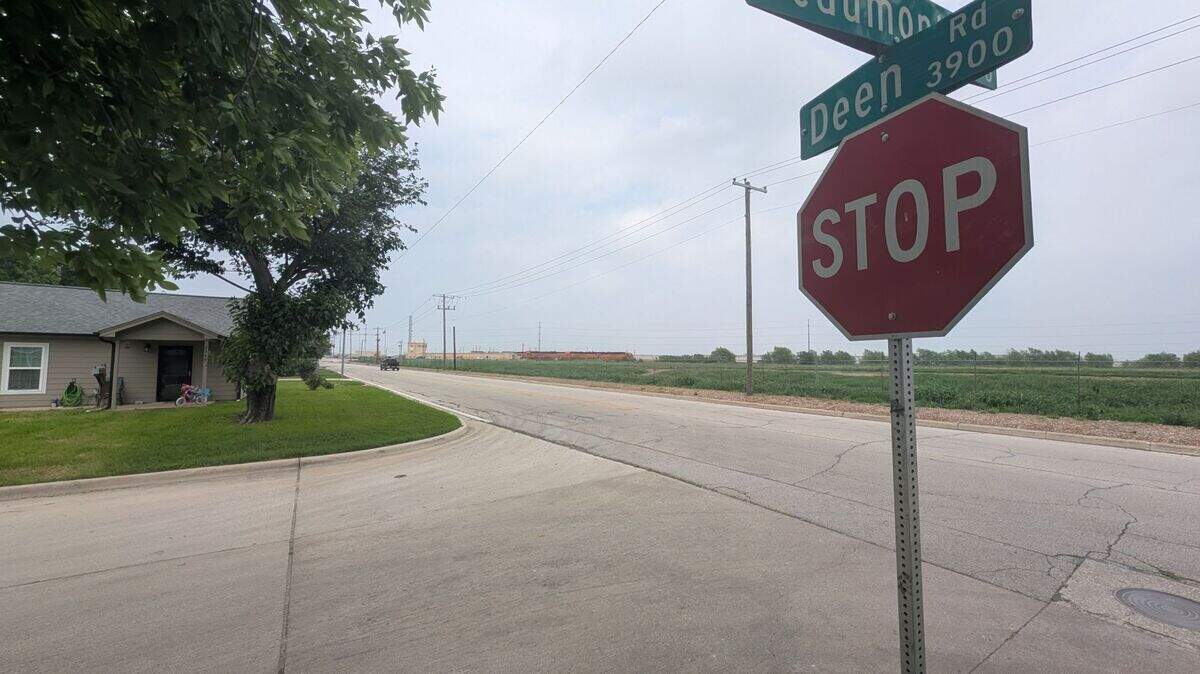
The Fort Worth City Council voted unanimously at its June 9 meeting to deny a proposal for a permanent concrete batch plant to operate near homes and an elementary school.
The vote comes a little over a month after the council delayed a decision on a special permit for the plant to give city staff more time to review the project.
Farmers Branch-based MM Deen 28 proposed putting the plant at 3800 Deen Rd., next to BNSF’s North Yard, in the Diamond Hill neighborhood of north Fort Worth.
The property line for the 4-acre plant would have been 335 feet to the east of the nearest single-family home and 1,126 feet north of the recently renamed Esperanza Elementary School.
Project representative Joe Passanisi told the city council on Tuesday the property owner planned to use trees as a buffer both from nearby homes and as added protection to prevent school children from accessing the site.
“We’re doing everything we can to make sure it is not an eyesore,” Passanisi told the council.
The land-use rules for the site would have already allowed a batch plant to set up shop; however, the city of Fort Worth passed new rules in June 2024 requiring batch plants to get a special permit before being allowed to operate.
Passanisi pointed to the underlying land-use rules allowing batch plants to argue in favor of the project.
“With all the growth in the area, we feel this is the perfect opportunity for a location,” he said, referencing the site’s proximity to the nearby rail yard.
District 2 city council member Carlos Flores, whose district includes the site, noted he’d been in communication with neighbors who expressed concerns about the project.
In explaining his vote to deny the batch plant, Flores cited its proximity to homes and Esperanza Elementary School.
Though the site was annexed by the city in 1956, the area around it had been zoned for heavy industrial uses since 1940, Flores said in a text message to the Star-Telegram.
“This suggests that this site has been zoned heavy industrial for 70 years since annexation. However, the area’s development is changing from heavy industrial uses,” Flores said.
Passanisi declined to comment on the council’s decision following the meeting.
Concrete batch plants are usually built close to construction sites and make concrete through mixing cement with sand and gravel. They’re regulated by the Texas Commission on Environmental Quality to ensure proper safeguards are in place to prevent microscopic cement particles from causing health problems to nearby residents.
Concrete batch plants, have faced stiff opposition in the past over concerns about health impacts and air quality.
However, in a fact sheet shared with the Star-Telegram ahead of the June 9 vote, Texas Aggregates and Concrete Association noted that batch plants are required to suppress dust and many go above and beyond to ensure particles don’t get released into the environment.
.jpg)