Fort Worth to weigh local data center regulations as residents call for moratorium
Will Fort Worth join cities across Texas and the United States in implementing development standards for new data centers later this year, or perhapsenact a temporary moratorium on the projects?
That was the question that Fort Worth City Council members began the process of weighing on June 2, during a long-awaited presentation on data centers from Fort Worth Assistant City Manager Jesica McEachern during the city council’s work session meeting.
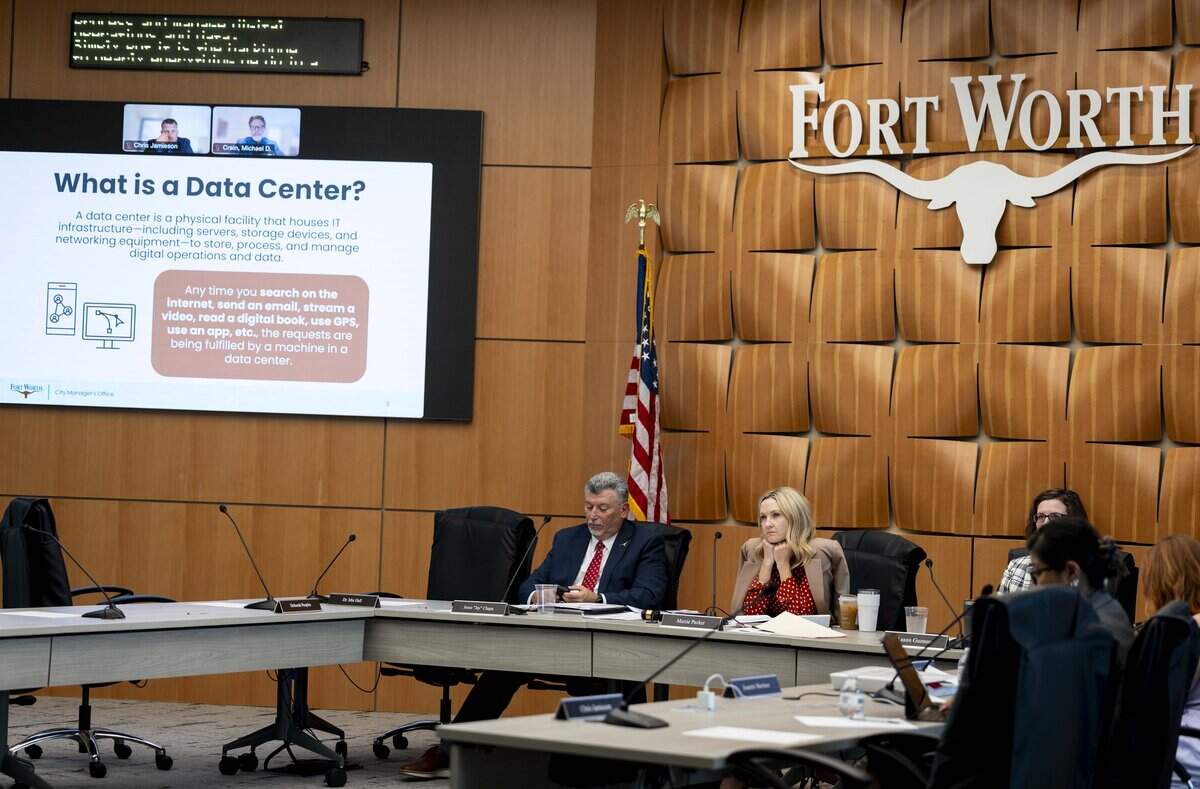
Data centers have become an increasingly prominent topic at Fort Worth City Council meetings as the developers behind multi-billion dollar projects have come to the city for rezoning requests and tax agreements.
Meetings on the southeast and southwest edges of Fort Worth have been filled with residents expressing concerns about the environmental and health impacts of data center projects, as leaders in nearby cities struggle to get a seat at the table with developers.
The presentation was put together at the request of city council member Michael Crain earlier this year, with the goal of paving a path forward to balance potential economic development with those concerns from residents.
The company Edged has been developing a data center near the intersection of Interstate 20 and Chapin School Road, located in Crain’s council district.
McEachern outlined the economic impact of data centers before detailing current city regulations that pertain to them, then outlined new proposals for amendments to the local zoning code, noise regulations, water requirements, and a new strategy for economic development proposals for data center developments.
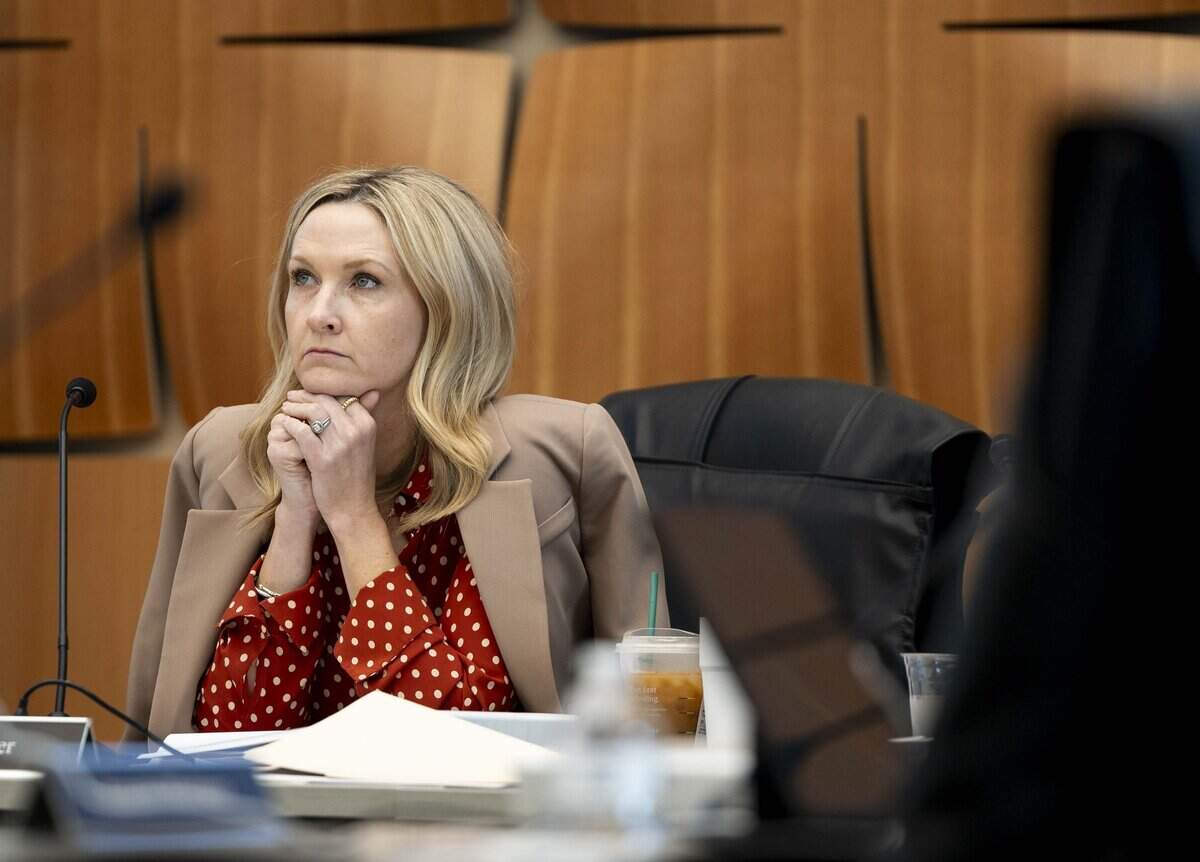
There are four currently operating data centers in the city, according to the presentation, made up of 10 buildings totaling approximately 3 million square feet. One data center is under construction in city limits, with four others proposed. Two data centers are proposed in the city’s extraterritorial jurisdiction.
Data center developers have flocked to Texas, McEachern said, for the state’s business-friendly environment and faster permitting timeline — and bringing them into city limits can allow local governments to have more control over developments than if a developer chooses to build on unincorporated county land.
“Anytime a data center development is inside the city of Fort Worth, we have the opportunity to have oversight and say in that development,” McEachern said. “Any of these developments that are outside of our city limits, we have zero say and regulatory oversight in that development.”
The city of Fort Worth does not currently have any standards specific to data centers, McEachern said. They are allowed in industrial zoning districts.
City takes a stand against crypto currency mining
City staff are proposing a list of changes, which include prohibiting crypto currency mining as a primary use, increased setbacks, “acoustic barriers” to help prevent the noise that can accompany data centers, and creating parameters for the backup generators that data centers use.
McEachern also presented the city’s proposal to restrict the noise from data centers, and a plan to regulate both the wastewater generated by data centers and the water that the developments would use. Under the proposed guidelines, all new data center developments in the city would be required to use a “closed-loop” cooling system for the data center’s computers, a newer technology that can use less water.
After reviewing the proposed strategies for zoning and utilities, McEachern shared a proposed strategy for economic development negotiations with data center developers interested in getting incentives from the city.
Under the proposed structure, developers wanting economic incentives for data center developments would be required to put up a $500 million minimum initial investment — and specify the “end user,” or what company will be using the data center.
“In other words, you have to tell us who’s really going to go there,” McEachern explained to city council members. “We’re not going to incentivize a speculative development that doesn’t know yet who’s going to be operating at that site.”
Additionally, developers would have to demonstrate that the data center project has made “substantial” progress through the ERCOT interconnection progress.
These proposals could go to the Fort Worth Zoning Commission in July, McEachern said, and to the City Council in August.
“Let’s take action, let’s go ahead and get there, let’s be the leader,” McEachern said. “Let’s hopefully set up a model that other cities can also look at.”
Fort Worth could enact a moratorium
If city leadership wanted one, McEachern said, a 90-day moratorium would be on the table — but not until late October.
“Y’all have received a lot of emails and asks urging you to adopt a moratorium to give you time to consider these, to consider what development regulations you should have for a data center, and I want to just reiterate that that is a tool that is afforded to you under state law,” McEachern said.
The moratorium would only be for new developments, and it couldn’t happen until October because of new state guidelines that lengthened the process of implementing a local moratorium.
After the work session, a group of residents and local activists gathered outside City Hall to call for the city to issue a moratorium on data centers to take a “defined pause.”
“The public deserves answers,” said Ann Zadeh, the executive director of Community Design Fort Worth, an urban planning nonprofit organization. “Data centers are a major industrial facility with real impacts on water, energy, noise, and long-term land use. Cities across the country have paused approvals to study these issues. That’s simply good planning.”
Beck against incentives for data center developers
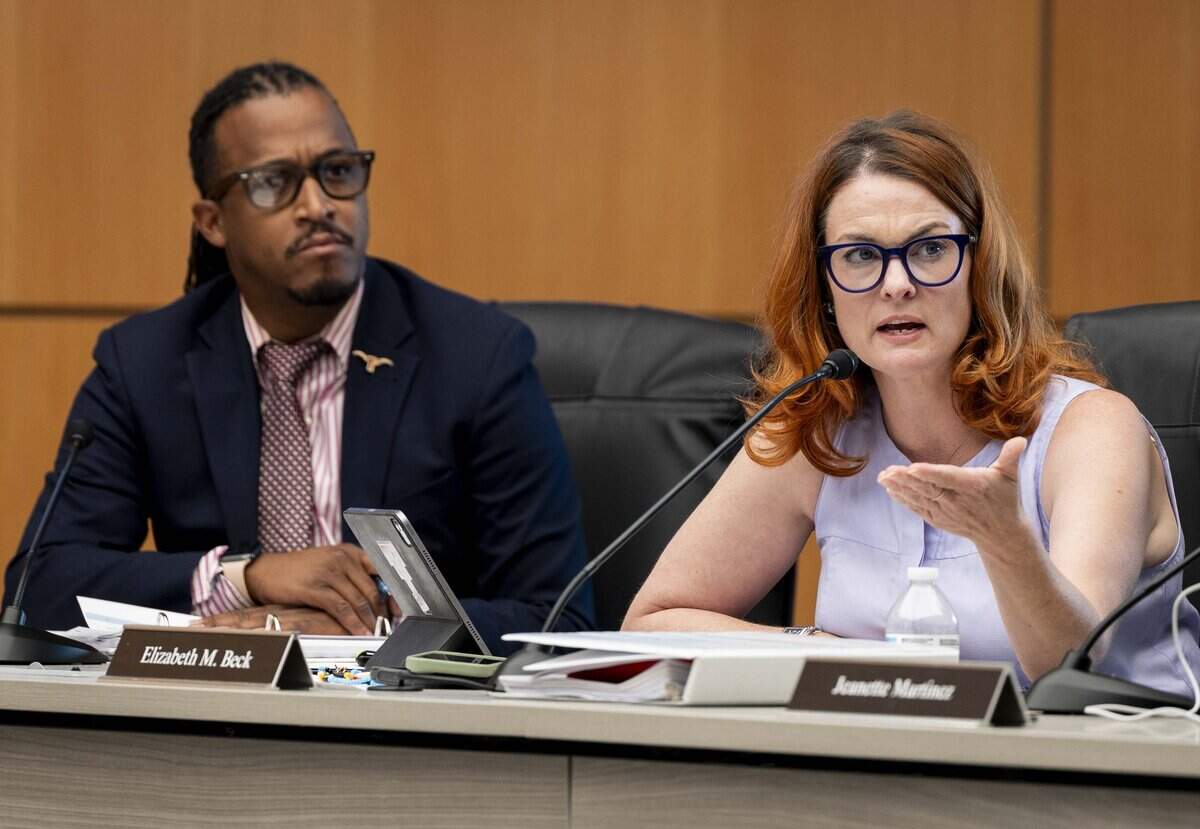
After the presentation, council member Elizabeth Beck told McEachern that she was not in favor of offering data center projects tax incentives.
“We’re the 10th largest city, and we shouldn’t be behaving like a pick-me girl,” Beck said. “If they want to come to Fort Worth, if they’re so needed, then they’ll come, and if they’re so needed and they need an incentive, they can go somewhere else … I just don’t think that it’s good city policy to provide economic incentives to these organizations.”
Crain, the council member who requested the presentation, said in a written statement that the city was “leading the way.”
“Today’s work session shows Fort Worth is serious about getting data center development right the first time,” Crain wrote. “We will have a robust discussion with residents to get their feedback on these proposals and how we move forward.”
With the presentation complete, the focus will now turn to holding discussions with residents in smaller settings, including an open house in late June. The zoning commission is scheduled to review proposed zoning amendments related to data centers on July 8, with the City Council expected to take action on those amendments plus other proposed changes on Aug. 11.
This story was originally published June 2, 2026 at 10:31 PM.