
Protests are prevalent, but do they work? A Texas professor weighs in
One of the most fundamental rights in a free and open democracy is the right to peaceably assemble and protest. In the 1960s, protesters took to American streets demanding social change, political change and an end to war, and it seems as though we’ve entered a new age of unrest over the past few months with mass protests against the Trump administration, like the nationwide No Kings demonstrations on June 14.
In 1963, American legal scholar and Yale professor Thomas Emerson wrote that this type of free expression “operates, in short, as a catharsis throughout the body politic.” In other words, protesting allows us to purge ourselves of emotions, like anger and frustration, that might otherwise remain pent up, perhaps to the detriment of a cohesive society.
But are rallies and demonstrations merely a way to “let off steam,” as Emerson put it? Can they actually be a catalyst for change? Or has the state power structure simply become too big and too entrenched to be swayed by people with signs and bullhorns?
What history says
You can certainly point to many successful protest movements in our nation’s history, beginning with the protests against British taxation that gave birth to the American Revolution. Fair treatment of workers, women’s suffrage and civil rights were all achieved through mass demonstrations.
More recent protests for a higher minimum wage and protests against police brutality following the deaths of minorities at the hands of law enforcement have brought awareness to these issues and have been at least partially successful in spurring change.
But as for the question of what ultimately makes a protest successful, the answer is complicated.
An academic perspective
Kelly Bergstrand, associate professor of sociology at the University of Texas at Arlington, has for years studied social movements. She said a major factor in whether coordinated protests are successful is the political environment in which they occur. Are the people in power sympathetic to the protesters’ goals? If so, there’s a good chance of success. If not, calls for change are unlikely to influence policy.
The goals themselves are another factor, said Bergstrand.
“I think a lot of people fixate on social movements having federal change, national change, and that’s not necessarily where we see the changes,” she said. “You can see changes at local levels, city levels, state levels. You can have corporations changing practices.”
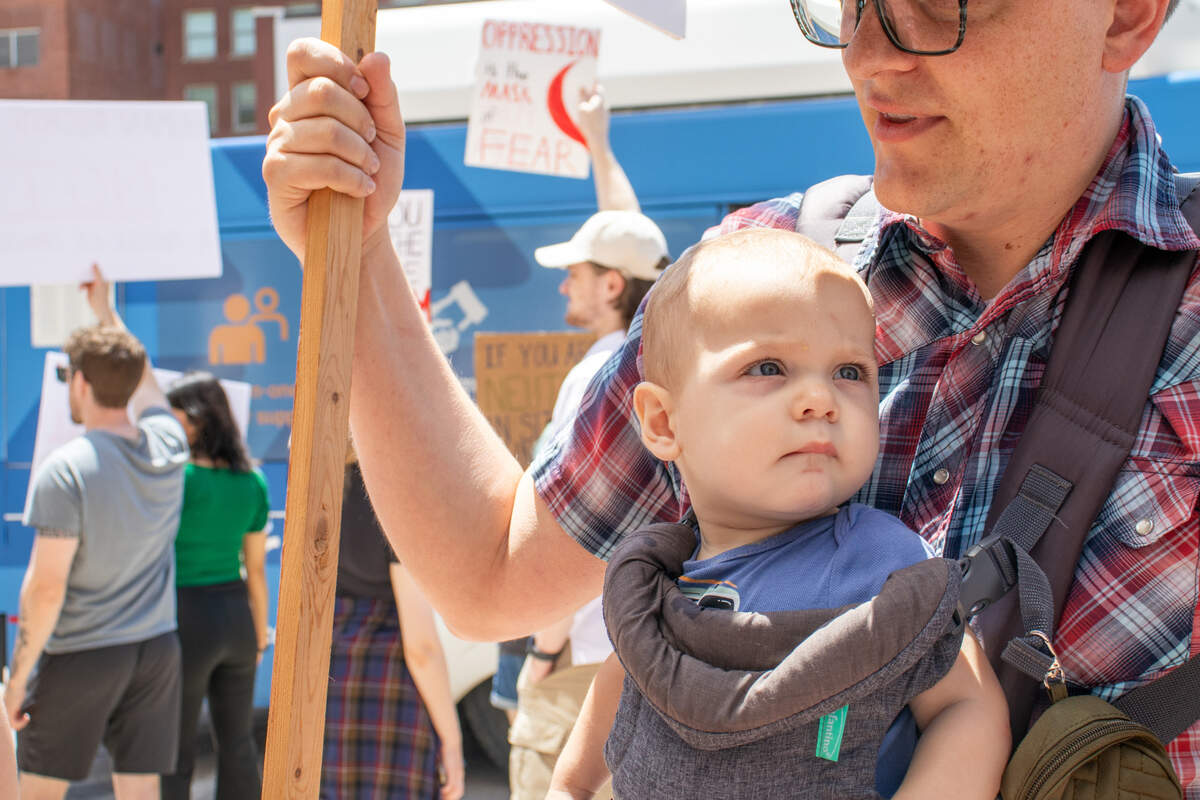
Unsurprisingly, it’s hard, Bergstrand said, to achieve large-scale goals like ending racism or bringing about world peace. However, protests do often achieve goals that go largely unnoticed but are nonetheless impactful in the long run.
“When people engage in protest, there’s a lot of hope,” said Bergstrand. “You want something to change. No one’s listening to you, and you go out there with a lot of hope. When the nitty gritty actually settles, it’s not a transformed world nine times out of ten. But it’s these little micro changes that take a long time. You know, maybe your coworker has a different conversation with you at your desk than they might have five years ago. Maybe a TV show portrays actors and actresses a little differently.”
Bergstrand believes the Black Lives Matter protests against police brutality were an example of that. She said the movement’s organizers perhaps didn’t achieve all they set out to achieve, but several cities across the country adopted new policies, like banning police choke holds, that reflect a shift in mindset.
The 2011 Occupy Wall Street protests, where activists rallied against wealth inequality in America, were another example of this. The Occupy movement has been criticized for being disjointed and not having sufficiently specific goals, but experts agree that it did, at the very least, open up a conversation around income disparity that continues today.
Protests against the current administration
Oftentimes, Bergstrand said, social movements take time to gain momentum and influence. The civil rights movement was most fervent from the mid 1950s to the late 1960s, but in some ways it continues today. Scholars point to the Seneca Falls Convention in 1848 as being the start of the women’s suffrage movement, but women didn’t get the right to vote until 1920.
Only time will tell, then, if this year’s demonstrations will achieve their goals. But they do have two ingredients that Bergstrand said help a protest movement’s chances of success: numbers and a well-defined focal point.
The focal point is, of course, President Donald Trump and his administration’s policies related to things like immigration, the economy and federal spending. As far as numbers, multiple media outlets reported that more than 5 million people attended last weekend’s No Kings protests around the country, citing estimates from organizers. That included thousands here in North Texas.
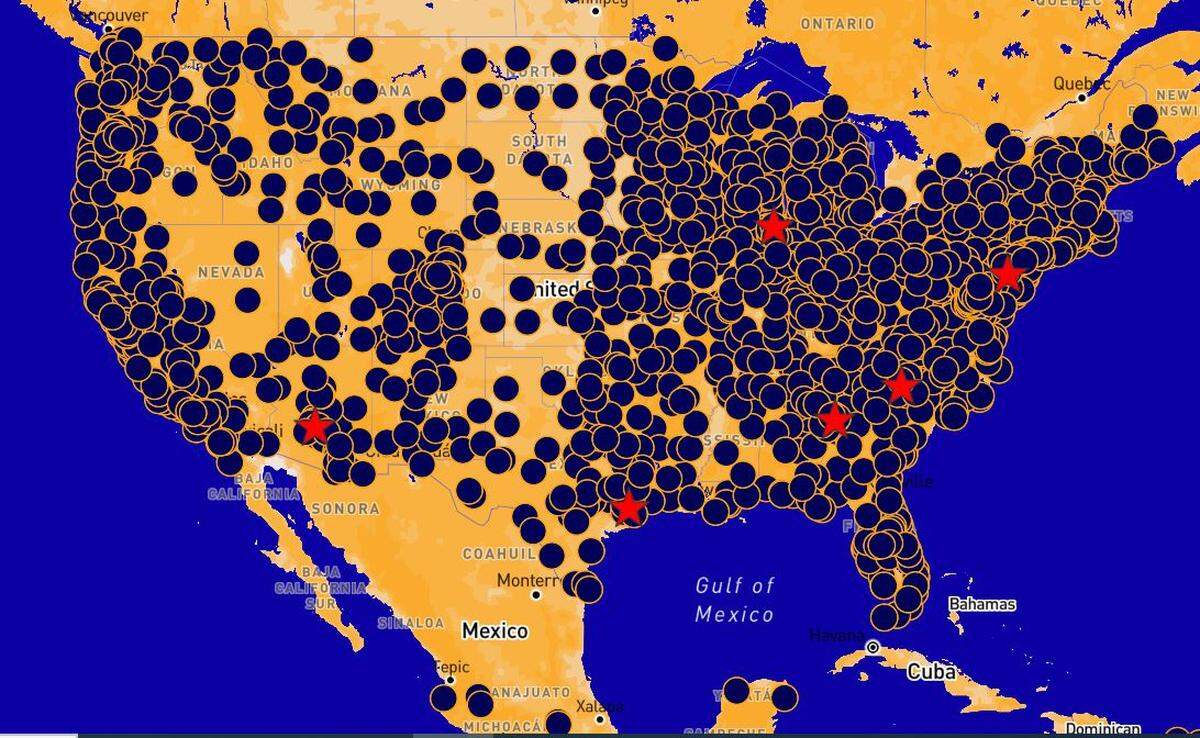
Other recent protests against U.S. Immigration and Customs Enforcement deportations have garnered anywhere from thousands to just a handful of people at events in more than a dozen states, including Texas, according to NBC News.
The more people they have, the more attention these protests get, and the more attention they receive, the more likely they are to force the people in charge to take notice, either out of fear of political reprisal or fear over the cost of simmering resentment in the country.
The role of violence
While Americans are guaranteed the right to peaceful assembly, in some cases protests do turn violent. On June 10, the city of Los Angeles enacted a curfew to combat looting and vandalism during anti-deportation protests. There were also reports of demonstrators hurling objects at police.
Hundreds of active-duty U.S. Marines and thousands of National Guard troops were deployed to Los Angeles to help maintain order. But many, including California Gov. Gavin Newsom, called these deployments unnecessary, saying they further inflamed tensions.
According to a June 9 BBC report from the Los Angeles protests, “law enforcement used tear gas, rubber bullets and flash bangs to control the crowd.”
Bergstrand said violence of this kind gets people’s attention, so more people are more likely to see what’s happening. But violence on the part of protesters is often viewed negatively, whereas police or military violence against protesters can make people more sympathetic to the demonstrators’ cause. As for whether peaceful protests are more successful than violent ones, Bergstrand said “it’s honestly a mixed bag.” According to her, it all depends on the situation.
When Erica Chenoweth, a Harvard professor, looked at more than 100 years of protests, she and her fellow researchers discovered that nonviolent political protests were twice as effective as ones that relied on violence.
Protest as a pressure valve?
As for Thomas Emerson’s belief that protests are a way of blowing off steam, Bergstrand doesn’t necessarily see it that way. She sees it as a legitimate way for everyday people, especially marginalized people, to have a say in things.
“Protesting is for people who feel like they have no other choice to have their voice heard,” said Bergstrand. “It is the power of the people, because a lot of people are excluded from political systems. They don’t have the political power, the money and the access.
“So for people who are experiencing a political closure, meaning their particular politicians are not listening to their agenda, this is it. This is the only route they have access to. So, in some ways, when you’re talking about the effectiveness of protests, it also needs to be compared to the people engaging in it. I’m sure it’s probably not as effective as having $200 million to fund congressional races. But (protesters) don’t have $200 million. What they have is their voice and their body. That’s it.”
This story was originally published June 18, 2025 at 10:27 AM.