
Fort Worth LGBTQ+ marker applicant plans to restart process following rejection
.JPG "The applicant for Fort Worth’s only LGBTQ+ history marker plans to resubmit plans in 2026. Here, Gay Pride flags are planted at TCU in this file photo.")
Despite initial rejection to his request for a historical marker documenting the LGBTQ+ corner of Fort Worth, the applicant said he fully intends to submit another request.
The process, which takes about nine to 18 months, starts with an application submitted to the Texas Historical Commission in the spring. Two years of work to get the city’s first historical marker commemorating the history of the LGBTQ+ community came to halt when County Judge Tim O’Hare’s letter to the state historical commission revoked initial approval of the application.
Now, the process will have to start over from the beginning. Todd Camp, founder of the Tarrant County LGBTQ+ history preservation group YesterQueer, helped with the first application. He said he will take the lead in the spring.
In 2023, Camp said he was approached by city of Fort Worth staff to begin working on the first application for a historical marker. The initial conversation stemmed from a throw-away comment he had made about Dallas County getting the first and only LGBTQ+ historical marker in Texas.
Camp said the city spearheaded the effort and that he helped by supplying research.
“I’d written a chapter for the handbook of Texas about LGBTQ Fort Worth which they used as a springboard for the information that might be on the placard,” Camp said. “And we went from there and communicated back and forth over the next several months or a year or so.”
Valerie Colapret, a spokesperson city of Fort Worth, said the historical marker application was initiated by city staff in February 2024, recognizing the cultural and historical significance of the site to residents of Fort Worth and North Texas, especially those in the LGBTQ+ community.
She said it is atypical for city staff to initiate historical marker applications. Usually, Colapret said, the applications are led by residents or elected officials.
In May, Camp learned that the application had been approved for Marker 24324. From there, the team would move on to determine what would be written on the marker originally set to be placed at 651 S. Jennings Ave., though it would not mention the events that transpired there.
Determining placement and content of the marker
The plot, now vacant, was previously the site of the 651 Club. The LGBTQ+ bar opened in 1969 and was renamed to the Rainbow Lounge, which was infamously raided days after opening in 2009 by police and Texas Alcoholic Beverage Commission agents.
The raid not only resulted in a few public-intoxication arrests and one patron’s trip to the hospital, but was also the catalyst for change in Fort Worth’s relationship with the queer community. The building burned down in an accidental fire in 2017.
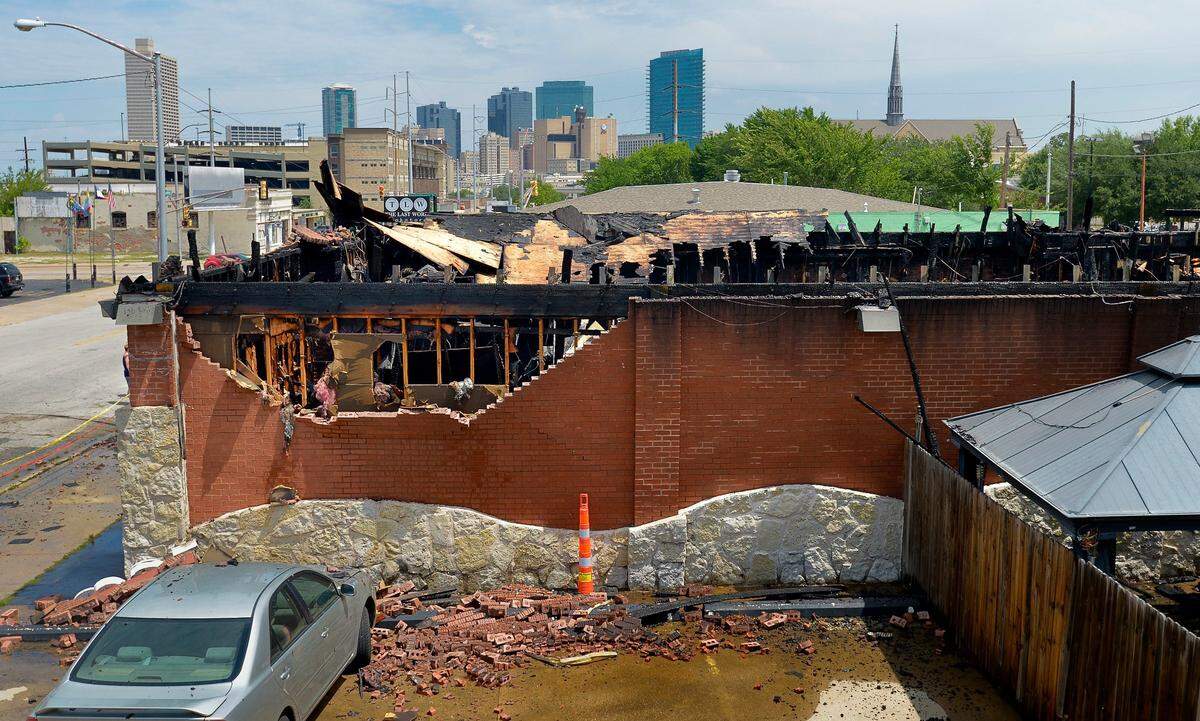
The block is now privately co-owned by Tom Malone and Subir Bhatia, who plan to build a mixed-use development there. Malone said he hadn’t heard anything about the historical marker until the Star-Telegram reached out to him.
Camp said because the marker doesn’t mention the Rainbow Lounge or the raid, he would consider moving the location of the marker elsewhere if the owners were opposed to it being on their property.
According to the Texas Historical Commission, historical events cannot be commemorated until 30 years have passed. With the raid having happened in 2009, a historical marker mentioning the event could be applied for once July 28, 2039 has passed.
“It’s really going to be about how the neighborhood has been the home to the LGBTQ community for, you know, as far back as ‘69 if not before,” Camp said.
County intervention freezes the marker’s progress
While the marker’s verbiage was being determined, O’Hare sent a letter to the Texas Historical Commission on May 12 asking that the marker approval be rescinded as “full and appropriate authorization from the Tarrant County Historical Commission was never granted.”
O’Hare’s letter, obtained by the Fort Worth Report, later states: “Instead, email authorization was given unilaterally by a single committee member — acting independently and without the consensus or input of the full Commission — to City of Fort Worth employee Lorelei Willett. This action bypassed established precedent intended to ensure fair, transparent, and collective review of historical marker submissions.”
Coletta Strickland, a former Tarrant County Historical Commission chair, said O’Hare’s letter “was not truthful.” She said county historical commissions only serve as a mediator between applicants and the Texas Historical Commission. The county historical commission reviews applications for completion and points applicants toward where they can research their topic.
“The thing I want to reiterate again and again and again is the County Historical Commission has no approval authority on a marker. None,” Strickland said.
She said it’s completely out of left field for a commissioner or county judge to interfere in the process for a historical marker.
Chris Florance, director of communications for the Texas Historical Commission, said the commission did not do its own investigation into whether or not the proper procedure was followed because “the county judge has authority over the county historical commission.”
He directed the Star-Telegram to contact Tarrant County for details on why O’Hare withdrew the application, but his office did not respond to a request for comment.
Colapret said the county historical commission flagged the historical marker and notified the city that “it did not follow the county’s process.
“The city manager, after reviewing with staff, asked for the application to be rescinded because there was no public process or formal external request for submitting the application,” Colapret said.
A long LGBTQ+ history
Camp said the first time around, the original group of applicants followed the process according to every rule that was made available to them. When he resubmits the application for the next cycle, he said he will be meticulous and by the book.
“If they think this is going away or that we’re just going to give up and throw up our hands, no. We’re not going to go away,” Camp said. “Just like the community we’ve always been here, we’re not going anywhere. And this isn’t going anywhere.”
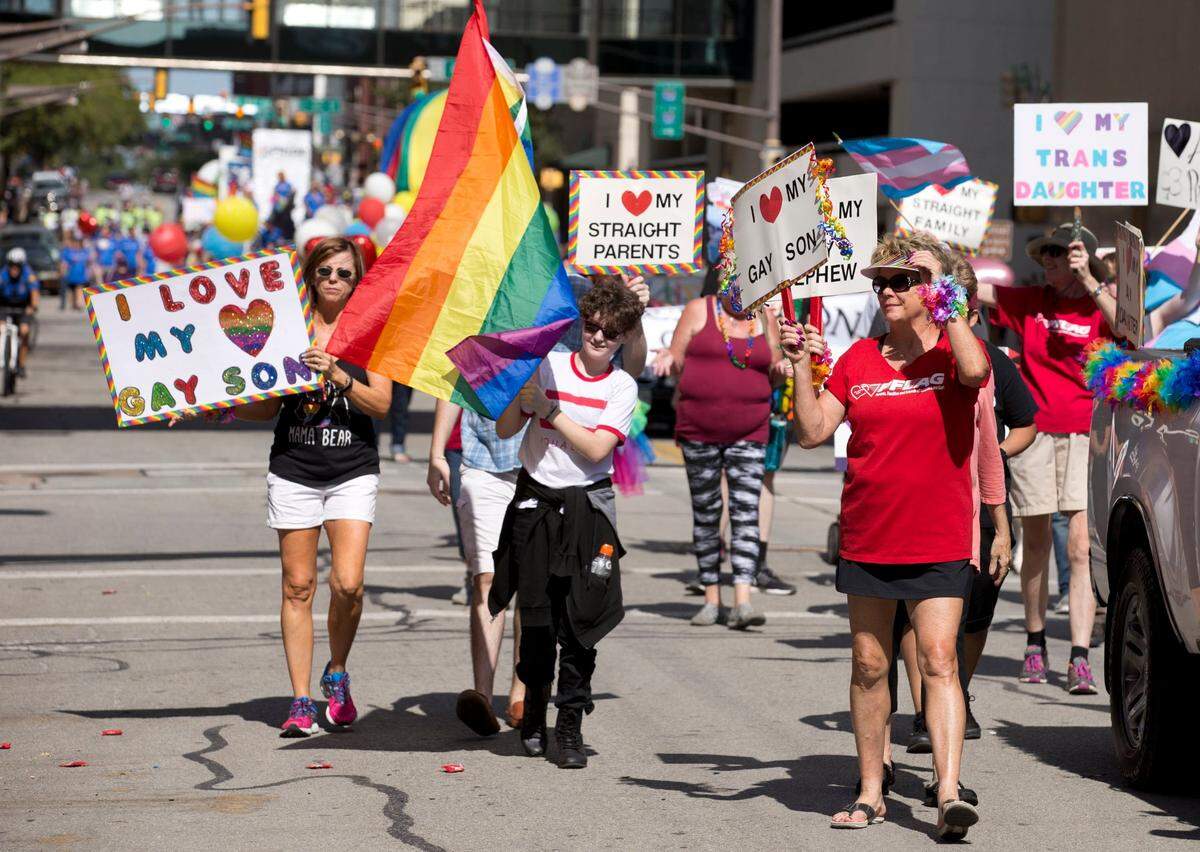
Equality Texas Communications Director Johnathan Gooch said there is a long LGBTQ+ history in Texas that should be preserved. Equality Texas is an Austin-based non-profit that advocates for LGBTQ+ rights and fights against anti-LGBTQ+ legislation in Texas.
“There was a drag bar down the street from the Alamo 100 years ago,” Gooch said. “So much of this history has been lost over time or cherished in small communities.”
Gooch said O’Hare’s letter stunting the progress for the LGBTQ+ historical marker fits into a larger issue that is playing out state-wide. He pointed out that over 200 anti-LGBTQ+ bills were filed in the Texas Legislature this session, with six new bills that will directly affect the LGBTQ+ community.
“The legislation would erode a lot of the rights that LGBTQ people have in the state of Texas, and pulling back this historical marker in a parallel way, sort of chips away at the spirit of the community,” Gooch said. “There’s something so powerful about the city, the county, the region, locally, cherishing community members’ places that have been safe havens for queer people through many years of struggle.”
He said he hopes more Texans tune into what is happening in Tarrant County and speak out because “if one community’s history can be erased, anybody’s can.”
“Texas is one of the most diverse states in the country,” Gooch said. “We have so many cultures that have immigrated from all over the world. We have so many communities within those cultures. We have the second largest queer community in the country. So when one community starts to be targeted and their history erased from school books, from classroom discussion and from historic markers on the street, that poses a danger to everyone who has history here in Texas.”
This story was originally published June 24, 2025 at 4:59 PM.