Bookstores brace for legal risks as Texas House targets ‘harmful’ content in new bill
Texas lawmakers are once again stirring controversy over books—this time by targeting bookstores.
A new bill introduced in the Texas House would hold bookstores liable for “damages arising from the distribution, transmission, or display of harmful material to a minor.”
Supporters of the bill argue it’s a necessary step to protect children from exposure to inappropriate material outside the classroom. Business owners, free speech advocates and parents who believe they should have the right to choose what their children read are concerned.
If passed, the legislation could open the door to a wave of lawsuits, with bookstores facing financial penalties simply for having certain titles on their shelves. Here’s what you need to know.
Who’s behind the bill?
House Bill 1375, introduced by Fort Worth Republican state Rep. Nate Schatzline, would allow parents or minors to sue bookstores and other commercial businesses if they distribute or display material deemed “obscene” and accessible to minors.
“As lawmakers, we have a duty to safeguard families and children from exploitation and from the unchecked spread of harmful material in our communities and offline,” Schatzline said during a hearing for the bill.
Under the proposal, each instance of exposure could result in a separate lawsuit, along with mandatory payments for damages, legal fees and court costs.
The bill follows a wave of book restrictions in GOP-led states.
What does the bill say?
If passed, HB 1375 would open bookstores to civil liability if they’re found to have made “harmful material” available to minors, even inadvertently. The bill defines this as anything “readily accessible” to children that includes graphic content or “harmful material” featuring a minor in any visual or audio form.
Critics warn the bill could have a chilling effect on booksellers by encouraging self-censorship and placing the burden of interpreting vague standards on business owners.
The proposed law does carve out exceptions for traditional media outlets like newspapers, magazines and television stations, but not for bookstores, libraries or other literary spaces.
As of this writing, the bill is pending in committee in the House.
What are people saying about the bill?
Book advocates and civil liberties groups have condemned the proposal as overly broad and punitive. They say it could flood small bookstores with lawsuits over books that are protected by the First Amendment and widely available elsewhere.
Critics say the move goes beyond school library bans, threatening independent bookstores and the freedom to read. Here’s what you need to know.
In an April 21 post on X, the Texas Freedom to Read Project said: “The increased risk of lawsuits will make it harder for retailers to do business in our local communities and in Texas as a whole. What school district is going to work with a bookseller accused (falsely or not!) of distributing ‘harmful materials to minors?’”
Schatzline has publicly stated that his goal is to prevent minors from accessing “explicit” books in commercial settings.
“This bill will STOP obscene online content, obscene books, & social media companies who choose not to age verify, from robbing our children of their innocence,” he said in an April 24 post on X.
What are local bookstore owners saying?
Independent bookstores across Texas are raising alarms about the financial and legal risks this bill could create if passed.
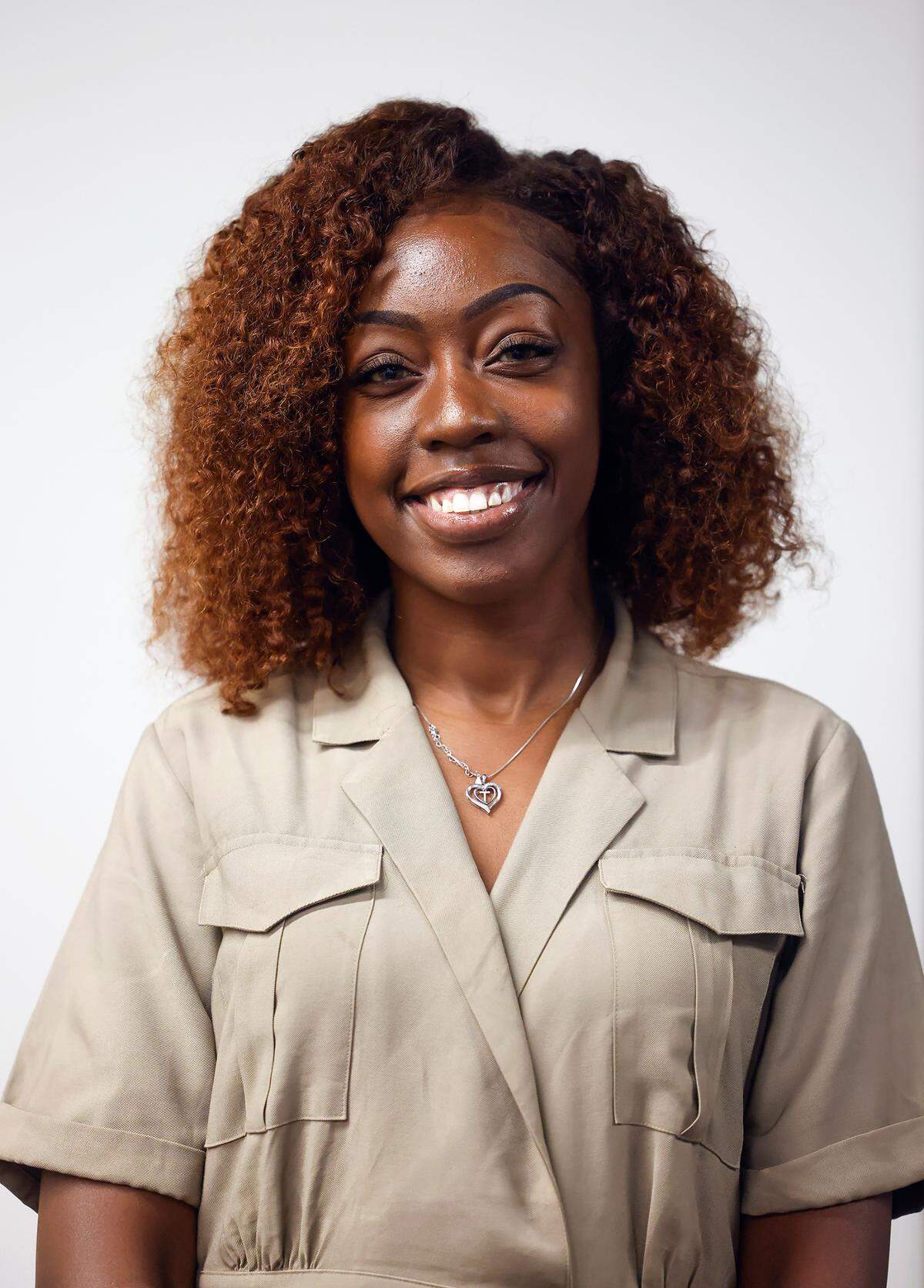
Donna and Donya Craddock, owners of The Dock Bookshop in Fort Worth, said the impact won’t stop at bookstores and that the bill could hurt social organizations, too.
“All of the corporate organizations that we work with could be impacted because it’ll create a blemish on the business. This bill compromises how we do business, how we interact with our community, and whether or not the bookstore will be in business,” Donya Craddock said.
The Craddock sisters said they already take care to shelve books by age-appropriateness, but worry that the bill’s vague language could subject them to lawsuits from individuals who simply disagree with a book’s content.
“The word ‘obscene’ can go any direction because since there are many personalities and social behaviors within society, anybody can be offended. So it is very broad and detrimental at the same time,” Donya said.
Donna Craddock fears the bill will discourage other bookstores from stocking certain titles altogether. She said it could create an information gap.
“It will be a huge information gap if no one sells books that talk about the different segments of society. It’s a scary thought, because imagine America without freedom of speech. That’s what that is,” Donna Craddock said.
This story was originally published May 2, 2025 at 4:09 PM.