
New fees go into effect Jan. 1 for Fort Worth residents. Here’s where you’ll see them
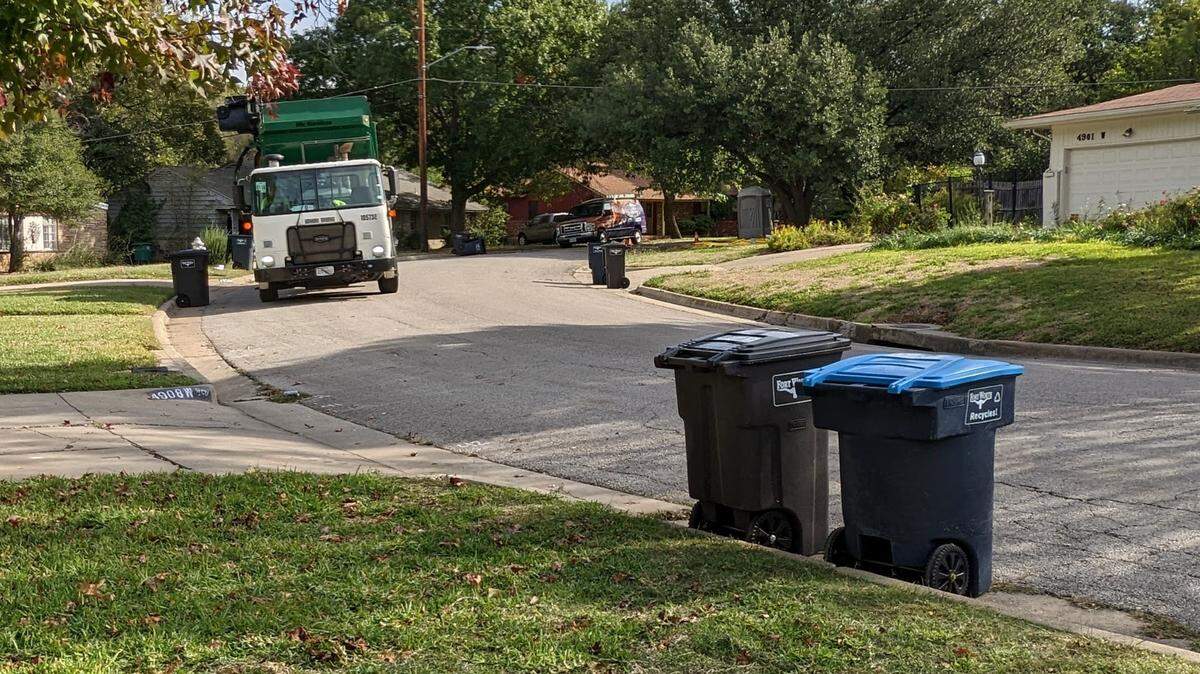
If you’re not careful, you could end up paying more on your Fort Worth trash bill starting Jan. 1.
Several fees and rate hikes approved by the City Council go into effect in the new year.
Most of the fees will go toward improvements for things like water pipes and storm drains.
Others, like the garbage fee, are passing along extra charges from vendors who pick up public waste.
Here’s what’s changing next year.
Garbage fee
The City Council approved a new fee in September charging residents $6 per for each overloaded trash or recycling cart, and $3 for loose bags left on the side of the road.
Carts will be considered overloaded if the lid is not securely closed, according to the city. Garbage bags not securely loaded into your can will be considered loose.
The new fees are intended to cover the city’s cost when it comes to extra bags and overflowing bins.
Right now the city can issue citations, but most of the time the city’s contractor, Waste Management, collects the extra trash and charges the city extra for each instance.
Starting in 2024, the city will use a combination of cameras and smart technology to figure out which house left out extra bags or overflowing carts before adding the additional fee to the monthly solid waste bill.
Residents will have the opportunity to contest the charge like they would a normal parking ticket.
Water Bill
Residents can expect to pay about an extra $2.18 on their monthly water bills after increases on water and wastewater rates go into effect.
Water rates will increase by 3.5% and wastewater rates will go up 2.9%. It is the first time these rates have increased since 2020.
The money will go toward replacing old pipes and improving the water infrastructure to deal with growth. The city funds these replacements through a special fund, which it uses to borrow money for improvements.
The city plans to spend $1.5 billion on improvements over the next five years, according to the water department’s capital plan. The largest expenditure is $324.7 million to waste water treatment plants.
This includes updates to the Village Creek plant and construction of the new Mary’s Creek plant.
Stormwater fee
The stormwater fee is the main way the city of Fort Worth pays for improvements to prevent the worst effects of flooding. Fort Worth is raising the fee by 15%, which will add roughly $6.61 per month to the average single family household water bill.
About 38% of Fort Worth properties face some kind of flood risk, according to city of Fort Worth data. Neighborhoods such as Linwood, near the intersection of West Seventh Street and University Drive, regularly see flooding from only a couple inches of rain.
The fee increase will help fund improvements in neighborhoods like Linwood, along with adding new crews to clean out storm drains ahead of a large storm.
The stormwater department plans to spend $120.6 million over the next five years, with the largest chunk going to improve drainage and erosion control, according to the department’s capital plan.
This story was originally published December 26, 2023 at 5:02 PM.
.jpg)