
Here’s how much Fort Worth property tax bills may go up, and how the city will spend it
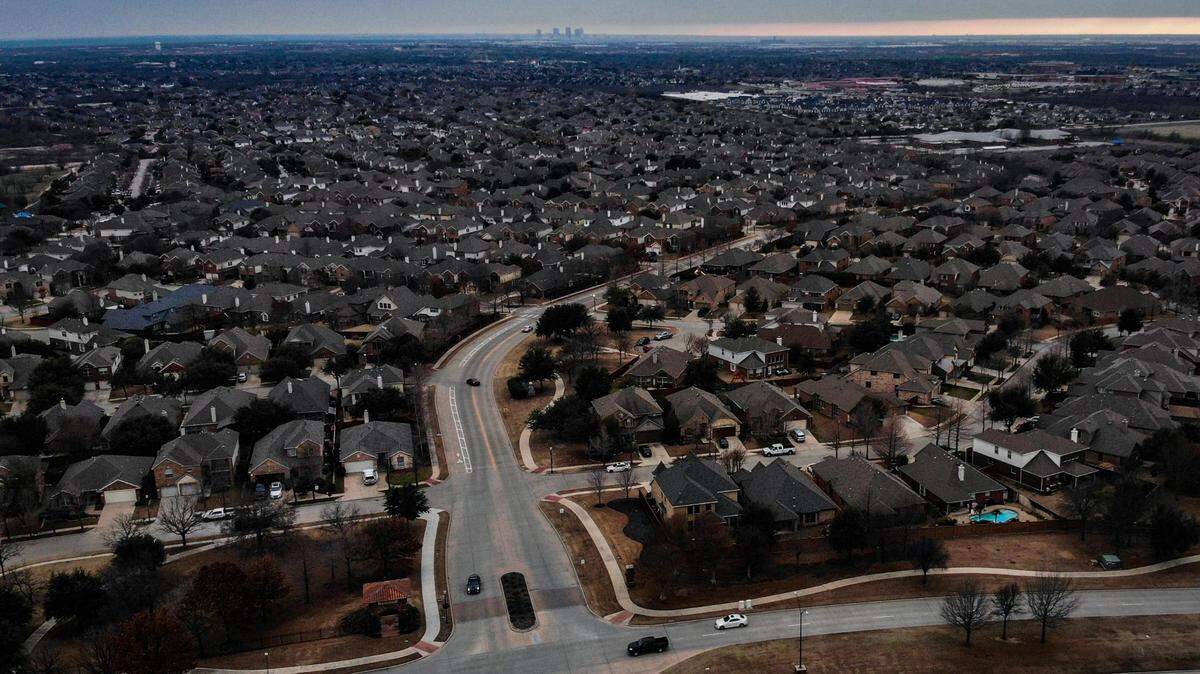
Fort Worth’s city manager is proposing to hire nearly 200 more police and fire personnel and put more money toward fixing streets.
City Manager David Cooke unveiled his proposed budget and property tax rate in a special budget session Tuesday. Many homeowners will see a higher tax bill next year because property values have risen nearly 15%.
Cooke’s proposed tax rate is 67.25 cents per $100 of value. The owner of a $350,000 home would pay $2,353.75 in property taxes.
The proposal lowers the city’s tax rate by 4 cents per $100, which the largest decrease since at least 2002, according to data on the city’s website.
Cooke said the funds are needed to build on the city’s progress of reducing crime while improving city services.
“Fort Worth’s growing population necessitates a city budget that is strategic in addressing the demands of expanding infrastructure, increased public services and effective urban planning,” Cooke said in a statement.
The budget calls for adding over 106 new employees for the Police Department and 76 new positions in the Fire Department. Most of the new police positions will be in the patrol division, but the city also proposes increasing staff for crisis intervention teams and homeless services units.
The budget also includes funds to increase staffing in the city’s transportation and public works department to improve road maintenance, and an increase of $2 million to the city’s priority repair program, which offers financial assistance to low-income residents for emergency home repairs.
Residents could also pay more in their water bills. The budget proposes increasing water rates by 3.5% and sewer rates by 2.9%. Cooke said this money is needed to address inflation along with increases in water rates from the city’s wholesale supplier.
The budget also calls for a 15% increase in the stormwater fee on residential water bills. This money would be used to build out infrastructure to address flooding along with maintaining the city’s existing flood prevention infrastructure, Cooke said.
This is the first step in the city’s 2024 budget process. The council will vote on the final budget and tax rate by the end of September, and could make changes to the proposals during that time.
District 10 council member Alan Blaylock made a push during the 2023 budget for the city to adopt a so-called “no-new-revenue” tax rate, which would generate the same revenue in 2024 from properties that were on the tax rolls in 2023.
The no-new revenue rate for the upcoming budget is 63.5374 cents per $100 of value. The owner of a $350,000 home would pay about $130 less than the city’s proposed tax rate. Blaylock wrote in a text Tuesday he prefers the no-new-revenue rate over the city’s proposal.
The council is scheduled to vote on the tax rate and budget by Sept 19.
This story was originally published August 8, 2023 at 11:18 AM.
.jpg)