Lt. Gov. Dan Patrick wants a Florida-style ‘Don’t Say Gay’ bill to be a Texas priority
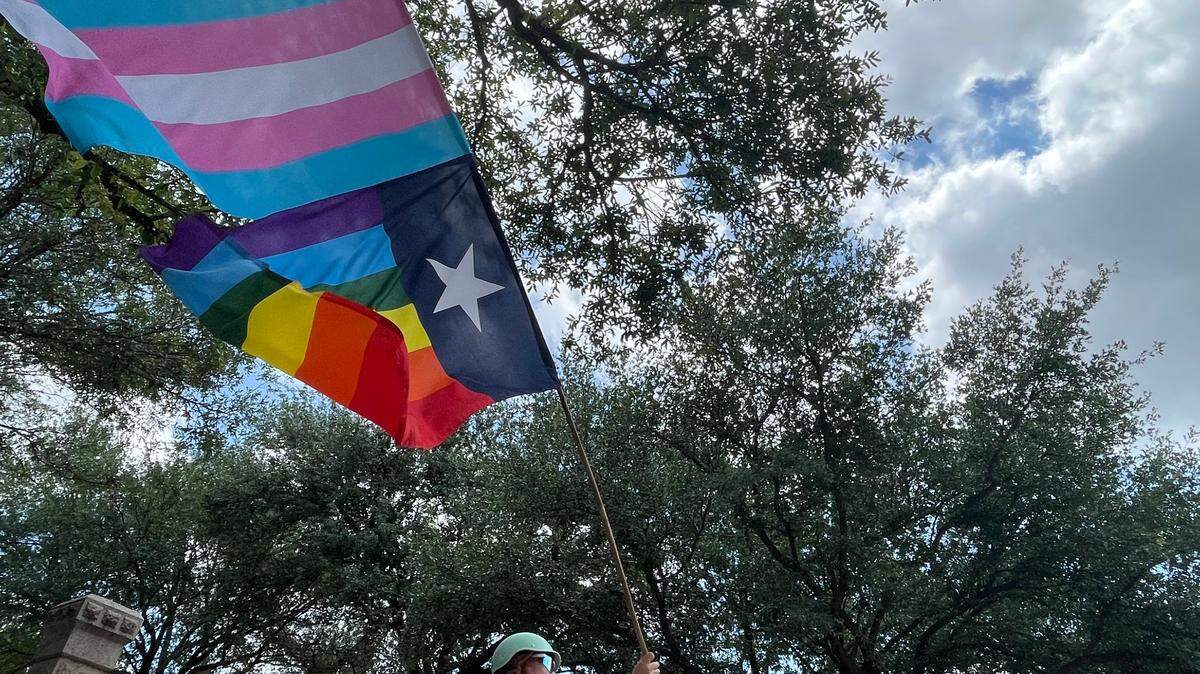
Lt. Gov. Dan Patrick wants to pursue a Florida-style “Don’t Say Gay” bill in Texas during the next legislative session, according to a Monday campaign email.
Florida Gov. Ron DeSantis signed the bill on March 28. The legislation — called the “Parental Rights in Education” bill but referred to as the “Don’t Say Gay” bill by opponents — bars classroom instruction on sexual orientation or gender identity for students in kindergarten through third grade or “in a manner that is not age appropriate or developmentally appropriate for students.”
“I will make this law a top priority in the next session,” Patrick said in the email.
Patrick’s campaign and office did not respond to a request for comment.
The law’s opponents include President Joe Biden, LGBTQ groups and a number of celebrities.
Patrick’s email took aim at The Walt Disney Company. Disney issued a statement condemning the law the day it was signed, saying it “should never have passed and should never been signed into law.” The company had been criticized by employees for not doing more to oppose the bill.
“Our goal as a company is for this law to be repealed by the legislature or struck down in the courts, and we remain committed to supporting the national and state organizations working to achieve that,” Disney said in the statement.
In Monday’s email Patrick said he was angered by the company’s “over the top resistance to a Florida law that simply says schools cannot sexualize children in elementary school.” Patrick called on the Senate’s Education Committee to address the issue in interim hearings ahead of the legislative session that starts in January.
Opponents of the bill say its vague language will lead to teachers not talking about gender inclusiveness in classrooms, regardless of grade level, according to the Miami Herald. DeSantis said the legislation is intended to enforce parental rights, the newspaper reported.
Patrick, a Republican, is running for reelection and advanced out of the March primary without a runoff. His general election opponent has not been set, as Democrats Mike Collier and Michelle Beckley are contending for a place on the November ballot in a May 24 runoff.
Lisa Daly, the secretary for PFLAG Fort Worth, an organization for LGBTQ people, their families and allies, said she believes laws like the one in Florida are intended to eradicate LGBTQ kids by not acknowledging them. She thinks good teachers would quit and kids would be traumatized by the policy.
She wishes elected officials would focus on issues like the electric grid, the environment and the teacher shortage “instead of wasting their time and energy picking on the least of us, LGBT kids.”
Ricardo Martinez, Equality Texas’ chief executive officer, said the group will fight to ensure a bill like the one in Florida doesn’t get passed in the coming legislative session.
“We know that LGBTQ people are part of every Texas community, and that includes every school, every family, and bills that stigmatize and isolate LGBTQ students and teachers damage the cohesiveness of classrooms and undermine the necessary learning process that takes place in schools,” he said. “No teacher should be fearful of providing a safe and inclusive classroom.”
The Star-Telegram reached out to Tarrant County’s state lawmakers about Patrick’s email, including Sen. Brian Birdwell, R-Granbury, Sen. Royce West, D-Dallas, Rep. Jeff Cason, R-Bedford, Rep. Matt Krause, R-Fort Worth, Rep. Tony Tinderholt, R-Arlington, Rep. David Cook, R-Mansfield, Rep. Craig Goldman, R-Fort Worth, and Rep. Giovanni Capriglione, R-Southlake. They did not respond to requests for comments.
Sen. Beverly Powell, D-Burleson, Rep. Charlie Geren, R-Fort Worth, and Rep. Nichole Collier, D-Fort Worth, declined to comment. House Speaker Dade Phelan, R-Beaumont, also declined to comment. A representative from the office of Sen. Jane Nelson, R-Flower Mound, said the senator was traveling but would send a statement if able to get one.
Sen. Kelly Hancock, R-North Richland Hills, said in a statement: “Parents’ right to teach their children about sensitive topics like sexual orientation when and how they see fit shouldn’t even be in question, but this fundamental, family-first principle is under attack. Anyone who reads the legislation will see the ‘Don’t Say Gay’ tagline is false advertising about a law that simply improves communication between schools and families and keeps formal instruction on gender identity and sexual orientation out of the classroom for young kids in third grade and below.”
The legislation includes measures related to notifying parents about their child’s mental, emotional, physical health or well-being.
State Rep. Stephanie Klick, R-Fort Worth, too advocated for “parental rights” in a statement sent by text to the Star-Telegram.
“The radical left seeks to undermine families and their values by attempting to force political propaganda and age-inappropriate materials on young children,” Klick said. “Parents need to be in the drivers seat in these decisions, and I will continue to fight for their right to have the final say in the upbringing and education of their child.”
She did not immediately return a message seeking examples of when children had inappropriate material forced on them.
Rep. Chris Turner, a Grand Prairie Democrat who chairs the House Democratic Caucus, said in a statement that Patrick can always be counted on “to find a new hateful cause to waste time on, instead of focusing on the real issues that matter to Texans.”
Rep. Ramon Romero, Jr., D-Fort Worth, expressed concerns about further restrictions creating teacher shortages following the passage of a so-called “critical race theory law” addressing how race and racism can be taught in Texas grade school and the removal of books from school libraries.
“These conservative fringe issues like the ‘Don’t Say Gay’ legislation only serve to win Republican primaries and hurt our state’s reputation,” Romero said in a statement sent by text. “And it is no coincidence which marginalized groups these laws affect.”
This story was originally published April 5, 2022 at 9:52 AM.