
Here’s what the social spending plan passed by the U.S. House could mean for Texans
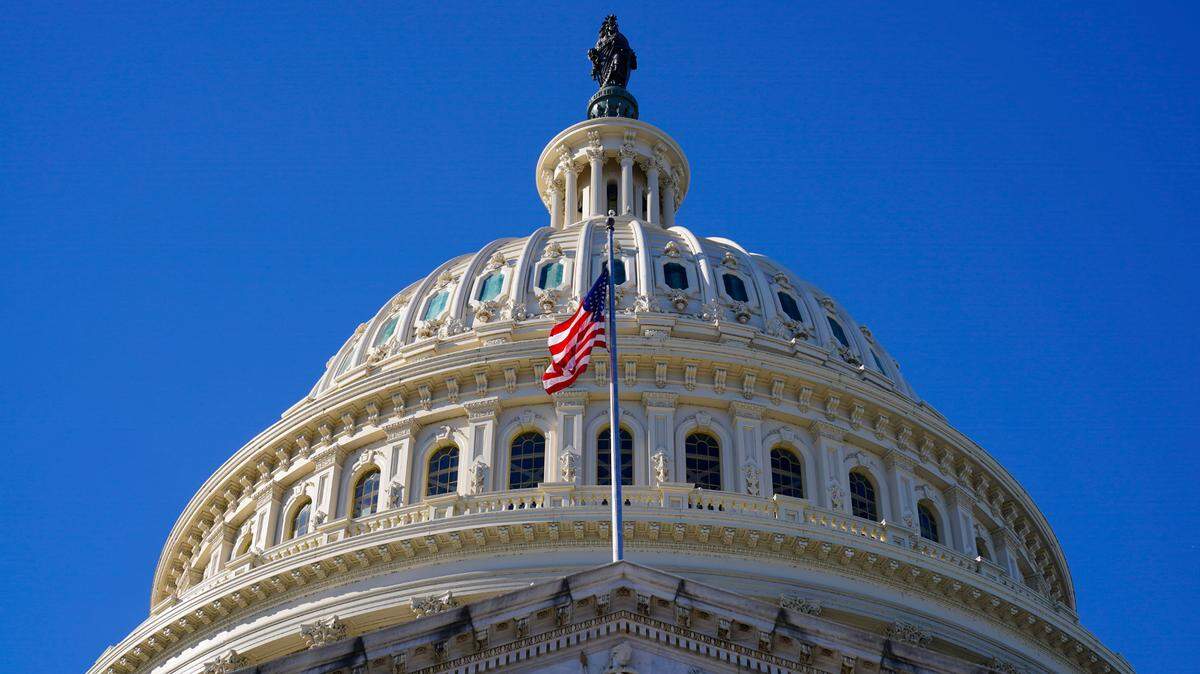
The House of Representatives on Friday passed a social spending plan, which could provide Fort Worth area residents with expanded health care coverage, an extension of tax credits, child care funding and assistance for students.
All Fort Worth and Tarrant County area representatives voted along party lines on President Joe Biden’s $1.75 trillion Build Back Better plan. The area Republicans — Reps. Michael Burgess, Beth Van Duyne, Jake Ellzey, Kay Granger and Roger Williams — voted against the plan. The sole Democrat in the area, Rep. Marc Veasey, voted for the legislation.
“After holding hostage any effort to develop a real, bipartisan infrastructure bill, Speaker Pelosi has forced through her socialist tax-and-spend package,” Granger said in a statement.
The plan’s fate in the Senate is unclear, as some Democrats remain unsure about some of the details. The Senate is expected to begin debating the plan after Thanksgiving.
Here are some of the main aspects of the plan and how they could impact Texans:
Expansion of Health Care Coverage
The plan could help hundreds of thousands of Texans gain health care coverage and allow individuals to save hundreds of dollars on coverage, according to the White House.
The legislation allows the 771,000 Texans missing out on Medicaid coverage to purchase subsidized health care coverage through 2025.
There is a coverage gap because Texas is one of 12 states that has not adopted the Affordable Care Act provision to expand Medicaid coverage to adults with incomes up to 138% of the federal poverty level.
This means Texans whose incomes are too high to qualify for Medicaid but too low to be eligible for premium ACA health care subsidies could miss out on coverage or find it harder to afford.
The plan also includes an expansion of Medicare coverage to include hearing services. Currently, Medicare does not cover hearing services except in certain circumstances, such as cochlear implementation.
The expansion to hearing services would begin in 2023. The coverage would include hearing aids and hearing rehabilitation and treatment services. Medicare would cover one hearing aid in each ear every five years for people diagnosed with moderately severe, severe or profound hearing loss.
Tax Cuts
Before the pandemic hit in March 2020, 15% of children in Texas lived in poverty. The extension of an expanded child tax credit could help change that.
The plan includes a one-year extension of expanded child tax credits to eligible households. Congress expanded the credit in March, but without further action, the expanded credit will end in December.
Under the expanded child tax credit, eligible households receive $3,600 a year for each child under 6 and $3,000 for those 6 to 17.
The credit mostly applies to households filing jointly that earn up to $150,000 annually and single parents earning up to $75,000 each year.
The plan also makes the child tax credit permanent for the lowest-income families. In October, nearly 3.6 million Texas households received the expanded child tax credit, with about 6.2 million children in Texas qualifying for the credit, according to the Treasury Department.
The plan also includes a one-year extension of the expanded earned income tax credit, which helps low-wage workers with no children. This could provide a tax cut of up to $1,500 for more than 1.5 million low-wage workers in Texas, according to the White House.
Child Care
The plan establishes free universal preschool programs for all 3 and 4 year olds, which could give preschool access to more than 571,000 Texas children. The funding for the programs is authorized to last six years.
About 25% of 3 and 4 year olds in Texas have access to publicly funded preschool, according to the White House. For families that can’t get access to a publicly funded preschool program, the costs can be about $8,600 each year.
The plan allows different settings — including public schools, Head Start programs and other child care providers — to receive funding for preschool programs.
The plan also allows Texas to provide more child care access for children aged five or younger each year. This is possible through the creation of a program that provides affordable child care for children and increases wages for the early childhood workforce.
The program ensures nearly all families of four earning less than $300,000 will not pay more than 7% of their income on child care. Currently, a family in Texas with two young children would on average spend 21% of their annual income on child care, according to the White House. The program would receive funding for six years.
Schools
More than 486,000 college students in Texas rely on Pell Grants, which provide financial assistance to those with financial need. The legislation increases the maximum Pell Grant by $550 for students at public and private non-profit higher education institutions.
The legislation also expands access to free meals at schools, helping more than 1.6 million children in Texas during the school year. The plan would also provide more than 3.6 million Texas children with resources to purchase food over the summer.