
VA has not been transparent about its program to help student veterans, some say
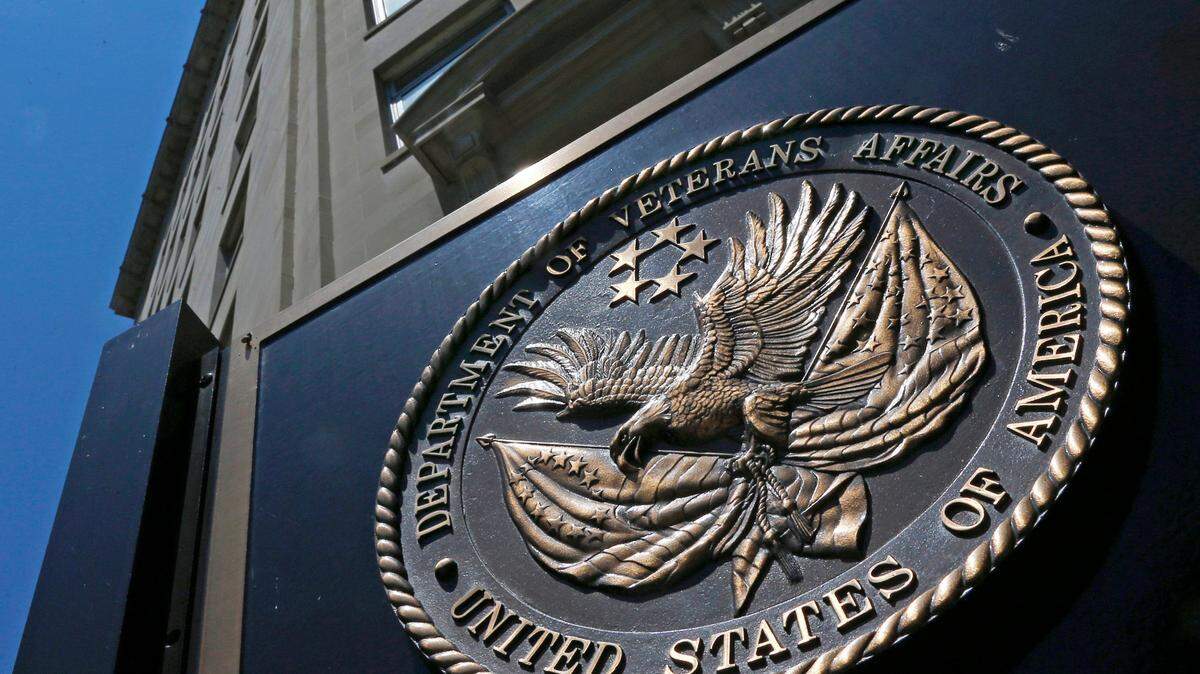
Since 2011, a program from the Department of Veterans Affairs has grown to provide student veterans with mental health support at 183 college campuses nationwide.
But there’s little public information about the operations and effectiveness of the Veterans Integration to Academic Leadership program.
A bill sponsored by Rep. Jake Ellzey, R-Texas, seeks to increase the program’s transparency by requiring the VA to report to Congress about the program’s effectiveness and operations.
Ellzey, who joined Congress in July, represents most of Arlington and Mansfield and all of Ellis and Navarro counties. This is the first bill he has sponsored.
The bill seems poised to pass in the House of Representatives. Last week, it received unanimous approval from the House Veterans’ Affairs Committee, meaning it is ready to be voted on by the entire House.
Elllzey’s bill would require the VA to report to Congress on the program’s effectiveness in addressing mental health needs of student veterans, lowering the suicide risk of student veterans, helping student veterans reach academic goals and connecting student veterans to needed services.
The VA would also have to provide an assessment of the barriers of expanding the program and how it plans to address such barriers, as well as information on the number of veterans supported by the program.
The department must use the information to develop best practices, goals and performance measures for the program.
In a statement, the VA said it does “not support this bill as written.”
The VA said it has supported the “program through guidance on best practices rather than formal policy,” according to a statement. As a result, it did not establish “specific performance measures across all locations” that provide support to student veterans.
Since there are not uniform performance measures and services differ depending on a campus’ needs, “VA would have difficulty evaluating outcomes and effectiveness of the program ” according to the statement.
“They should be willing to accept this with open arms because it’s already a program that they have,” Ellzey told the Star-Telegram. “We just need to know how good it is and how we can do it better.”
Is the program effective?
The program is generally seen as an essential way to help student veterans reintegrate into society — but limited available information means it is hard to gauge how effective the program is.
The Veterans Health Administration tracks the number of veterans that the program serves annually by location. But this information, along with data on cost and staffing, is not available to the public.
Justin Monk, the policy associate for Student Veterans of America, said his organization has generally heard positive feedback about the program.
“The student veterans we’ve heard from that have access to the program, utilized it in one form or another, have sung its praise,” Monk said.
Monk thinks the program’s “reach is somewhat small,” and student veterans have voiced concerns about the differing services across campuses.
Monk said SVA does not believe the program receives enough attention. Since it is not mandatory to fund the program, “it’s always at the bottom of the totem pole.”
“Typically, you can access [data] through reaching out to VA. But this one’s been a little bit more difficult, I think at least partially due to the nature of it not being a required focus of VA,” Monk said.
As a result of this lack of data, much remains unknown about the details of the program, Ellzey said.
“This clearly works. We need to know how well and find better ways to serve our veterans,” Ellzey said. “That’s the number one task of this [bill]. It’s not to make life difficult for anybody. It’s to help our veterans.”
More support is important
Experts say there is always a need for more support for veterans — both mental health support and guidance to reintegrate into society.
Ellzey was a fighter pilot in the Navy for 20 years. When he left the service, airlines weren’t hiring, so he couldn’t find a job.
This challenge to reintegrate into society is common among veterans, Ellzey said.
“If you’re a five year Marine Corps veteran who went to deploy three times into combat, and you’re going back to school as a freshman with a bunch of 18 and 19 year olds who just graduated high school ... there are two different cultures clashing,” Ellzey said. “There’s nobody in that class — unless you got a fellow veteran — who’s able to identify with the struggle.”
There are systems in place to help veterans, including the GI Bill, which helps veterans and their families cover school and training costs. The Yellow Ribbon Program also helps cover the costs for veterans attending school.
April Brown is the director of veterans services at TCU, which has had discussions to bring a Veterans Integration to Academic Leadership counselor on campus, but the pandemic upended those plans.
“Every student is different, but I would say for this population, the veterans, particularly, are balancing work, family responsibilities,” Brown said. “They may have been out of school for a while. And so if they’ve not had a math class in eight years, they have to think about how to rebuild those skills.”