
Is your safety, property at undue risk due to Fort Worth Fire Dept. staffing levels?
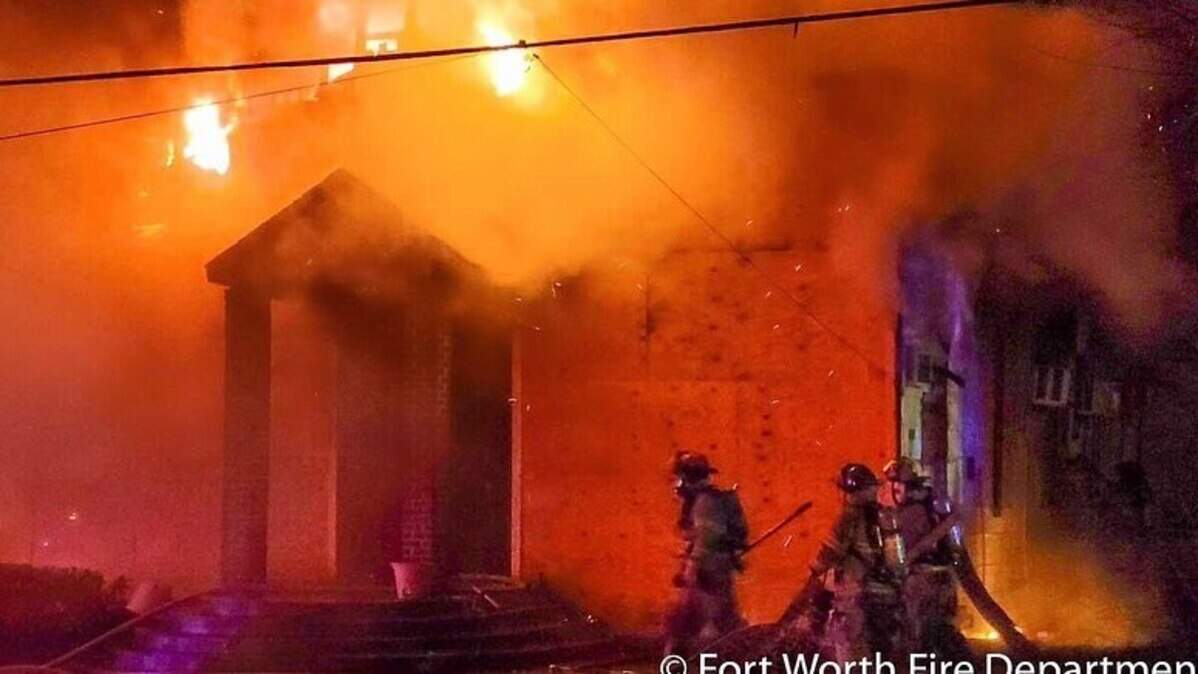
Michael Glynn, president of Fort Worth’s firefighters’ union, says the city needs to hire more firefighters as the city grows and response times to fires and medical calls have worsened.
City officials say studies of staffing and response times are needed to fully understand the situation before more money is committed.
Discussion of fire department staffing took up nearly half of the city council’s Sept. 10 budget work session, where council members questioned city manager David Cooke’s decision not to increase the size of the department as recommended by Fire Chief Jim Davis in a June 24 report.
Davis’ report showed Fort Worth’s Fire and EMS response times have increased by as much as one minute since 2011. Inside the 820 Loop the time has increased from 4.47 minutes to 5.3 minutes. Outside the loop the time has increased from 5.59 minutes to 6.61 minutes. The widely used National Fire Protection Association standard recommends fire crews respond within four minutes.
“A fire generally doubles in size ever minute, so there’s a greater chance for fire growth with a delay in response times,” Glynn said, adding that this increases the safety threat to firefighters and those who may be trapped inside.
For emergency medical services, he said delays can be damaging for persons suffering cardiac arrest, with brain cells starting to die after four minutes.
Davis’ report said the city needs to budget for an additional 254 firefighters to the supplement the current staffing level of 953 firefighters. This will help the department keep up with growth and reduce its reliance on overtime to meet staffing shortages. That number came from comparing the departments’ staffing to similarly structured departments in cities including Oklahoma City, Charlotte, Austin and Indianapolis.
Representatives for Davis and the Fort Worth Fire Department deferred to the city manager’s office when reached for comment.
Valerie Washington, an assistant city manager who worked for the City of Indianapolis before coming to Fort Worth, said there are other factors affecting response time besides staffing, citing road conditions and construction as two potential variables.
Washington and Cooke have advocated for a more thorough staffing study to better understand the department’s needs and how to best use the city’s resources. Cooke told the city council at the Sept. 10 budget work session he would not recommend any additional funding for the fire department until the study was complete.
Though not opposed to conducting a staffing study, Glynn said he had a hard time believing it would not affirm the need for more firefighters. He advocated implementing Davis’ plan of adding 50 firefighters each fiscal year until reaching the 254 recommended by the chief or whatever number a staffing study recommends.
City council district 9 Councilmember Elizabeth Beck echoed Glynn at the Sept. 10 meeting saying she wouldn’t need a staffing study to tell her the city needs to hire more firefighters.
Washington acknowledged the perception that a study feels like kicking the can down the road, but said her office would provide updates on both the study’s progress and a separate study of response times. Washington said information on response times would be available before the longer term staffing study.
She also said her office is working with the fire department to improve recruitment and increase the number of firefighters added to the force through training. Right now the department is budgeted for 24 additional trainees, but Washington said that number could go as high as 67.
The city council also may choose to add funding to the budget to increase staffing at the department. District 8 Councilman Chris Nettles said at the budget work session he intended to amend the city budget to address under staffing.
.jpg)