In Texas, Facebook fakes are no joke: Police accuse GOP activist of malicious posts
Nobody seems to remember this.
But it’s a crime to maliciously fake an identity on Facebook.
In an election season filled with feeble online fakery from Burleson to Colleyville, police in at least one nearby city found a case serious enough to enforce that law.
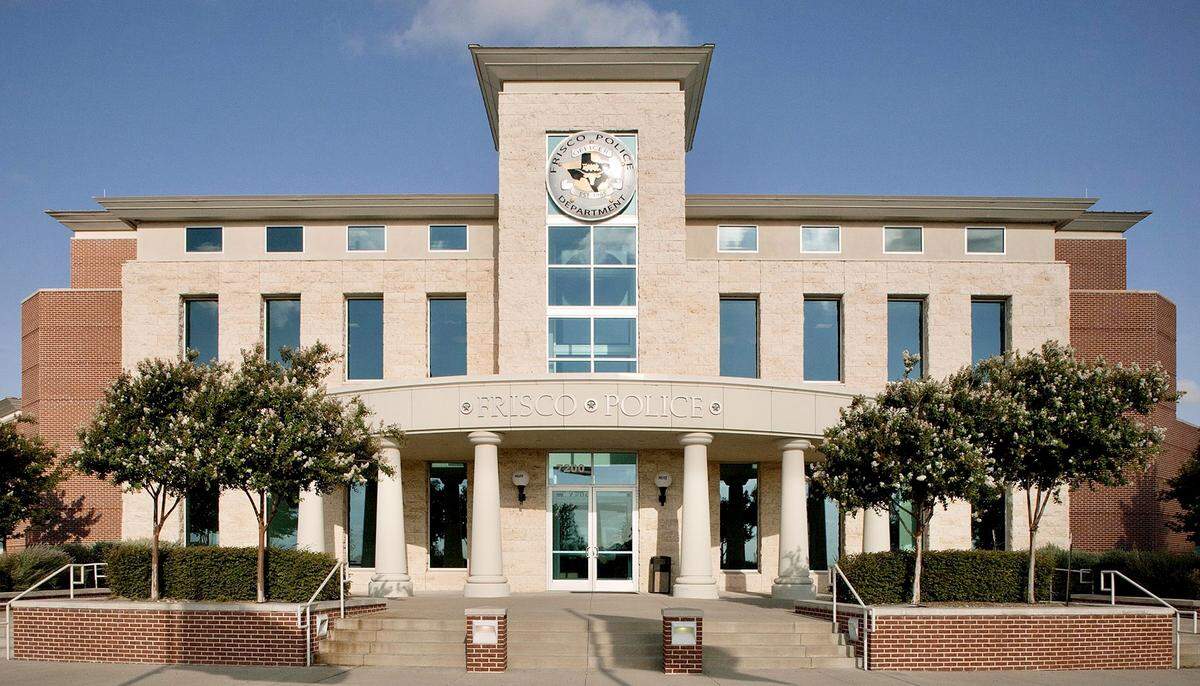
In Frisco, a prominent MAGA-backing Republican campaign worker was arrested and accused over a fake Facebook profile that police said violated the state online-impersonation statute.
The 2009 law was originally passed to prevent youthful cyberbullying, fraudulent “catfishing” and trickery in divorces or relationships. But it applies to all online masquerades.
It’s a third-degree felony to use a fake online name or profile to “intimidate or threaten” anyone. If it’s only used to “harm or defraud,” that’s still a Class A misdemeanor.
Morgan McComb, 49, a precinct chairwoman from Justin in Denton County, created a Facebook account in February using the name and photo of a rival Republican campaign operative in Frisco, according to the police affidavit.
Then, according to the affidavit, McComb used the account to publish the other campaigner’s records from family court, psychological and counseling records, and a criminal court record.
The rival was “alarmed and embarrassed,” according to the affidavit.
McComb is known as an activist and tough political infighter. She has 53,000 followers on Twitter.
She identifies herself as a “a TRUE Conservative TX Grassroots Leader, Mom & Patriot ... God Guns Guts and Glory! #MAGA.”
(An earlier Twitter profile added, “FREEDOM! DON’T TREAD ON ME!!”)
Frisco police traced the Facebook account to an email address used by McComb and the IP address to her home in Justin, according to the affidavit.
Police said she denied creating the profile, but shortly afterward, an attorney called asking whether the investigation could be dropped if the page came down.

She turned herself in June 29 and is free on $5,000 bond, according to Collin County records.
If the case is accepted for prosecution, she would face a potential two to 10 years in jail and a fine of up to $10,000, or a misdemeanor punishment of up to one year in jail and a $4,000 fine.
A Collin County prosecutor declined to comment. McComb did not return calls last week.
But Michelle Smith of Rockwall, a campaign manager for state Senate District 30 special-election candidate Shelley Luther, called.
She wanted me to make sure and say clearly that McComb is not employed by that campaign.
The online impersonation law is often discussed in family court but rarely is a criminal case filed, according to defense attorney Anna Summersett of Varghese Summersett in Fort Worth.
That’s because it’s a tough case to make, she said. Police and prosecutors must prove that the intimidation from a fake Facebook page was serious enough to punish with two to 10 years in prison, or harmful enough to deserve a year in jail.
“Simply because we’ve made documents public that may embarrass someone ... doesn’t mean it’s harmful,” Summersett said.
The law applies even if a fake name is used.
As it happens, Collin County is the original source of the online-impersonation law.
In 2009, then-Rep. Brian McCall, R-Plano, wrote it after a series of teen bullying cases, including a hoax that led to a Missouri girl’s death from suicide.
McCall teamed up with then-Rep. Rob Orr, R-Burleson. He wanted to punish fake 911 “swatting” messages and other misbehavior in Johnson County.
In 2011, Orr said: “It’s a mess if somebody gets on the internet and pretends to be you, no matter who you are.”
It might be an illegal mess.
This story was originally published October 17, 2020 at 2:55 PM.