‘This is for our neighbors’: Is $3M enough to uplift this Fort Worth neighborhood?
Fernando Peralta Berrios slowly pulled onto Flint Street, a narrow, cracked drive, and weaved his car around a pair of teenagers walking in the roadway.
A block later, a woman carrying a baby walked the opposite direction on the edge of the street. There are no sidewalks on this stretch of Flint Street. In fact, there are few sidewalks, few curbs and lots of dim street lights in Rosemont, a Fort Worth neighborhood south of West Berry Street.
“It takes one person that’s not paying attention, either texting on their phone or whatever, and then boom!” Peralta said as he passed the woman on a recent afternoon. He said the lack of sidewalks makes it dangerous to walk around Rosemont, which is home to two city parks and borders an elementary and middle school.
As the city has grown, older neighborhoods like Rosemont have fallen by the wayside with only the most vocal “squeaky wheel” ones getting attention, councilwoman Ann Zadeh said. Blight has crept in, fed by a high poverty rate, and crime has followed.
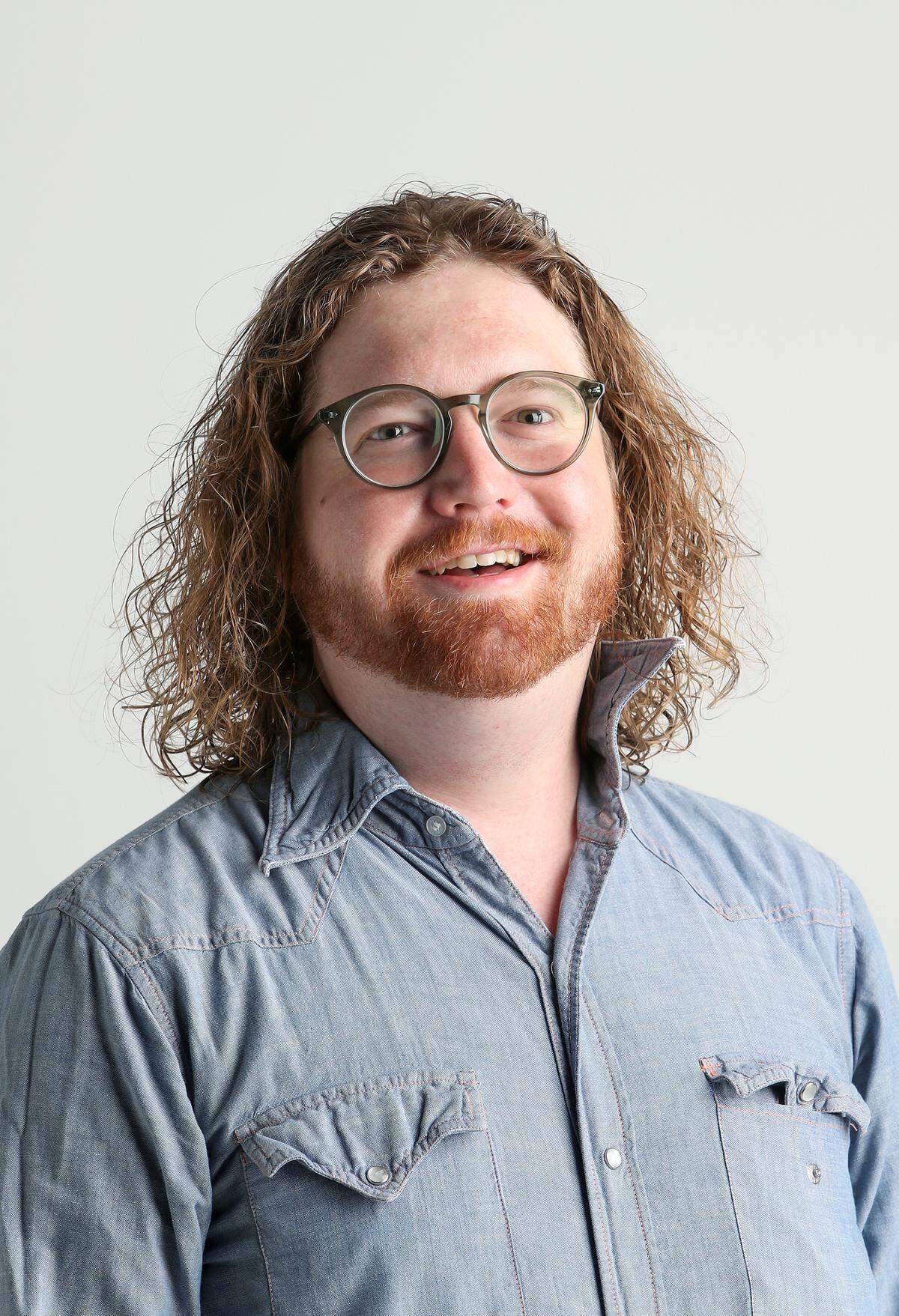
Peralta, president of the Las Familias De Rosemont neighborhood association, hopes that will change with a little more than $3 million the city plans to invest in Rosemont. Pending a City Council vote Tuesday, the neighborhood will be the fourth targeted for improvements designed to boost safety, aesthetics and investment. The money comes from a half cent municipal property tax used for capital improvement projects. Stop Six, Ash Crescent and Northside were chosen in years past and have seen success, according to city assessments.
“I think it really will connect the neighborhood,” Peralta said. “I’m hoping that with this project, people understand that this is for our neighbors, for the families here.”
A collection of families
Rosemont is more a collection of families than a traditional neighborhood, Peralta said.
Originally from the H.E.B. area, he moved to the predominantly Hispanic community three years ago and at 27 became the president of a renewed neighborhood association late last year. It’s the sort of place he’d love to raise a family, he said.
Engaging the neighborhood has been tough at times. Most folks live in silos that consist of their immediate family, he said, and are generally wary of government action. While Peralta is new, many have lived in Rosemont for more than 50 years.
So he’s approached unifying the neighborhood differently. Peralta and his neighbors renamed the association Las Familias de Rosemont to push a message that Rosemont is one large family. The previous Rosemont neighborhood association died sometime ago. Peralta and his neighbors spent the better part of last year going door-to-door building trust in the idea of an association.
Peralta and others have also pushed the city to provide information in Spanish. He said he’s heard from several neighbors, mostly those who are older, who had previously been uninterested in contacting the city about code violations or other complaints because of the language barrier.
A city estimate shows there are about 7,300 people in Rosemont, but Peralta said the number could be higher because many homes house three generations and older people are less likely to be counted. He estimated more than 90% of the families identify as Hispanic.
“If I talk to 50 people, I’d say 35 of them speak Spanish,” he said. “There’s more neighbors who want to come to meetings, but if they’re not in Spanish then they won’t understand or they will be intimidated.”
City presentations will be in both English and Spanish and meetings will be translated, said Catherine Huckaby, a community engagement specialist. Meetings in north side, which is also predominantly Hispanic, were such a success in both languages that Huckaby said the city plans to make bilingual options a standard.
Zadeh, who represents Rosemont, said the choice of Rosemont is the result of the community’s renewed engagement and passion. An influx of people like Peralta has brought a new interest in reviving the community.
“Hopefully we get to the point where we don’t have to do this kind of infusion in our neighborhoods,” Zadeh said.
Rosemont’s condition
The whole of Rosemont is an oddly shaped trapezoid that in parts stretches from Berry Street in the north to Seminary Drive in the south and from Granbury and Cleburne roads in the west to Hemphill Street in the east. The small Shaw Clarke neighborhood carves out the northeast corner.
The city will concentrate the funding in a smaller portion of the neighborhood — Biddison Street south to Seminary and Grandbury east to the BNSF railroad tracks.
Rosemont is in a similar place to other neighborhoods in Fort Worth’s core, including those chosen to receive similar investment in previous years.
With the exception of a few recent remodels, most homes are small and aging, Peralta said. More than 30% of Rosemont’s population is below the poverty line, meaning a third of families likely lack the money to fix their homes. Most of the homes for sale are between 700 and 1,200 square feet and are listed below $200,000, even with improvements, according to realtor.com.
Sidewalks are hard to come by across Rosemont and the curb system is hodgepodge. Many streets are dark at night.
Touring the neighborhood on a recent afternoon, Peralta stopped at Dickson and Eighth streets. One side of the intersection lacked curbs, either because they never existed or because they had crumbled away. Water pooled in large potholes and cracks spread across the street like a spiderweb.
It’s a common sight in Rosemont, Peralta said, and while it’s unattractive, it’s also a health concern. The puddles easily breed mosquitoes in the summer because they rarely drain, he said.
Sidewalks often stop abruptly, which makes it hard for residents like the mom and teenage boys to walk the neighborhood. It’s even worse for the older residents, Peralta said, and makes being outside less inviting.
“There’s just kids everywhere in my neighborhood,” Peralta said. “They play in the streets and they walk in the streets and they have to because there’s no sidewalks.”
Other neighborhoods have seen significant advances since Fort Worth invested in them.
In Ash Crescent, the neighborhood chosen in 2018, nearly 40 tons of trash and brush have been removed, 83 LED street lights have been installed and 17 dangerous buildings have been bulldozed, according the the city’s most recent assessment. In Northside, chosen last year, 11 dangerous buildings have been torn down, 269 city-owned lots have been cleaned and 77 lights have been installed. Plans are in the works to improve sidewalks around Rufino Mendoza Elementary including 14th Street, Central, Harrington and Lagonda avenues.
One danger of this kind of investment is that it will lead to developer speculation, causing the neighborhoods to gentrify to the point that long-time residents are priced out.
Peralta said the neighborhood will keep a close eye on that, but he dismissed gentrification as a major concern. Property values likely won’t increase dramatically with the city’s investment, which is targeted at the residential areas and not the commercial strip that runs along Hemphill Street.
“We’re not here to let our neighbors who’ve been here for 55 years get kicked out,” he said.