Fluorescent green sea creature raised in aquarium turns out to be a new species
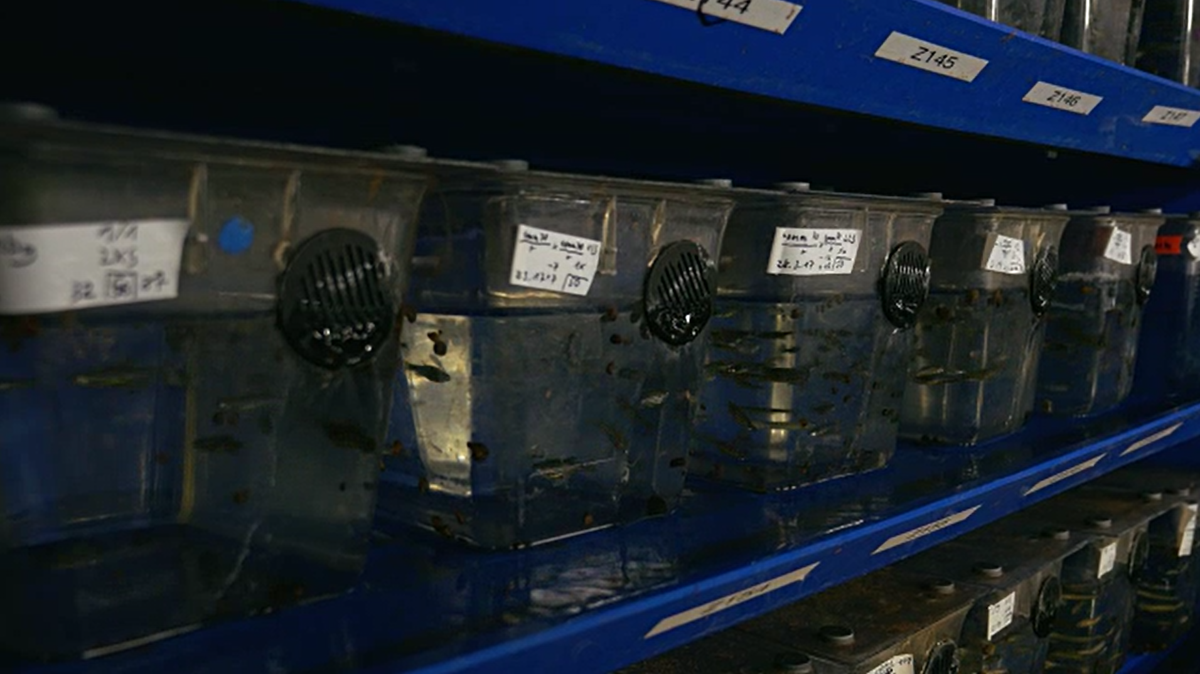
In a laboratory aquarium in northern Russia, a fluorescent green sea creature with 14 tentacles moved about. It ate, grew and eventually reproduced. A patient scientist watched the process, documenting each step.
He didn’t know it when he first collected the sea animal — but he’d discovered a new species.
Biologist Andrey Prudkovsky decided he wanted to take a less common but more comprehensive approach to studying a group of marine invertebrates known as hydrozoans, he wrote in a study published Aug. 14 in the peer-reviewed journal Hydrobiologia.
Instead of just collecting these animals in their adult jellyfish-like form, Prudkovsky would collect them in their immature semi-stationary form and raise them in a laboratory. With this approach, he hoped he could more easily identify “cryptic”-looking hydrozoans while also learning more about their life cycles.
From 2016 through 2023, Prudkovsky collected dozens of immature hydrozoan colonies from the shores around the Pertsov White Sea Biological Station then kept the animals in laboratory aquariums for just over a year to see them grow, the study said.
.JPG "Bougainvillia marfenini (1).JPG")
One unfamiliar hydrozoan caught his attention. Prudkovsky documented every stage of the sea creature’s development, analyzed its DNA and realized he’d discovered a new species: Bougainvillia marfenini, or Marfenin’s hydrozoan.
Marfenin’s hydrozoans look significantly different throughout their life cycle. The animals begin as an “irregular network” of branches in a colony form, Prudkovsky said. The colony is often attached to a stationary surface and eventually releases a “free-swimming medusa.”
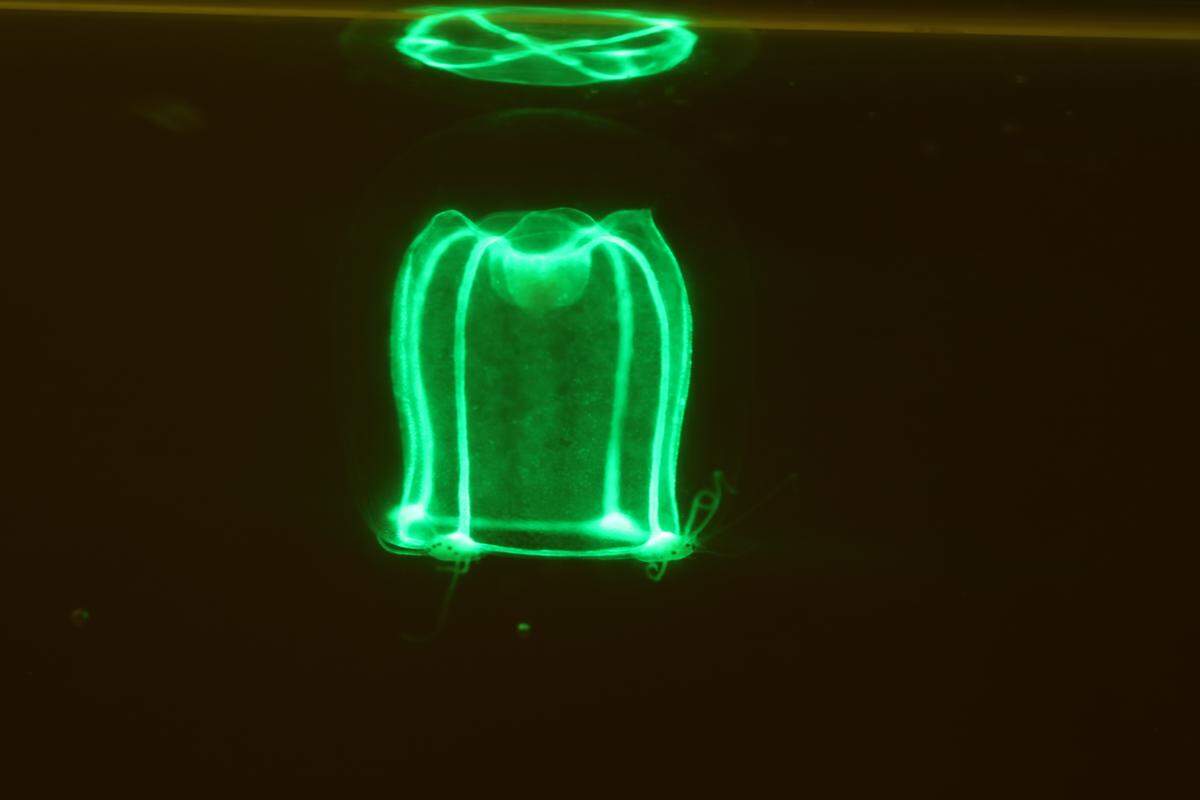
When first released, Marfenin’s hydrozoan medusae are immature. They have an “oval to spherical shape” made of “a thin jelly” and only four tentacles, Prudkovsky said.
“After detachment, the medusa undergoes rapid transformation,” growing larger and rounder with a “moderately thick jelly” and 14 tentacles, the study said. Photos show the Marfenin’s hydrozoan in this fully grown, adult form, which “shows green fluorescence.”
At their largest, Marfenin’s hydrozoans measure less than half an inch in length, the study said. Once fully grown, the medusae spawn a colony and repeat the asexual reproduction process.
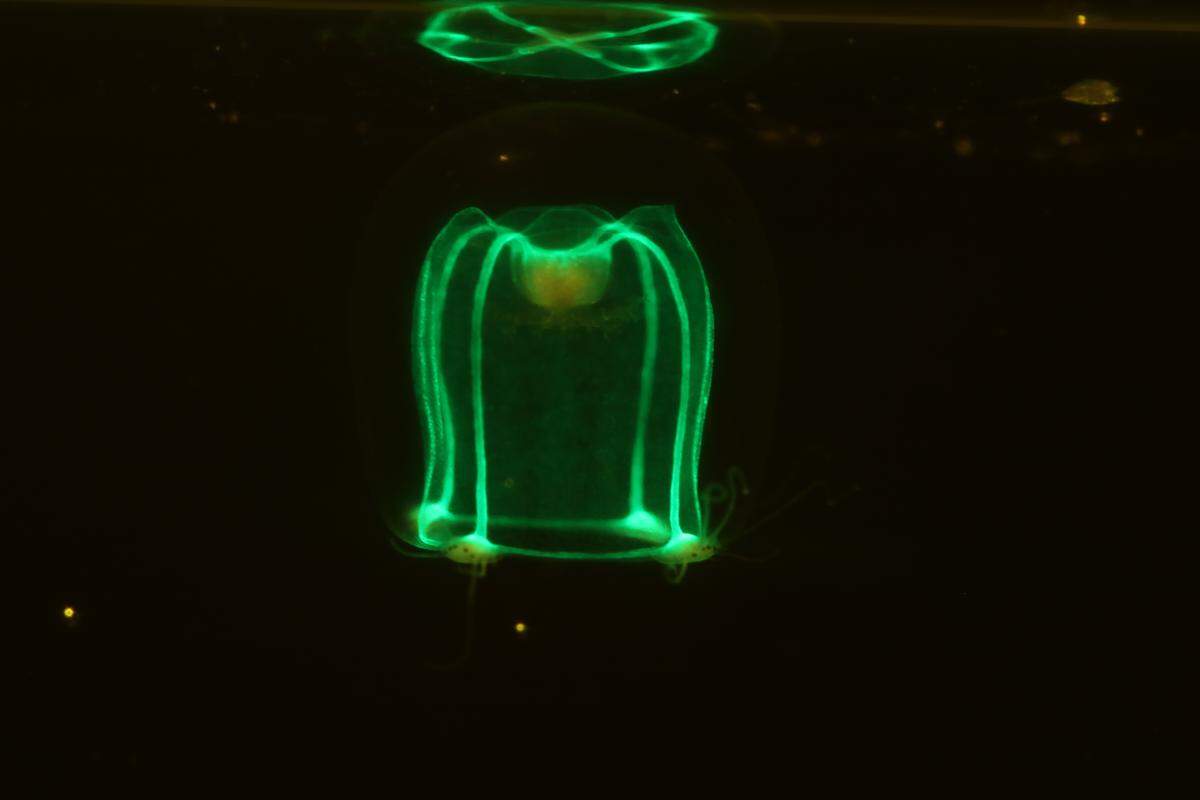
Prudkovsky concluded that the new species has “a free-swimming medusa stage in their life cycle, but do not produce medusae in the White Sea.” In over “one hundred years of observations” in the area, this is the first documented example of a mature Marfenin’s hydrozoan.
Prudkovsky said he named the new species after Nikolay Nikolaevich Marfenin, a professor “who devoted over 50 years” to studying hydrozoans of the White Sea and established a research group with that focus.
The new species was identified by its DNA and anatomy at different stages of its development, the study said.
“Detailed studies of life cycles allow us to find significant differences in species that at the first glance could be called cryptic,” Prudkovsky said.
The Pertsov White Sea Biological Station is in northwestern Russia and near the border with Finland.
This story was originally published August 28, 2025 at 7:57 AM with the headline "Fluorescent green sea creature raised in aquarium turns out to be a new species."