‘Peculiar’ wide-eyed shark not seen in 55 years rediscovered in Papua New Guinea
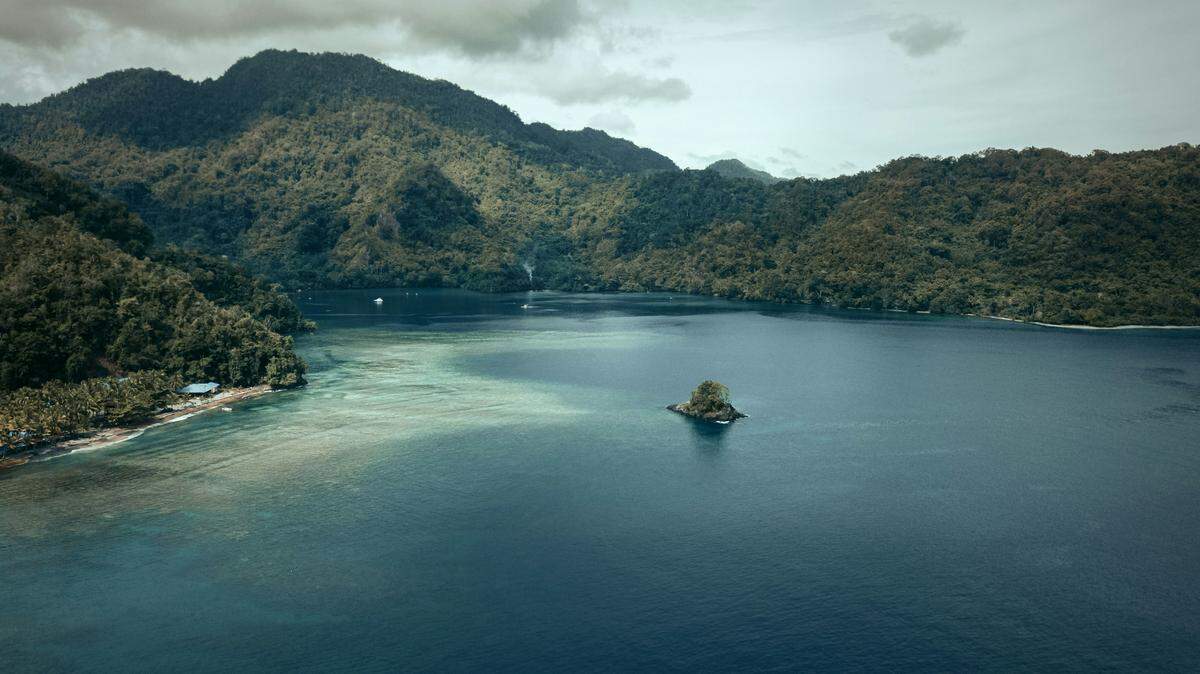
On a summer night in July 1970, a man fishing in Astrolabe Bay near the mouth of the Gogol River in New Guinea reeled in a “peculiar small shark” with “very large,” wide eyes, a large head and a short mouth. As an avid fisherman, he recognized how “unusual” this particular specimen was, so he sent it to a biologist at Papua New Guinea’s Department of Agriculture, Stock and Fisheries for further study, according to official description published in 1973 in the Proceedings of the California Academy of Sciences.
Three years later, researchers determined the shark, a pregnant female measuring 29 inches long, belonged to a new species and genus. They named it Gogolia filewoodi after the place it was discovered and the scientist, L.W. Fillewood, who determined its identity.
Despite researchers conducting several surveys focused on shark populations in Papua New Guinea and numerous deep-sea surveys in the region, no other records of the species were ever recorded — until now, according to a paper published Aug. 21 in the Journal of Fish Biology.
A recent survey of fishers in Madang Province revealed six Gogolia filewoodi, also known as sailback houndshark, had been caught since 2020, marking “the first verified” records of the species since 1970, according to the study.
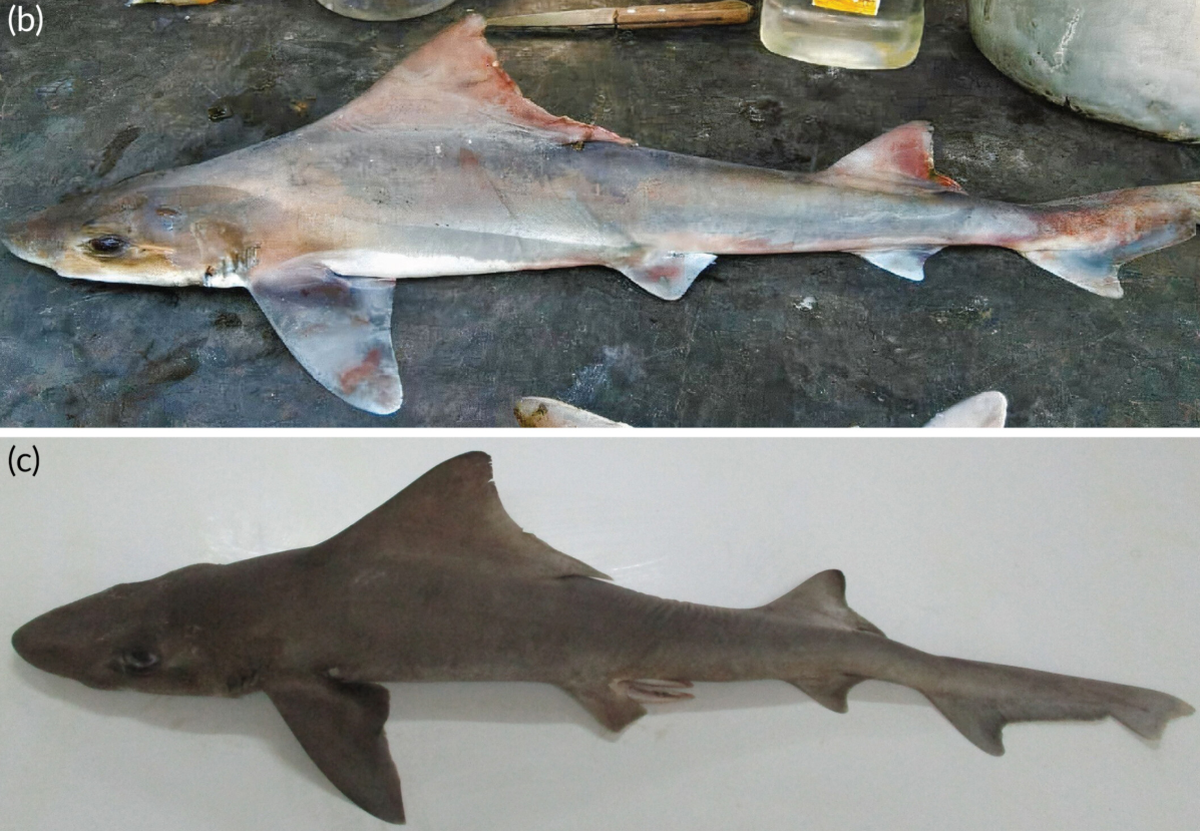
The catches — five females and one male — were recorded by a World Wildlife Fund worker who was in the region “conducting fisheries surveys at the time,” according to researchers.
“He recorded the data of the first two catches without taking photographs but did take photographs of the other three individuals as evidence of the species,” researchers said.
The sharks were all caught near the Gogol River mouth, in the same area where it was first caught in 1970, according to the study.
In conversations with local fishers, researchers learned sailback houndshares are caught occasionally, often as bycatch when they’re fishing for jewfish, the study said.
“Fishers report that its flesh is not well regarded and often given away if in surplus,” researchers said. Locals told the team “the fins are not high quality for the shark-fin trade.”
Researchers suspect the sailback houndshark’s habitat is restricted to a limited area around Astrolabe Bay, making them susceptible to overfishing, according to the study.
/onitoring and management options are currently being initiated as a precautionary approach to conserve this unique and rare species,” researchers said.
The research team included Jack Sagumai, Rebecca H. Samuel, William T. White and Michael I. Grant.
This story was originally published August 22, 2025 at 1:41 PM with the headline "‘Peculiar’ wide-eyed shark not seen in 55 years rediscovered in Papua New Guinea."