‘Fairy’ creature that swims upside down discovered in a roadside pond in India
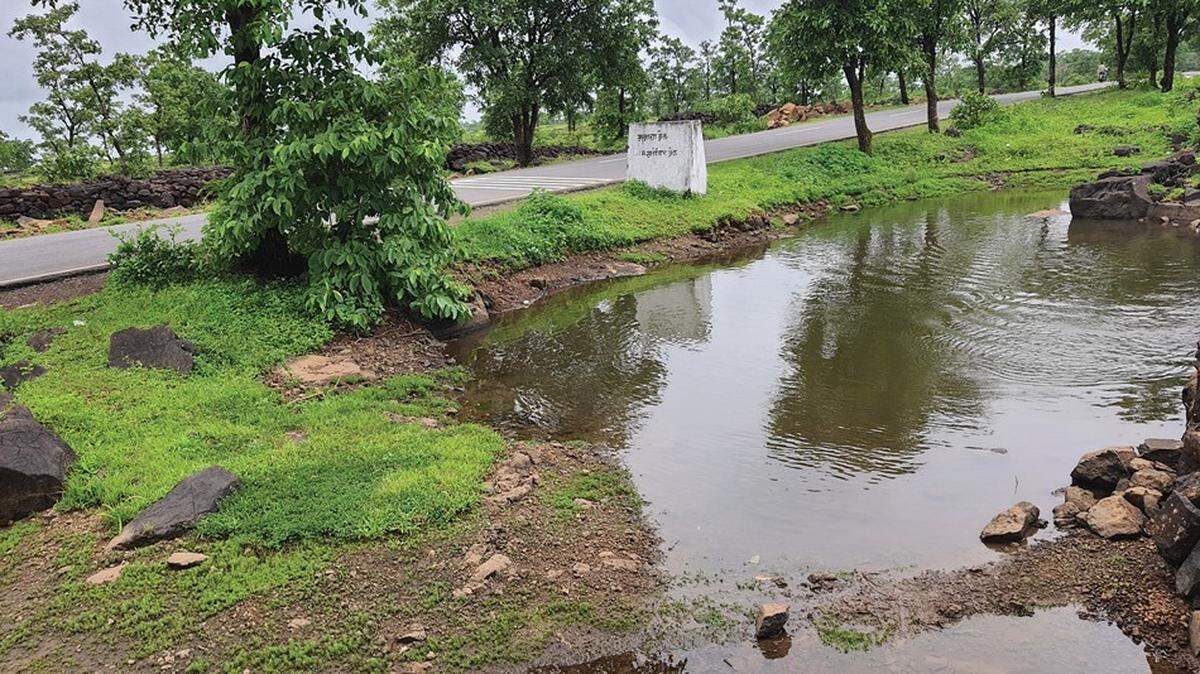
In western India, a shallow roadside basalt rock pond serves all sorts of passersby.
Cattle use it for drinking and bathing; aquatic beetles, plants and tadpoles live below the surface; and it is a popular respite for tourists driving through.
Just 3 feet deep, the naturally occurring, unnamed pond in India’s Western Ghats is, by appearance, fairly unremarkable and indistinguishable from any other — except for the fact that is the only known habitat of a new species of “fairy shrimp,” according to a study published July 24 in the journal Zoosystematics and Evolution.
Researchers surveying the warm water for brachiopods caught several of the new species, Streptocephalus warliae, including one female carrying dozens of tiny eggs, according to the study.
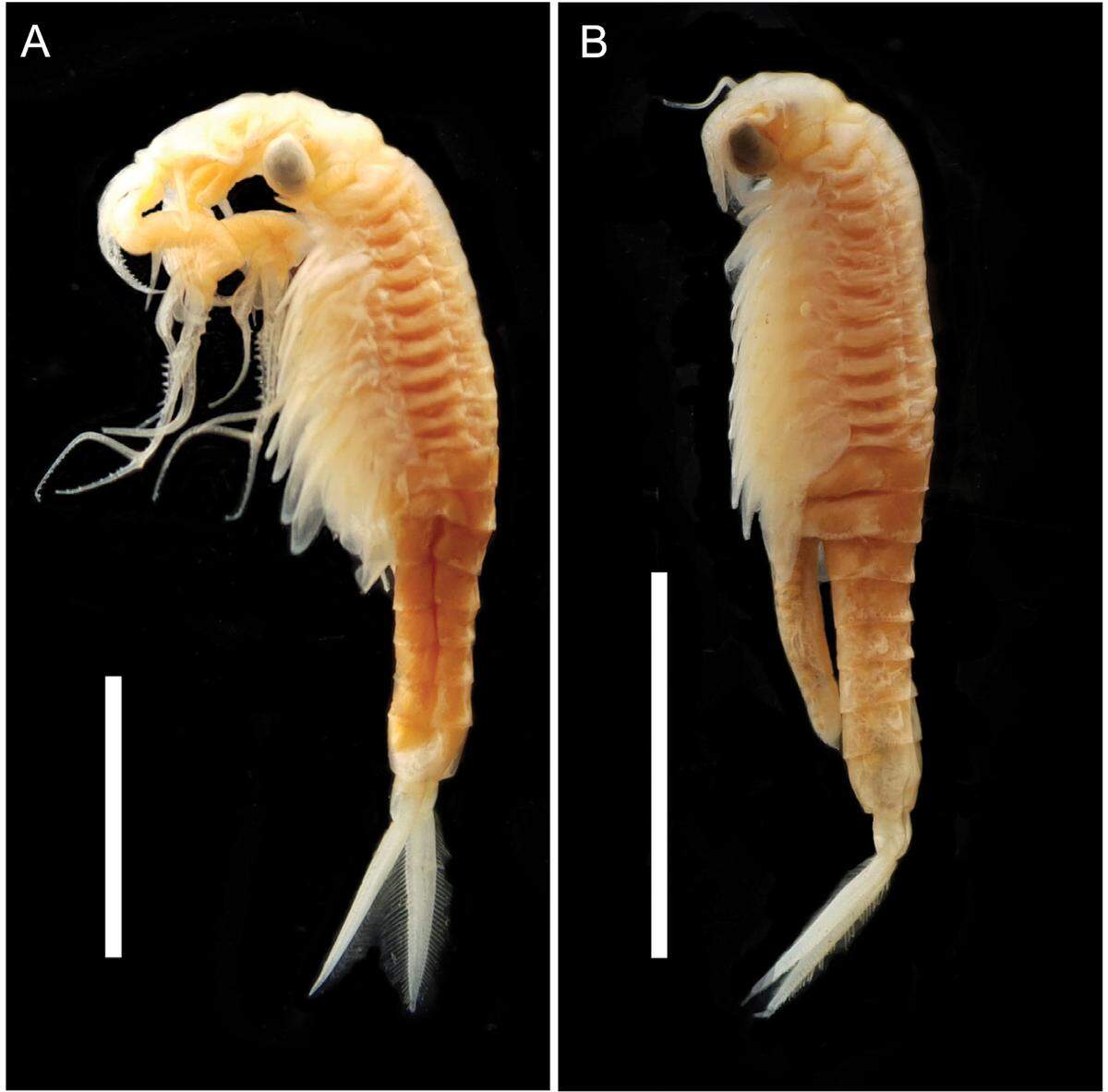
The Warli fairy shrimp is three-quarters of an inch long, and one of its most unique characteristics is its two sets of antennae, according to the study.
Species in the Streptocephalus genus are known for their ethereal appearance because of the way they swim: upside down with their legs up.
They are also known to inhabit temporary bodies of water, such as those that fill with rain and even dry out. Together, their ethereal and ephemeral nature earns them the name fairy shrimp, according to experts.
The new species was named in honor of the indigenous Warli tribe that lives in the region, according to researchers.
Warli women are known for creating distinctive paintings “using natural materials like rice paste, gum, and red soil,” which reflect their close association with “mother nature,” the study said.
The species was discovered on the Jawahar plateau in India’s Maharashtra state, about an 85-mile drive northeast from Mumbai. It is one of seven Streptocephalus species found on the Indian subcontinent, according to researchers.
Researchers said the region “remains inadequately explored” and is likely to be home to new species found nowhere else in the world.
The research team included Prashant Manohar Katke, Sameer M. Padhye and Avinash Isaac Vanjare.
This story was originally published July 28, 2025 at 1:48 PM with the headline "‘Fairy’ creature that swims upside down discovered in a roadside pond in India."