Creature that releases toxic ‘soap-like mucus’ when stressed is new ocean species
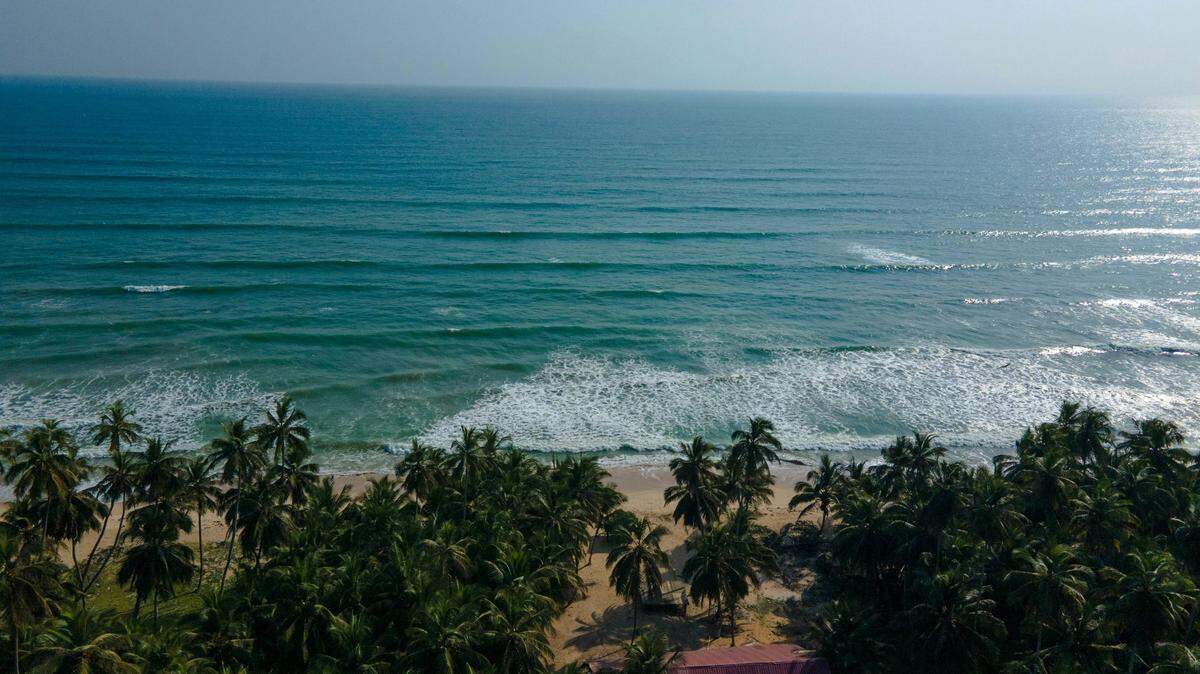
Researchers have discovered a new “cryptic” fish species inhabiting the tropical Gulf of Guinea and west African coast from Mauritania to Angola.
Rypticus africanus, or the African soapfish, was misidentified as Rypticus saponaceus, or the greater soapfish, a related species found in both the east and west Atlantic, according to a study published July 21 in the peer-reviewed Journal of Fish Biology.
In 2003, researchers found “considerable genetic differences” among individuals identified as greater soapfish, “suggesting that the African population may be a cryptic undescribed species,” the study said.
Cryptic species are two or more distinct species that are nearly impossible to distinguish by appearance alone.
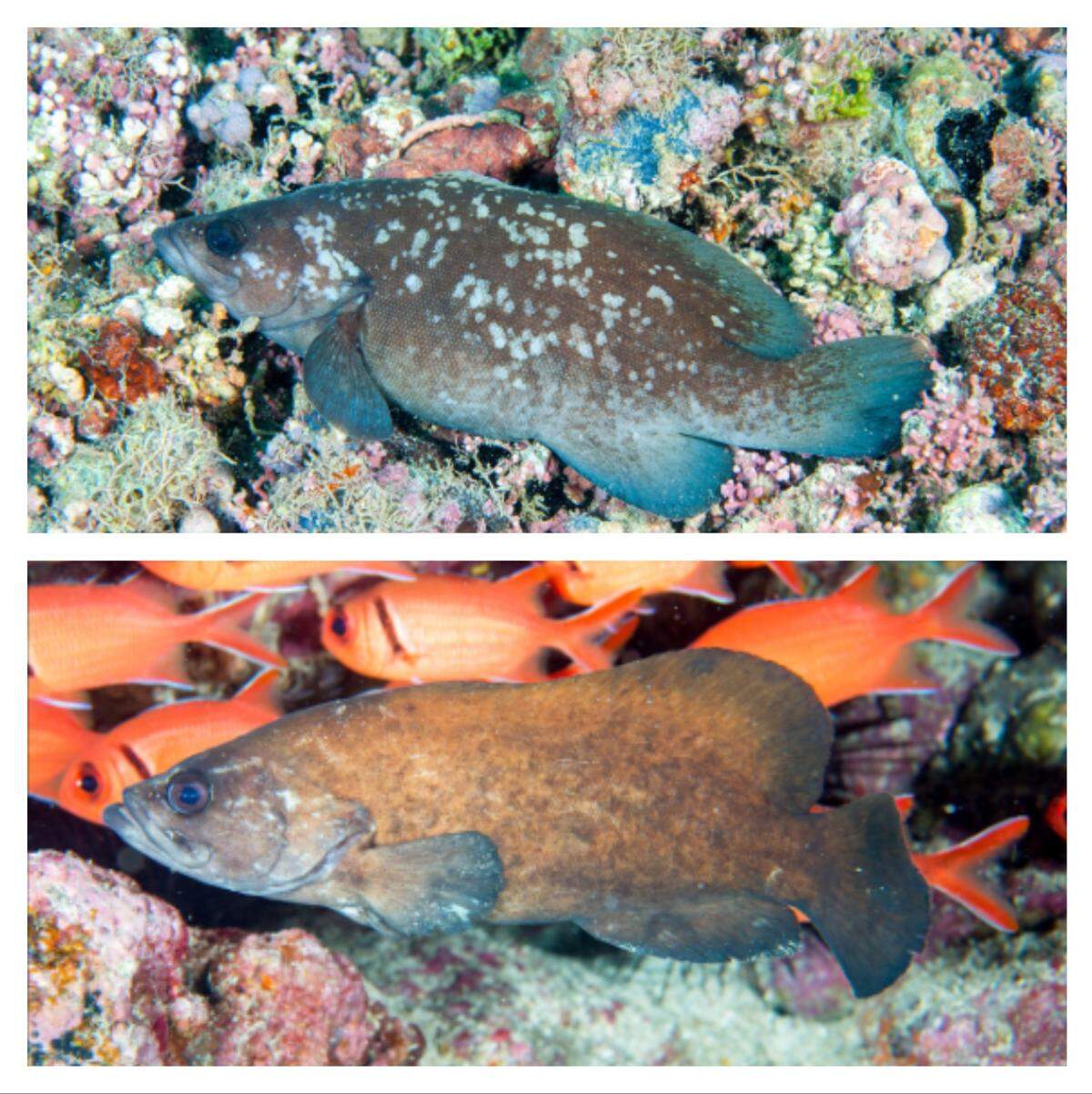
Fourteen specimens from Cape Verde, São Tomé and Príncipe, Togo and one from a market in Ghana were collected and tested to verify the fish as a new species, according to the study.
Researchers said Rypticus africanus was likely misidentified as Rypticus saponaceus because both species have a conservative morphology, or overall appearance. According to the study, the two species likely diverged millions of years ago.
The African soapfish, which can reach up to 8 inches long, is described as having “a brown to dark-grey body” with pale spots and fins that match its body. Juveniles of the new species have “a predominantly bluish hue” with a distinct white stripe along the top of its head, according to the study.
It’s discovery makes it the 11th species in the Rypicus genus, researchers said.
Rypticus fish “secrete substantial amounts of toxic, soap-like mucus as a stress response, earning them the common name soapfishes,” according to the study.
The new species is found in clear, shallow waters to depths of up to 100 feet near rhodolith beds and rocky reefs, according to the study. Researchers said the species is “not generally abundant” but may be more common in certain reef habitats and caves up to 65 feet deep.
According to the study, the Gulf of Guinea is “one of the least understood tropical reef environments” in the world and is the second-most imperiled marine hotspot globally due to human-driven impacts.
Researchers said the region “desperately needs further studies” to document new species and protect those already known to science.
The research team included Gabriel Soares Araujo, Cláudio L. S. Sampaio, Luiz A. Rocha and Carlos Eduardo Ferreira Leite.
This story was originally published July 22, 2025 at 4:50 PM with the headline "Creature that releases toxic ‘soap-like mucus’ when stressed is new ocean species."