River creature — with more than 100 teeth — found as new species in Zimbabwe

In the highland rivers of Zimbabwe, researchers stretched a weighted net across the fast-flowing water.
Then they headed upstream, dropped a probe in the water and turned on the electricity.
The practice, called electrofishing, is common among fish researchers, or ichthyologists. It works by shocking and immobilizing fish species that then float down the river and get caught in the outstretched net.
The researchers were collecting the highland fish as part of academic surveys in 2013, 2014 and 2022 in the Buzi and Pungwe river systems, according to a study published June 16 in the peer-reviewed journal ZooKeys.
The surveys paid off — identifying two species new to science.
Two species of suckermouth catfish were collected in the researchers’ nets, according to the study, and their unique characteristics combined with genetic analysis proved their place as new species.
The first species, Chiloglanis asperocutis, or the “rough skin” suckermouth catfish, stands out from other species with its ridged body and high number of teeth, researchers said.
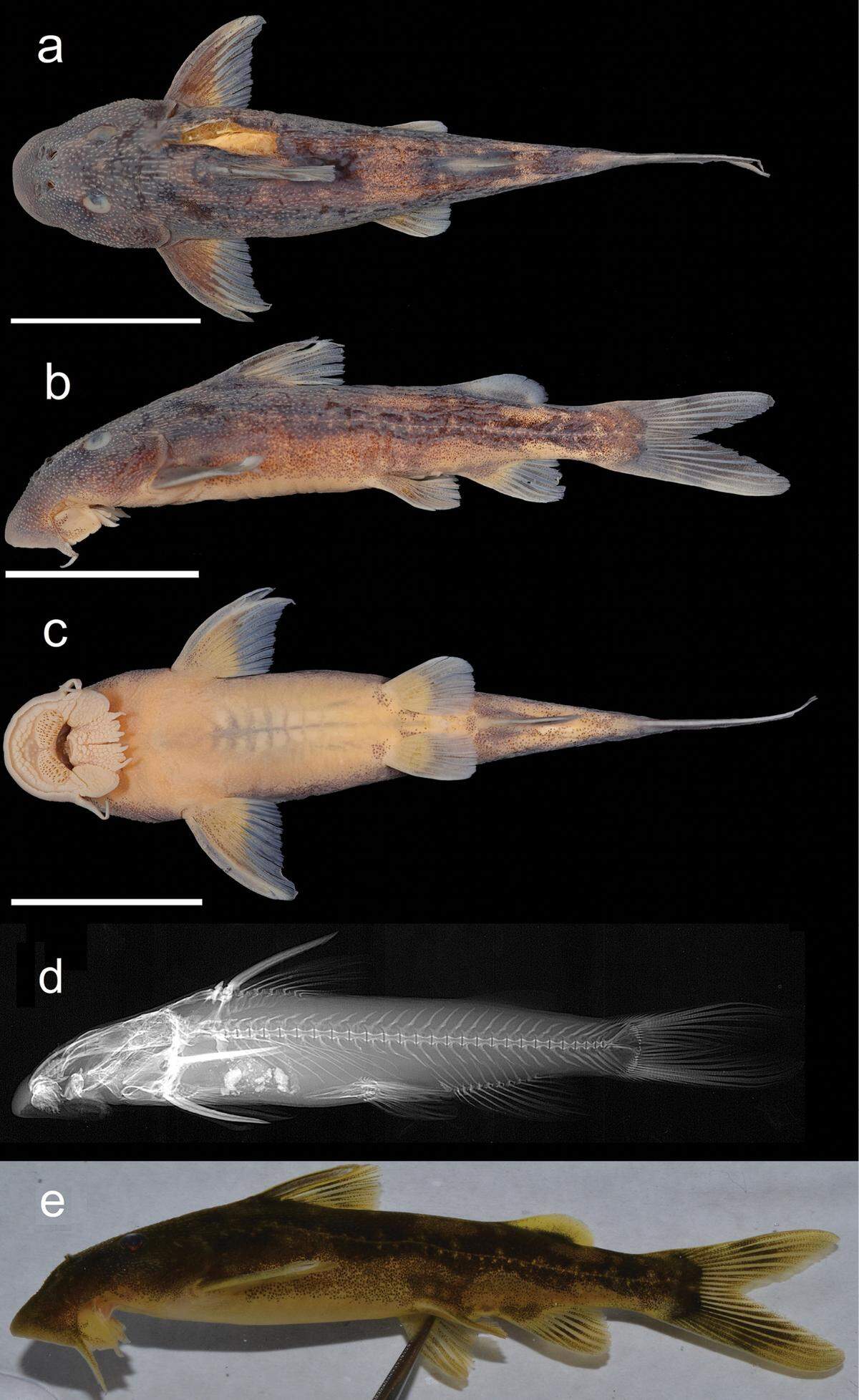
The holotype, or primary specimen used to describe the species, is about 2.5 inches long and found in the Honde River, according to the study.
The species has anywhere from 68 to 128 teeth at the front of the upper jaw, while other related species found in southern Africa “consistently have fewer than 68,” according to the study.
The body of the fish is described as “elongate” with “numerous tubercles spread across (its) body” that form “distinct ridge like structures” and give the skin a “rough” texture, researchers said.
The species was named for this trait, combining the Latin words “aspero,” meaning rough, and “cutis, meaning skin, according to the study.
The fish is generally brown with varying shades and blotches, researchers said. In life, the pale brown sections of the fish are actually a “golden color.”
The rough skin suckermouth lives “in rocky habitats with fast flowing water,” with their mouths on the bottom of their heads as a way of attaching themselves to wood, rocks or other surfaces, or to eat algae.
The second new species, Chiloglanis compactus, was named for its smaller size, according to the study.
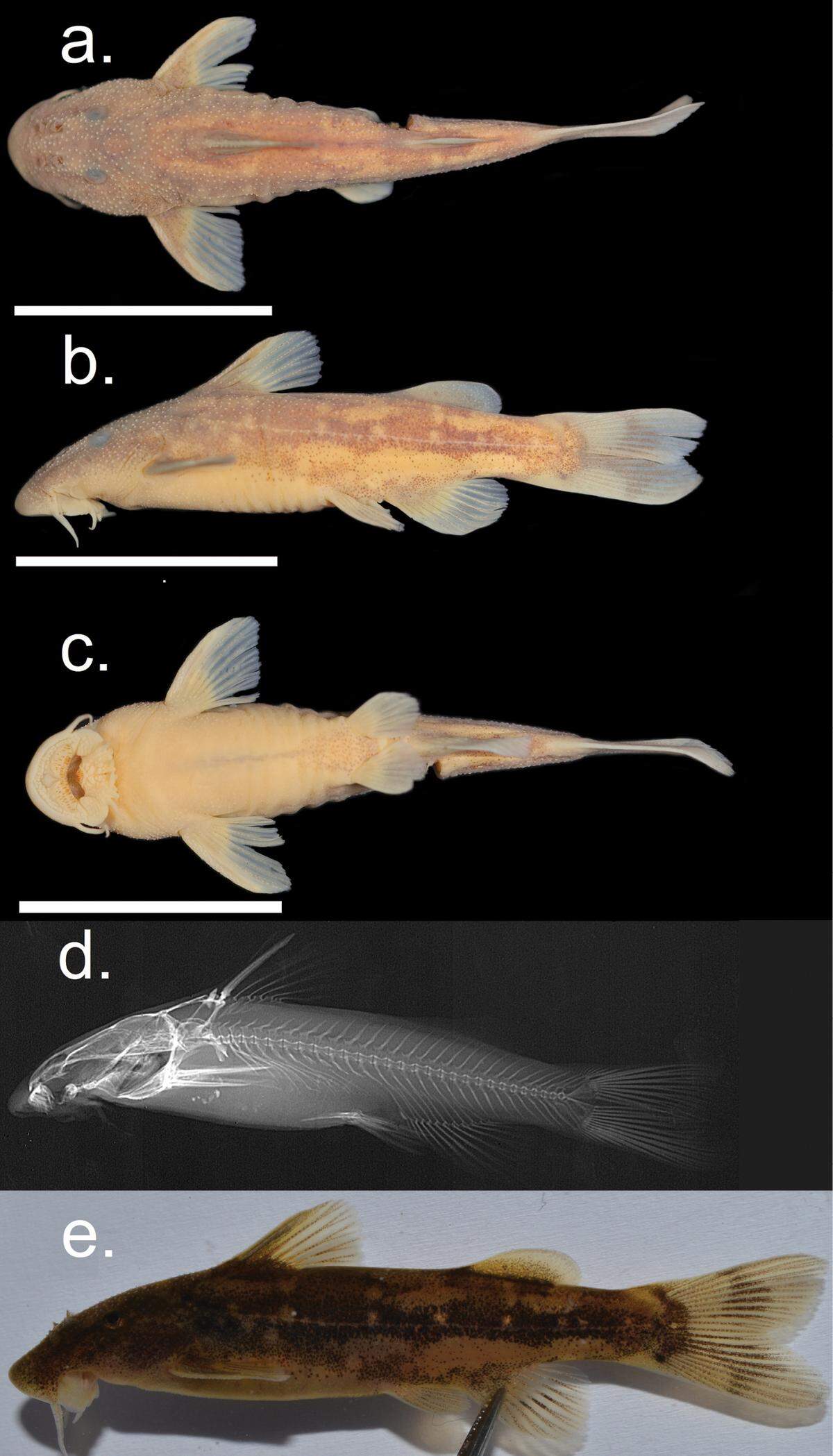
Also known as the dwarf suckermouth catfish, the species is the smallest of all related species found in southern Africa at just 1.7 inches long, according to the study.
Its body is “short and rotund” with a “relatively big” head and between 31 and 53 upper jaw teeth, researchers said.
Some of the fish are “very dark” with clear patterns, while others are lighter, according to the study.
“This species occurred at multiple localities in the Pungwe and Buzi river systems with the majority of the collections occurring at high elevation,” researchers said.
Like the rough skin suckermouth, the dwarf suckermouth “occurs in rocky habitats with fast flowing water,” however, “its diet was not examined,” according to the study.
Both species were found in eastern Zimbabwe, a country in southeastern Africa.
The research team includes Tadiwa I. Mutizwa, Taurai Bere, Wilbert T. Kadye, Pedro H. N. Bragança and Albert Chakona.
This story was originally published June 18, 2025 at 12:42 PM with the headline "River creature — with more than 100 teeth — found as new species in Zimbabwe."