Lake creatures — with hatched babies in their mouth — are new species. See them
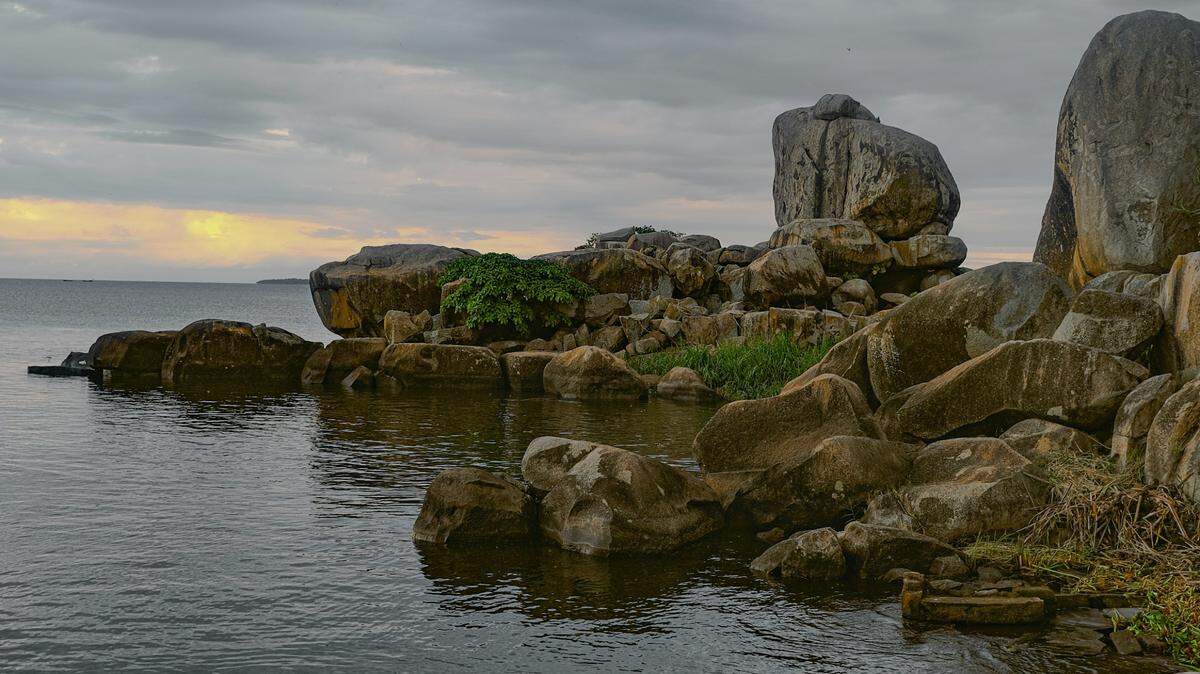
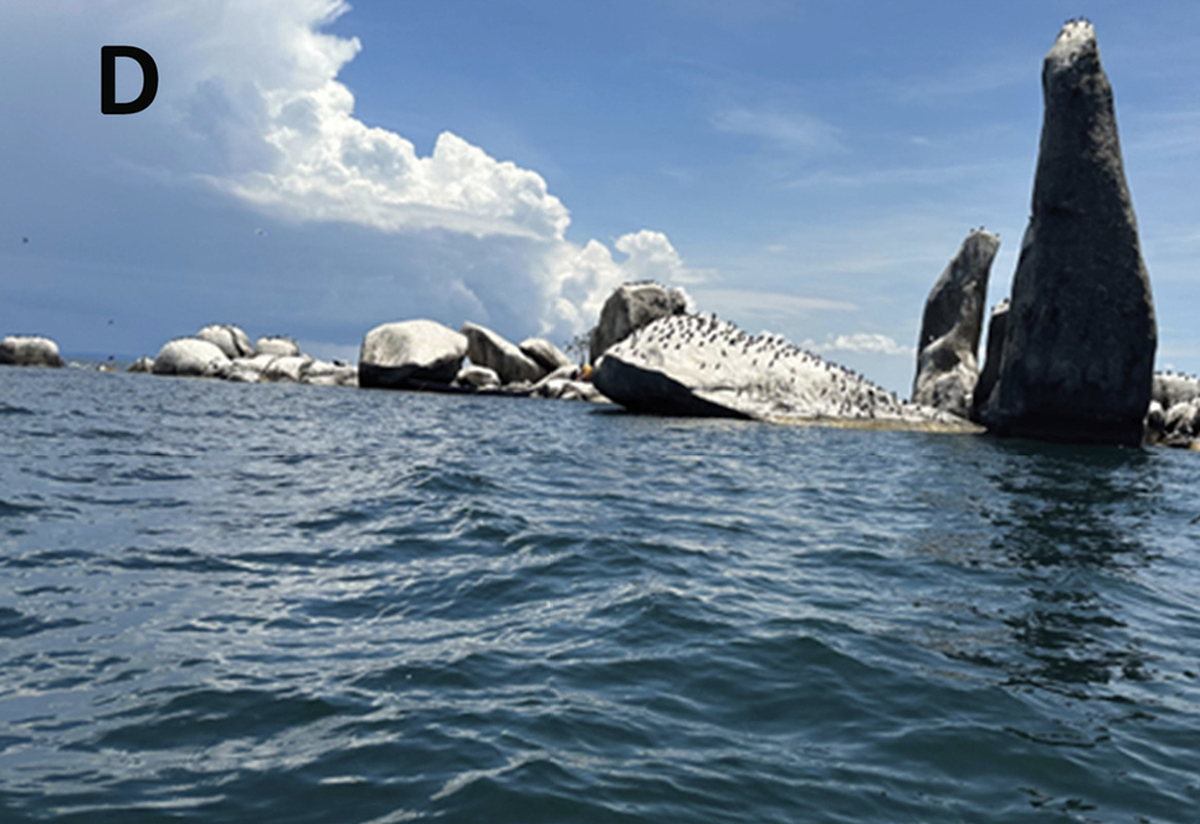
In Lake Victoria, the largest tropical lake in the world, rocky outcrops provide a home for freshwater snails.
It’s also where they are hunted.
The lake covers land in Kenya, Uganda and Tanzania in eastern Africa, and the southern end is now home to two newly discovered species of “snail crushers.”
Six species of Labrochromis, a genus of mollusk-eating cichlid fishes, have been identified in Lake Victoria before, but none from the areas of the lake marked by rocky shores and reefs, according to a June 5 study published in the peer-reviewed journal ZooKeys.
Using gill nets between 1993 and 2010, researchers searched around Python Island, Kissenda Island and Makobe Island within the lake, and found two species of cichlid that looked different than ones found in other parts of Lake Victoria, according to the study.
They were described as two new species — Labrochromis mawe and Labrochromis mawepili.
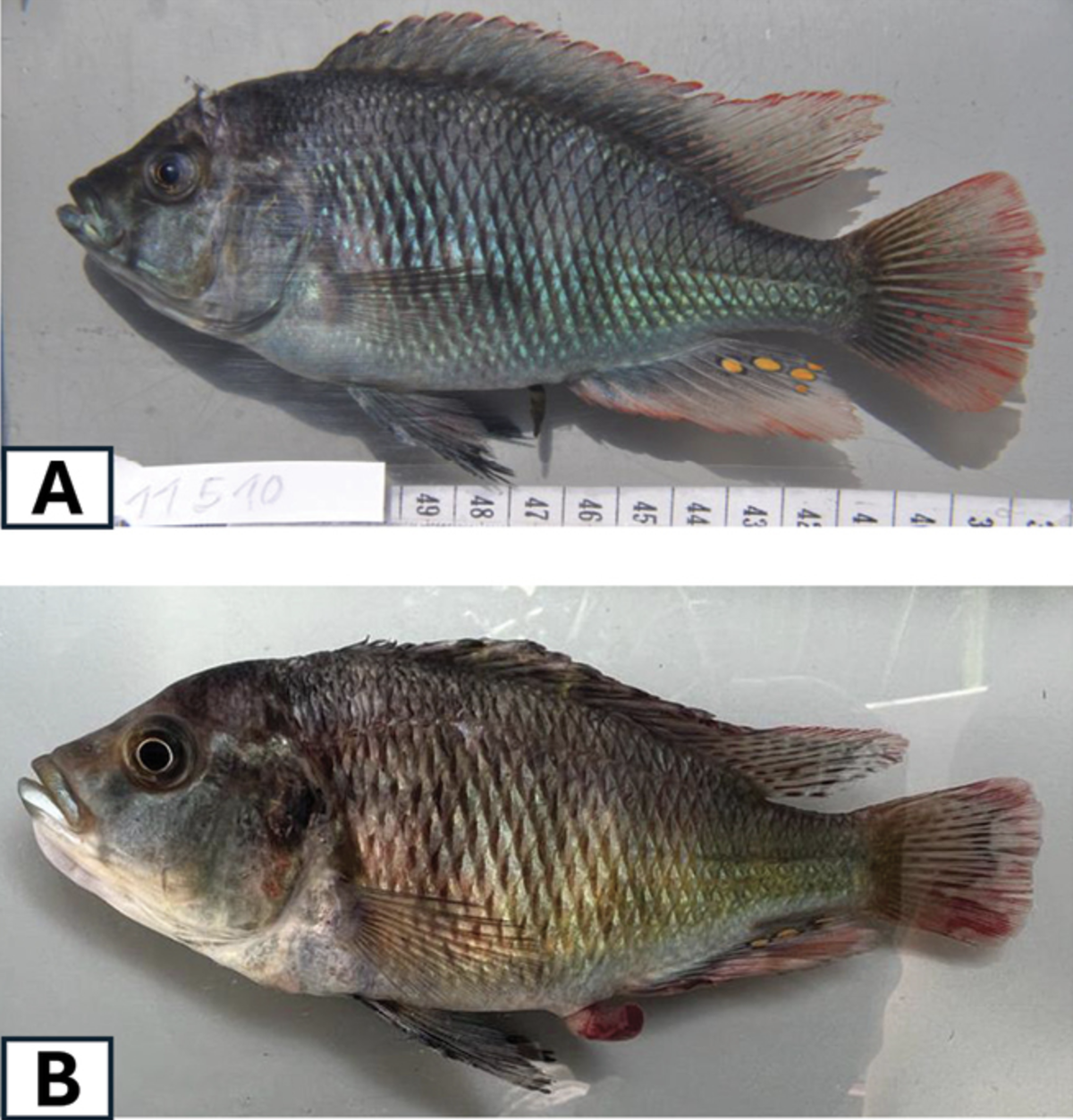
Labrochromis mawe, or the stone snail-crusher is a “large growing robust and deep-bodied species with a blunt and wide head,” researchers said.
They have two rows of teeth, with an outer pointy row and a smaller inner row, according to the study. The fish also have “strongly enlarged” pharyngeal teeth, a set of teeth that sit inside the throat on the pharyngeal bone and are used for food processing and breaking down hard material like snail shells.
Males and females of the species have “broad vertical bars” of color on their sides, or flanks, researchers said.
Male stone snail-crushers exhibit “nuptial color polymorphism,” or bright colors on the body that only show during mating season, according to the study.
The fish have two color morphs, either “entirely blue on the flanks” or “reddish” on the head with yellowish and grey coloration on other parts of the body, researchers said.
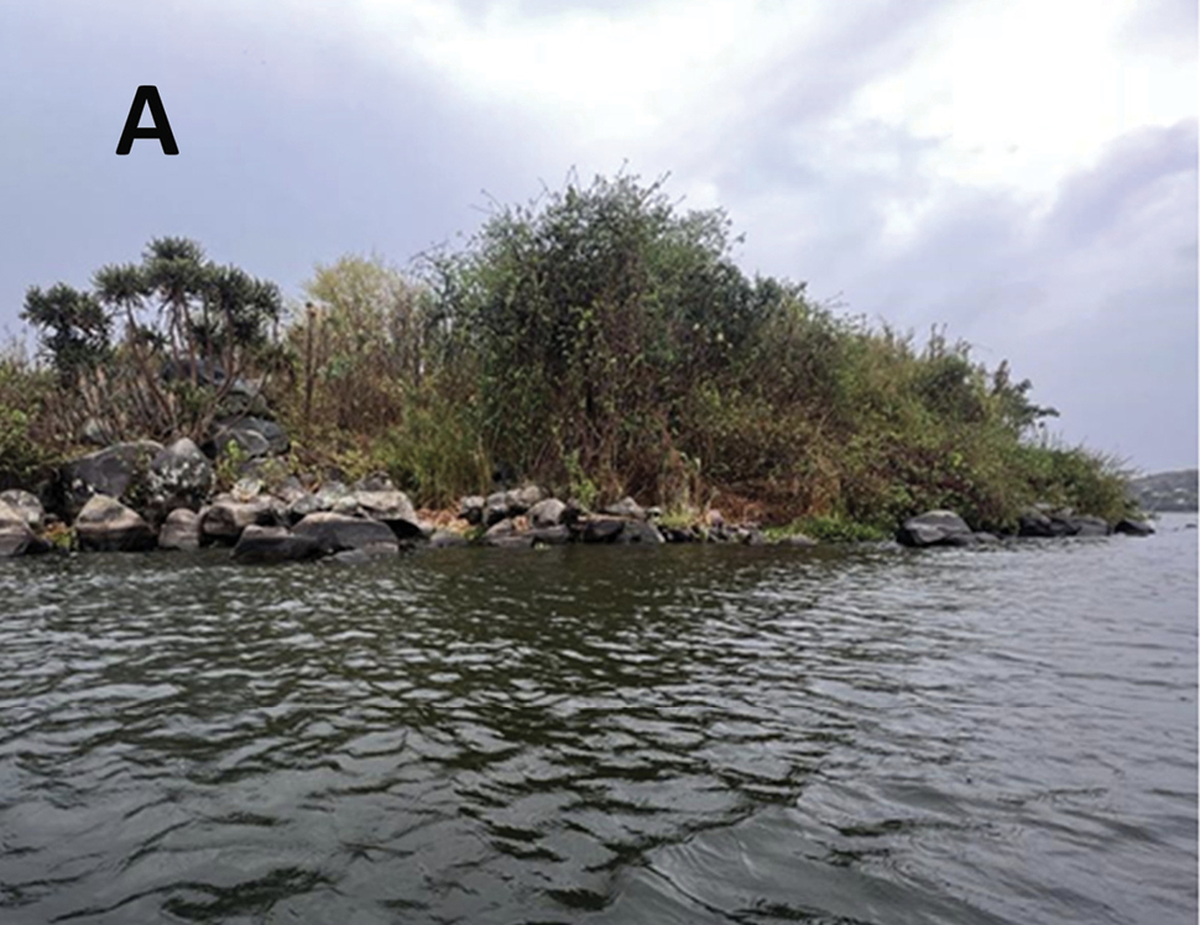
“The species inhabits moderately steep to steep slopes, with medium sized to very large rock boulders,” researchers said. “Subadult individuals are commonly caught in shallow inshore waters between rock boulders while adults inhabit greater depths.”
Stone snail-crushers, like all other Labrochromis found in Lake Victoria, are known as “mouthbrooding care giver(s),” meaning the females of the species hold their eggs in their mouths until they hatch, according to the study.
This practice provides the hatched larvae “with a safe and nurturing environment until the larvae have resorbed the yolk sac and develop into independent, free-swimming juveniles,” researchers said.
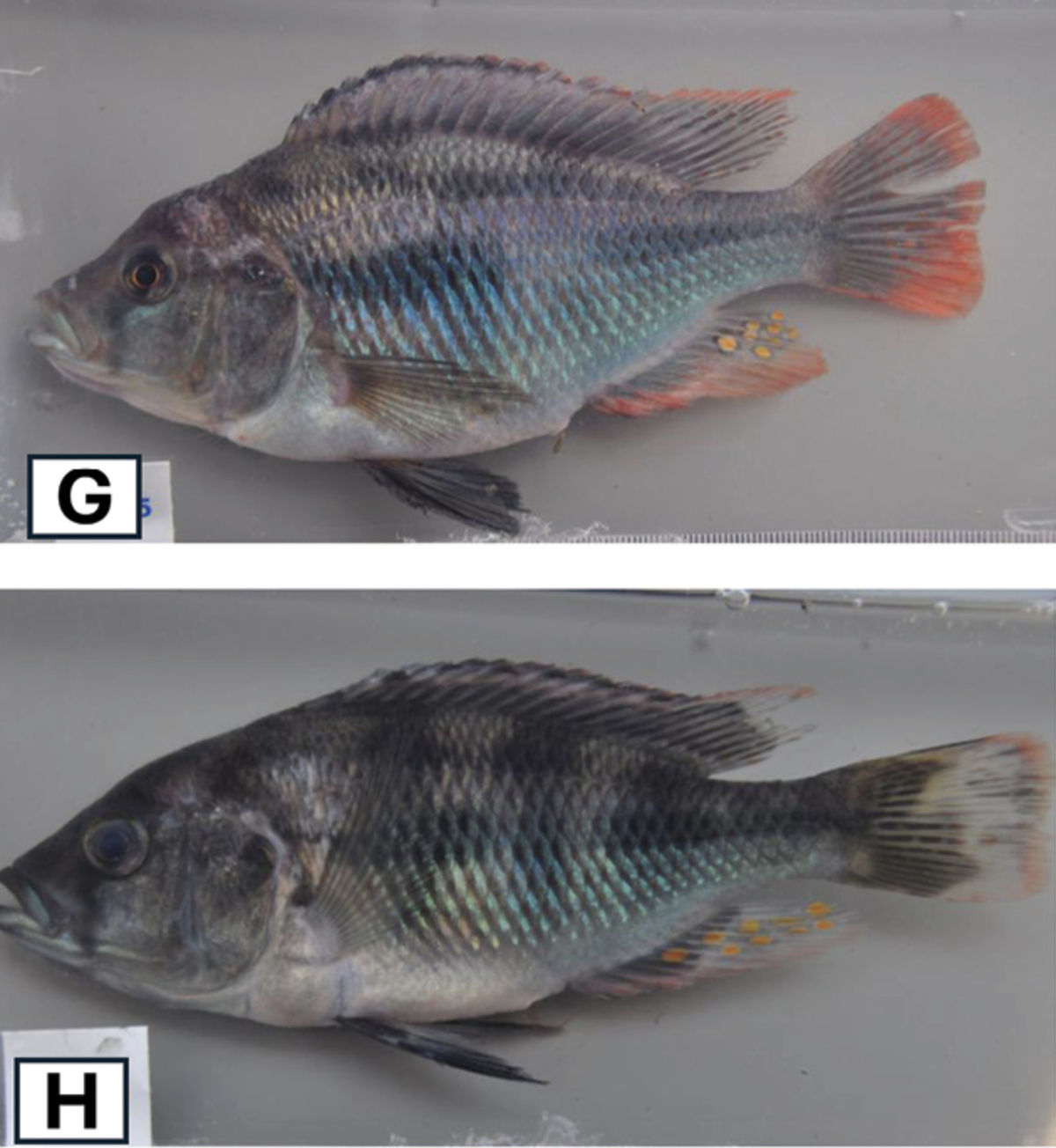
The second new species, Labrochromis mawepili, is similar to L. mawe.
The “species name mawepili, from Swahili, mawe means stone and pili means second,” researchers said. It “refers to (the) similarity in habitat association between this species and L. mawe and the superficial resemblance with the latter.”
But, the second stone snail-crusher is found in a different region of the lake, according to the study.
“Both adults and subadults exhibit a broken dorso lateral and broken mid-lateral bands, together with the 4 vertical bars creating a broken chessboard pattern,” researchers said. “The broken chessboard pattern is more prominent in females and subadult males.”
Males of this species also exhibit different colors during mating season, in this case “metallic blueish” and “purplish” or grey with “red streaks.”
The fish have the same breeding practice as L. mawe, and other species in their genus.
“Labrochromis mawe sp. nov. and L. mawepili sp. nov. are unique among described Labrochromis species in their tight association with rocky habitats, a feature not observed in other described Labrochromis species,” researchers said. “Additionally, these newly described species exhibit smaller eyes than all previously described species, probably because they live in better illuminated habitat(s).”
The new species were found in the Tanzania region of Lake Victoria, in east-central Africa.
The research team includes Anna Mahulu and Ole Seehausen.
This story was originally published June 6, 2025 at 9:39 AM with the headline "Lake creatures — with hatched babies in their mouth — are new species. See them."