Rare predator with a unique genetic trait caught on camera in Thailand forest
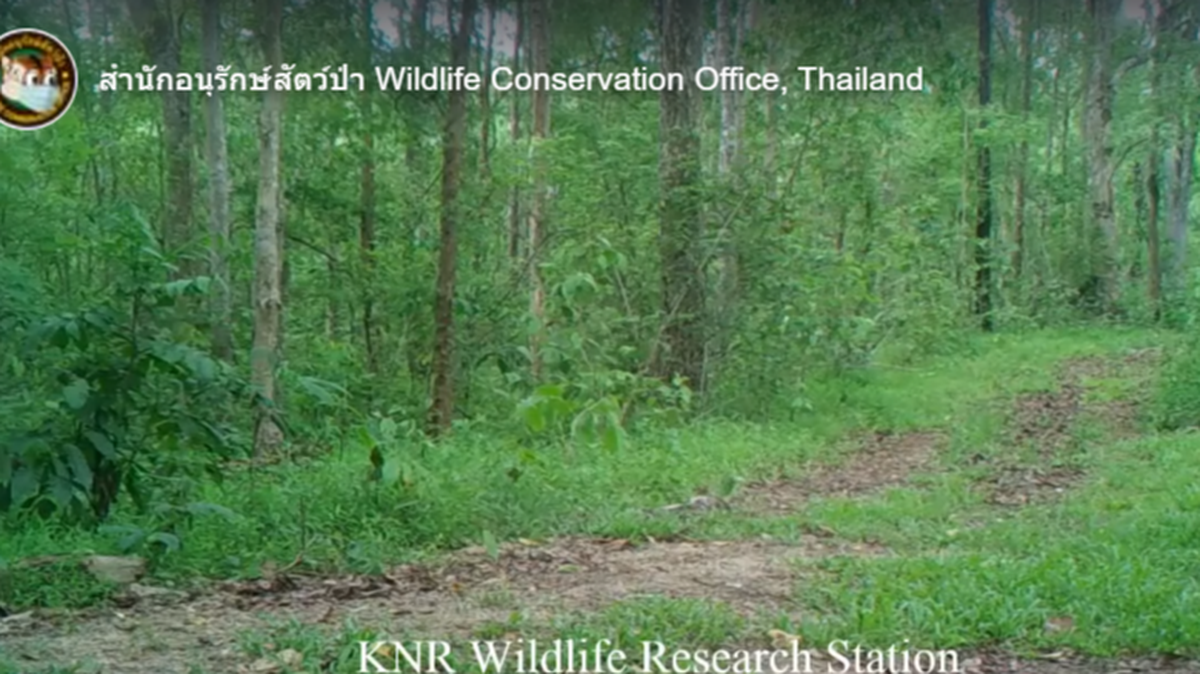
In a forest in western Thailand, the rare appearance of a large black cat was an exciting sight for wildlife experts and a sign of good luck for the species.
Camera traps in Huai Kha Khaeng Wildlife Sanctuary captured a video on April 28 of a healthy young black leopard, also known as a black panther, confidently striding down a path, according to a May 21 Facebook post from Thailand’s Wildlife Conservation Office.
Wildlife officials said the panther’s healthy appearance indicates the forest has an abundance of food sources able to sustain such a large predator and the growing population of its species.
Officials predict the young male is ready to mate, which is important for increasing the genetic diversity of the leopard population in the sanctuary, according to the post.
Experts said there are believed to be more than 10 black panthers living in the sanctuary.
Black panthers are classified as the same species as leopards. They have a genetic trait called melanism that makes their fur completely black, experts said.
Huai Kha Khaeng Wildlife Sanctuary is about a 180-mile drive northwest from Bangkok. Officials said the protected forest is home to many rare and endangered species.
Video of the black panther was captured by the Khao Nang Ram Wildlife Research Station, located within Huai Kha Khaeng Wildlife Sanctuary.
Google Translate was used to translate the Facebook post from Thailand’s Wildlife Conservation Office.
This story was originally published May 21, 2025 at 2:23 PM with the headline "Rare predator with a unique genetic trait caught on camera in Thailand forest."