‘Silent, solitary and seldom seen’ creatures caught on trail cam in South Africa
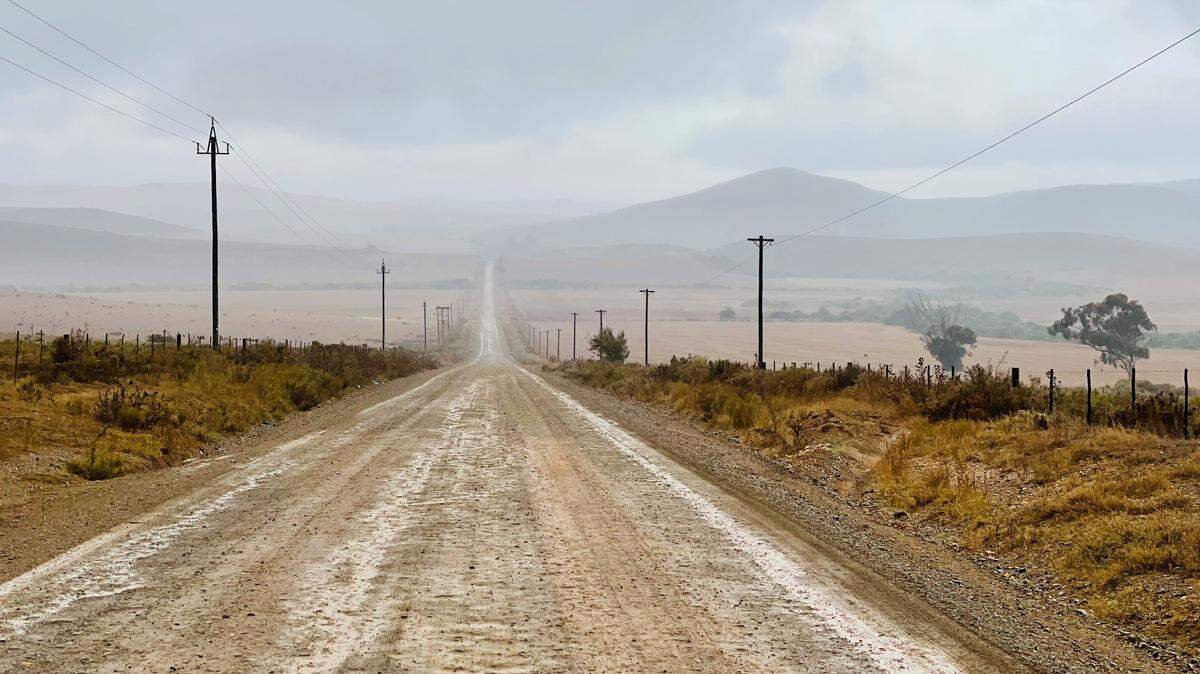
In the plains of South Africa, a group of creatures have been dubbed Africa’s Big Five for their renowned strength, iconic image and appeal to tourists.
The group — including lions, leopards, rhinoceroses, elephants and the African buffalo — are scattered across the landscape, but some are easier to see than others.
It’s hard to miss the towering elephants or a pack of lions led by a large male, but the club’s most elusive member blends perfectly into the nooks of trees or the grassy and rocky landscape.
African leopards are “silent, solitary and seldom seen,” and remain “one of nature’s best-kept secrets,” according to the Morukuru Family and Morukuru Goodwill Foundation, a hospitality group operating out of South Africa’s De Hoop Nature Reserve and the Madikwe Game Reserve.
In February, the Morukuru Goodwill Foundation announced support for the Landmark Foundation’s Leopard Conservation Project in De Hoop Nature Reserve, an effort that would install camera traps in the reserve in hopes of monitoring the leopard population that calls the park home, according to a Feb. 11 news release from the Morukuru Family.
More than 30 traps were set throughout the reserve, and now, some of those images are being viewed for the first time.
The traps ran for 50 days and took 4,223 images from the reserve, and they caught “an exciting development,” the group said in a May 2 news release.
Not only was a leopard photographed, but there was more than one.
.JPG "DHR-04B (322).JPG")
“This is an incredibly hopeful moment,” Morukuru Family co-founder Ed Zeeman said in the May release. “To confirm the presence of not one, but two leopards, is a testament to the power of patient, long-term conservation work — and meaningful collaboration. It underscores our shared commitment to protecting not only leopards but the broader biodiversity of De Hoop.”
One of the leopards was identified as a male, roaming in a certain area of the reserve, while the other is suspected to be female, and occupying a different sector, the family said in the release.
“Leopards are keystone predators — crucial to maintaining ecological balance,” Zeeman said in the February release. “By investing in this project, we are contributing to the protection of this species while also creating a platform for education and engagement.”
.jpg "DHR-07A (15).jpg")
Leopards are listed as “vulnerable” worldwide, according to the International Union for Conservation of Nature (IUCN) Red List, and their numbers are decreasing.
“This is exactly the kind of data we hoped to uncover,” Bool Smuts, general manager of the Landmark Foundation, said in the release. “Camera traps offer a non-intrusive way to monitor rare and wide ranging species like leopards. The presence of a male and possible female suggests a viable range and the potential for population stability, provided we continue to protect and connect these habitats.”
Populations of leopards live across Africa south of the Sahara Desert, on the west side of the Arabian Peninsula, throughout the Middle East and across southern Asia into China, according to the IUCN.
.jpg "DHR-22B (34).jpg")
The camera traps also picked up images of 17 other mammal species, ranging from caracal cats and porcupines to honey badgers and bushpigs, the family said. Photos of the animals were shared on the organization’s blog.
De Hoop Nature Reserve is located on the southwestern coast of South Africa, about a 150-mile drive southeast from Cape Town.
This story was originally published May 13, 2025 at 10:58 AM with the headline "‘Silent, solitary and seldom seen’ creatures caught on trail cam in South Africa."