‘Almost cylindrical’ creature found on Indonesian beach is new species. See it
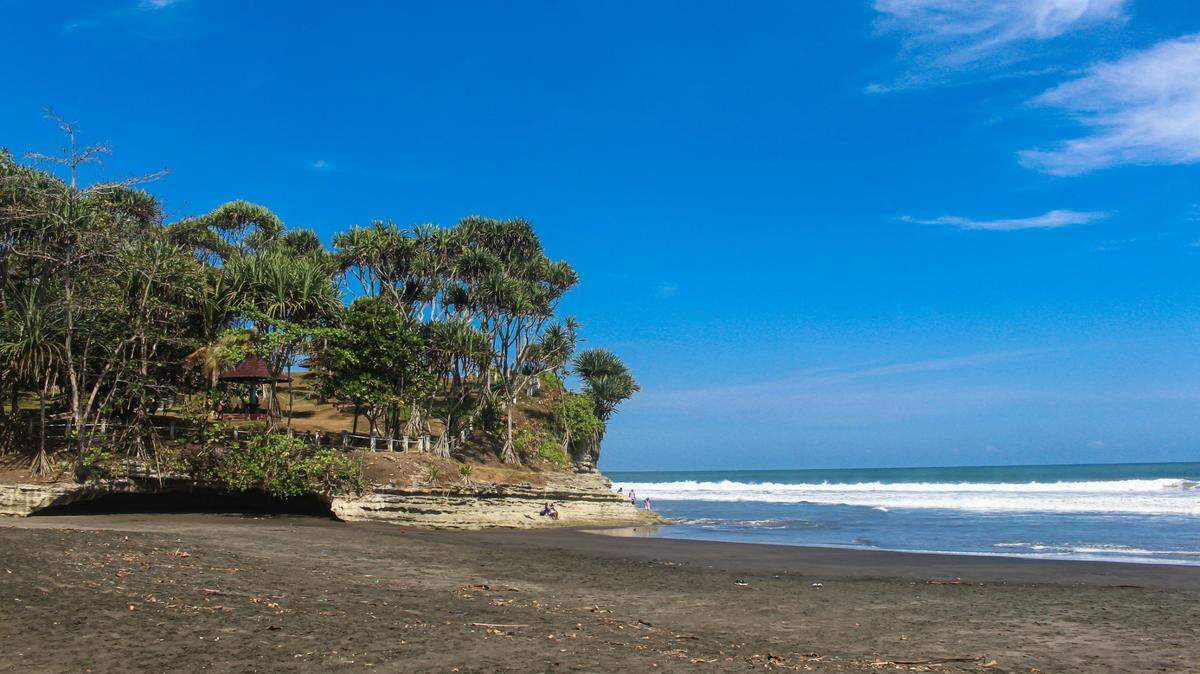
Along the coast of Indonesia, researchers encountered several unusual “mole”-like creatures living in the swash zone, where the waves rush up the beach before receding.
They had discovered a new species of Emerita crab, or mole crab, buried in the coarse sand of Java island, according to a study published May 5 in the peer-reviewed journal Zootaxa.
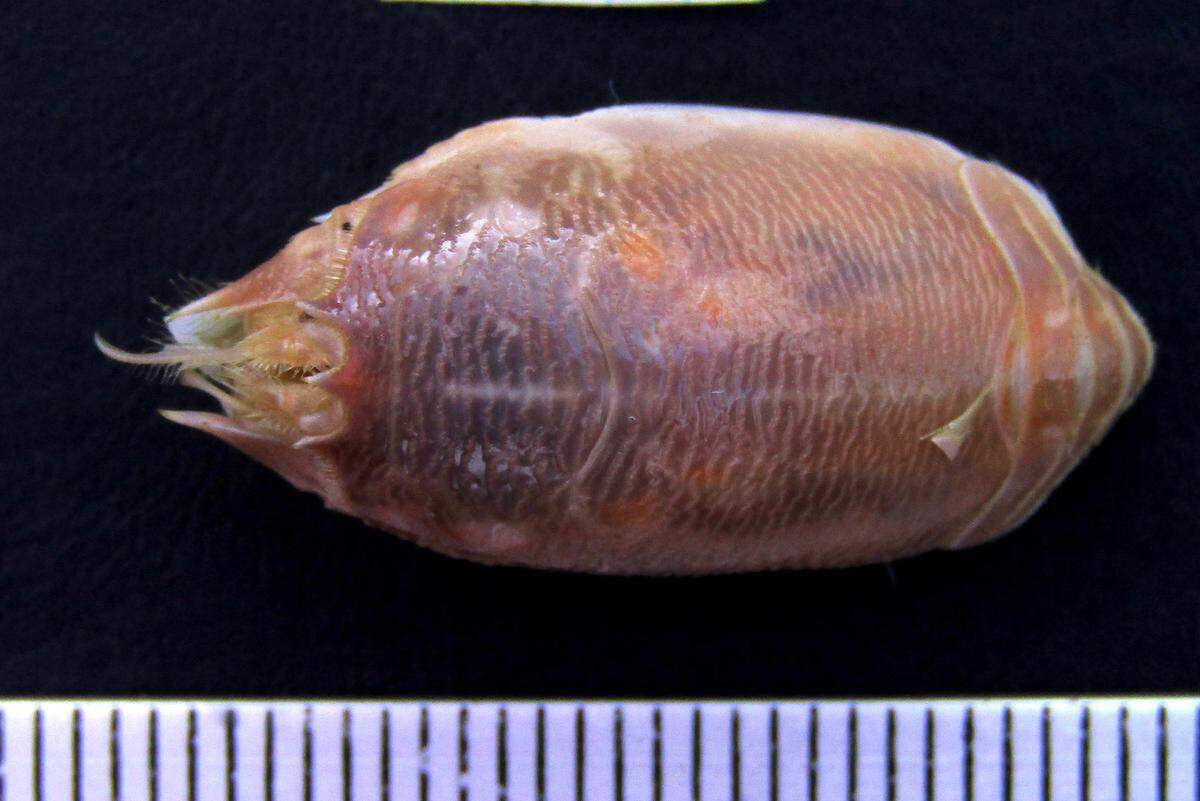
Researchers suspected Emerita pangandaran was a new species based on the “prominent” ridges on its shell — a distinct difference from the four other known species of mole crabs that make up the Emerita genus, according to the study.
Emerita pangandaran was found on Pangandaran Beach and Sodong Beach, both on the southern coast of Java, the study said.
Researchers described the sand-colored mole crab as having an “almost cylindrical” body. The specimens they collected by hand measured between about three-quarters of an inch and 1.5 inches long, according to the study.
During their fieldwork, researchers also recorded the presence of Emerita pangandaran’s known “sister species” — Emerita emeritus — on the island.
As filter feeders, mole crabs are considered important indicators of environmental health and quality, according to researchers.
Mole crabs burrow themselves in the intertidal swash zone but leave their antennae exposed above the surface to trap food like algae and plankton.
The research team included Achmad Farajallah, Nisfa Hanim, Vinna Windy Putri and Yusli Wardiatno.
This story was originally published May 8, 2025 at 2:33 PM with the headline "‘Almost cylindrical’ creature found on Indonesian beach is new species. See it."