Striped creature — with ‘golden’ eyes — found in Brazil river. See new species
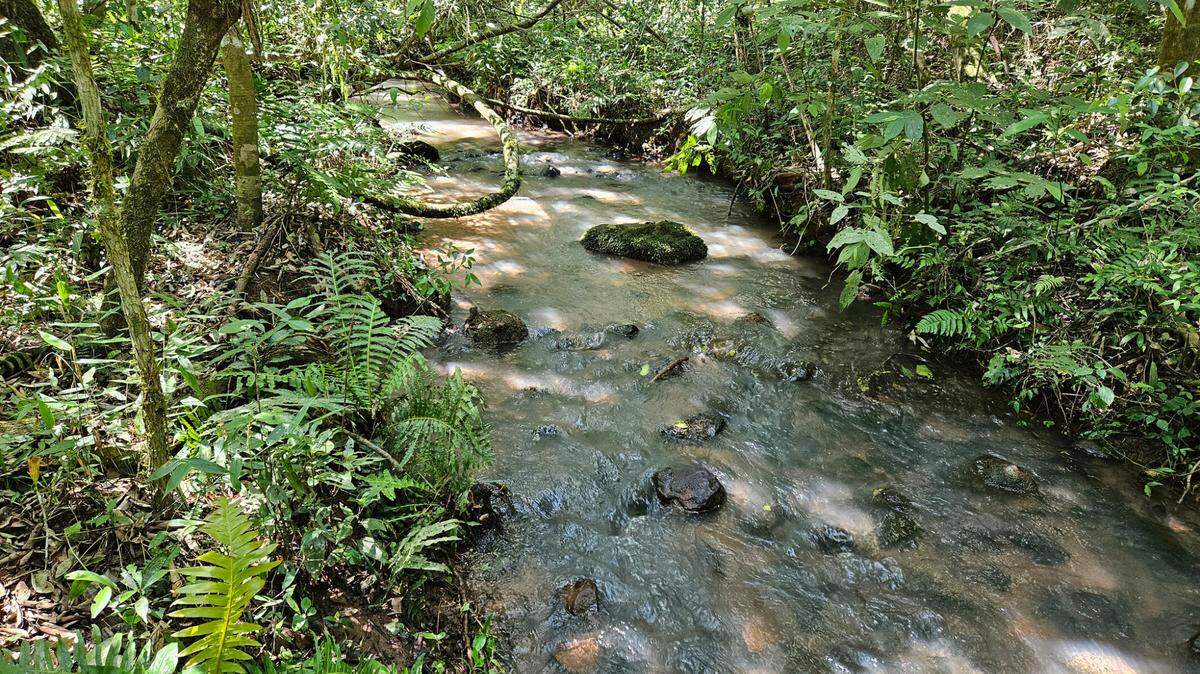
At the border of Brazil and Argentina, the land splits open and water from the Iguaçu River tumbles down rocky outcrops.
Iguaçu Falls is home to one of the tallest waterfalls in the world at more than 250 feet high, and provides a towering barrier between the two nations.
Just a few miles downriver, on Brazil’s side of the falls, researchers conducting surveys in Iguaçu National Park caught something on the other side of the size spectrum — a new species of fish just a few inches long.
Characidium dumonti lives among the rocks and pebbles at the bottom of the fast-flowing streams in the national park, according to a study published April 9 in the peer-reviewed Journal of Fish Biology.
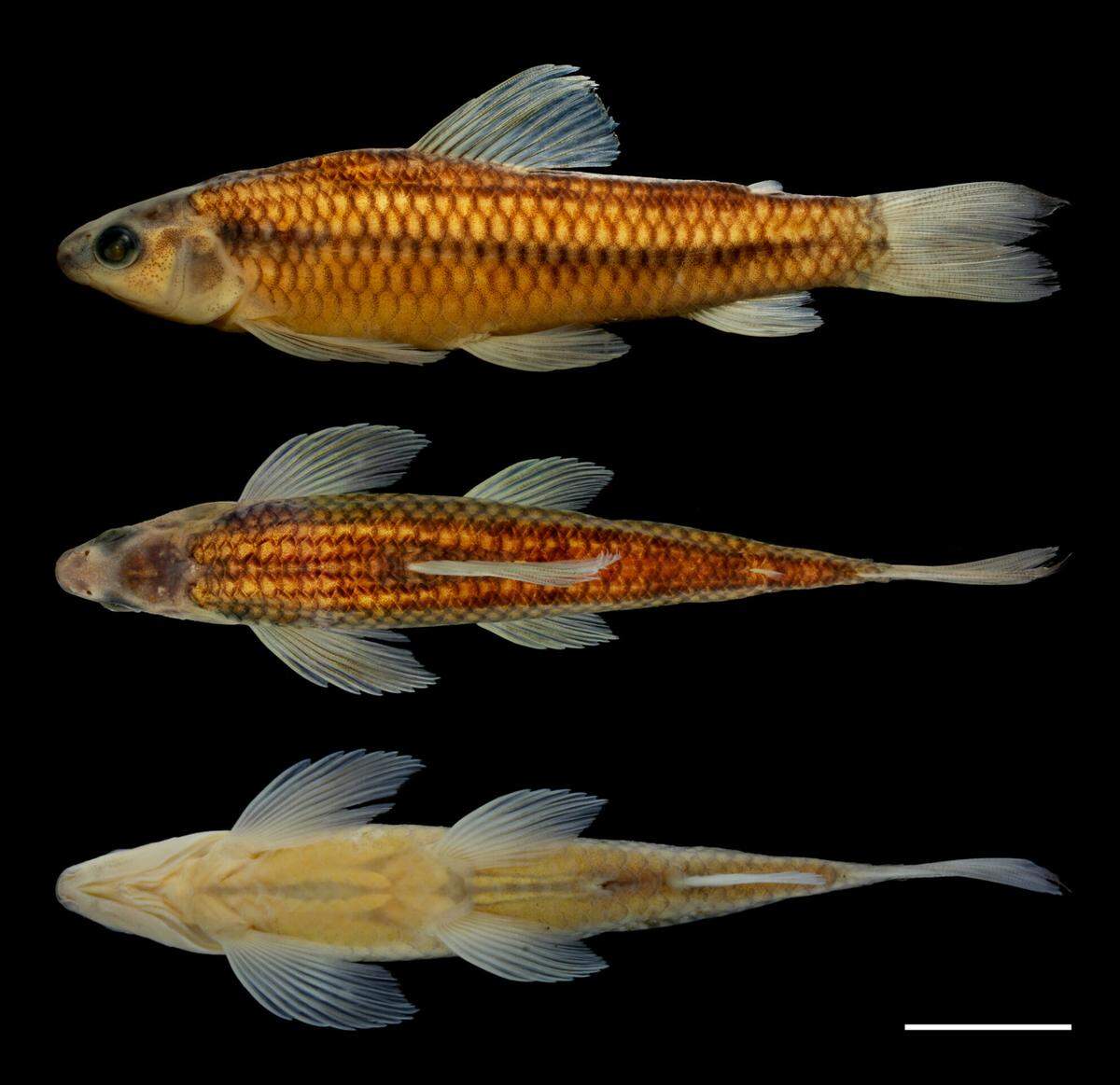
The fish’s body is generally yellow, with black scales forming a stripe down the side of its body, according to the study.
It has translucent fins and eyes with “golden hues,” researchers said.
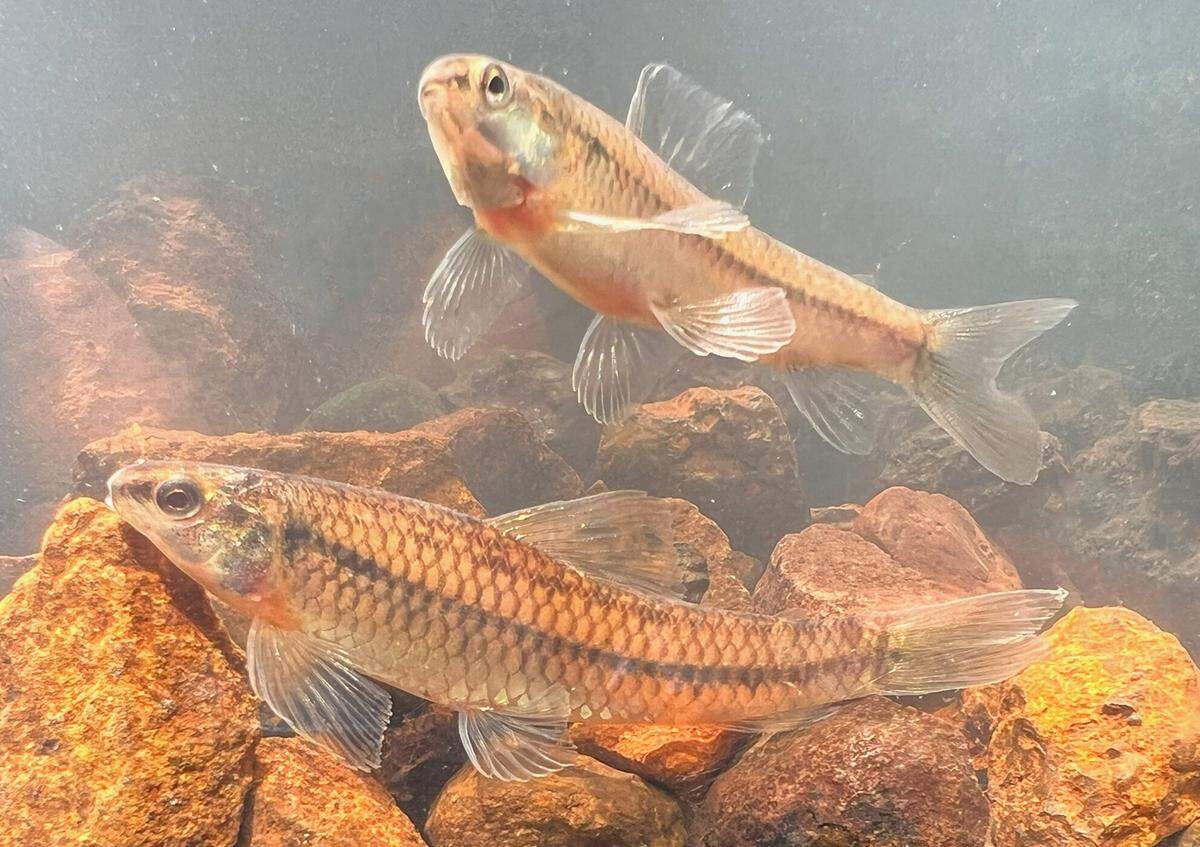
The fish is small with the holotype, or primary specimen, measuring just 2.4 inches long, and other fish ranging in size from 1.6 inches to 2.7 inches long, according to the study.
Despite its small size, researchers described its body as “elongate” with a “triangular-shaped” snout and broad cheeks.
It stands out from other related species by the absence of “conspicuous dark-brown vertical bars, blotches and spots along the sides of (the) body,” according to the study.
Males and females of the species look the same, meaning there isn’t sexual dimorphism, or sexes of the same species appearing different physically.
“Despite extensive sampling efforts in tributaries near its type locality (or primary habitat) within the Iguaçu basin and adjacent basins, such as the Piquiri, the new species has only been observed in two sites,” researchers said. “... The vegetation around the streams is a well-preserved remnant of the Atlantic Forest, with tracks of large mammals such as tapirs.”
The species was named after Alberto Santos-Dumont, who researchers said is “regarded as the father of aviation,” according to the study.
Dumont visited the falls in 1916 and helped to convince the government the land needed to be protected, leading to the establishment of the Iguaçu National Park, according to the study.
Iguaçu National Park is in the southern tip of Brazil, along the border with Argentina on the north side of Iguaçu Falls.
The research team includes Bruno H. M. Stabile, Renan B. dos Reis, Alessandra V. de Oliveira and Weferson J. da Graça.
This story was originally published April 14, 2025 at 5:06 PM with the headline "Striped creature — with ‘golden’ eyes — found in Brazil river. See new species."