Deep-sea creature — waiting in ‘glass sponges’ to ambush — is new species in Pacific
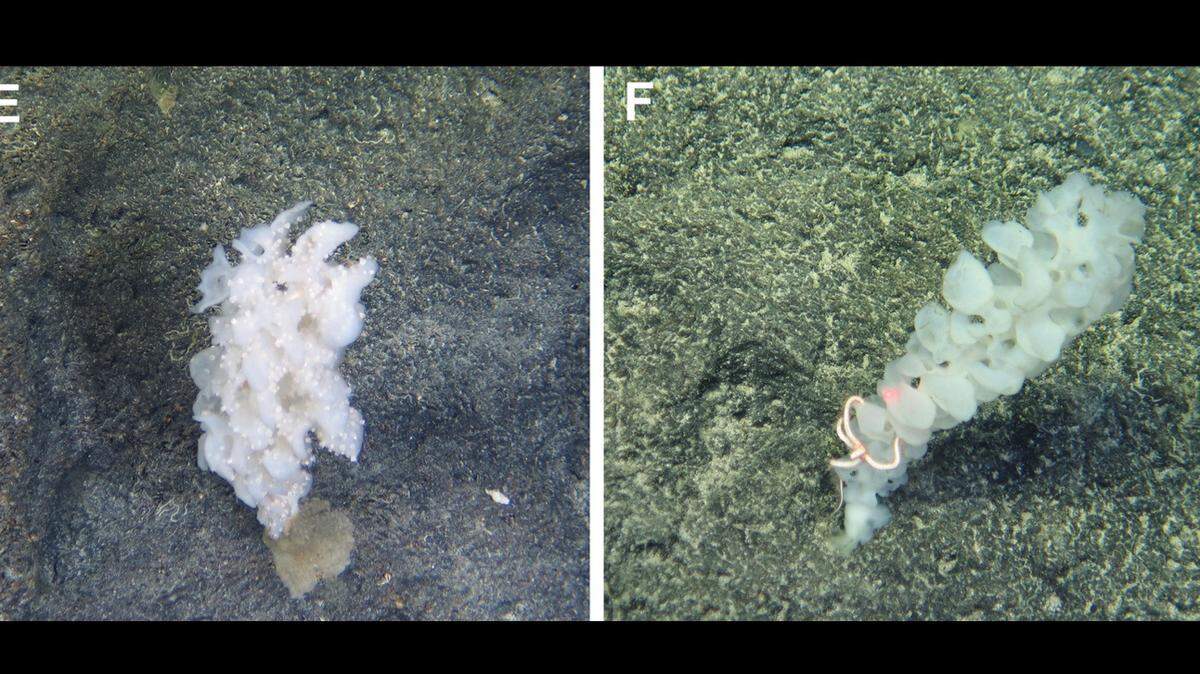
The underwater mountains of the northwest Pacific are dotted with various types of coral, sponges and plants. Some species are rigid and colorful, while others are nearly translucent and flexible in the water currents.
Glass sponges are found along the deep sea, providing a hiding place for small critters along the seafloor.
For one newly discovered species, glass sponges provide both a home and a hunting ground.
Eunice siphoninsidiator, or the tube ambushing marine bristle worm, was discovered within the structure of glass sponges by a human-operated deep-sea vehicle far off the southern coast of Japan, according to a study published March 5 in the peer-reviewed journal ZooKeys.
The bristle worms, formally known as eunicids, were “picked out from the central cavity of six sponges, while two specimens were extracted from the seventh sponge,” according to the study.
The holotype, or primary specimen used to describe the new species, had a total length of nearly 7 inches, researchers said.
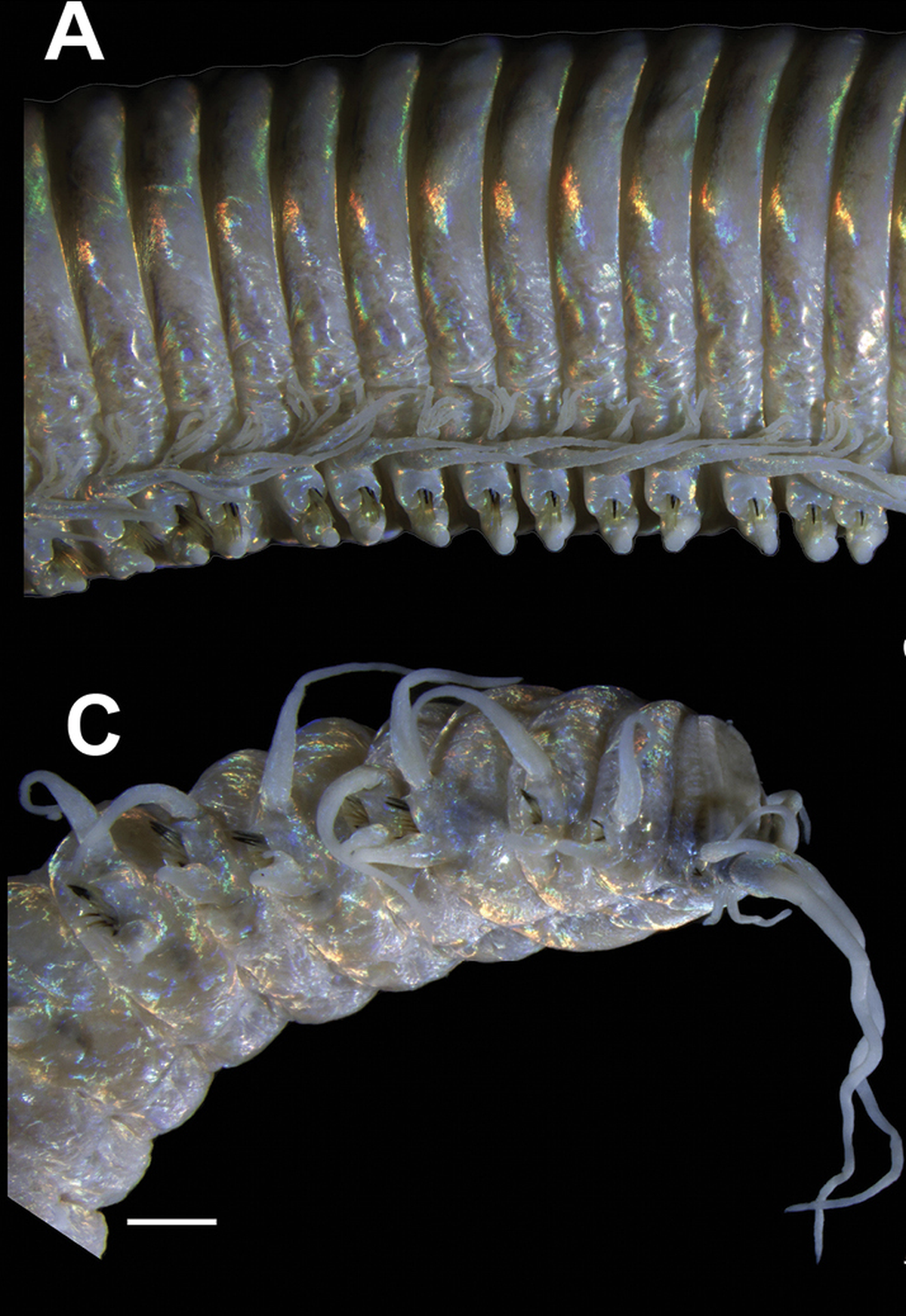
The worms are identifiable from their “iridescent brownish or slightly pinkish” bodies that turn pale white in preservation, according to the study.
The species also have “dark brown” mandibles with “wing-shaped” hard “cutting edges,” researchers said.
The species’ name gives insight into its predatory nature.
Eunice siphoninsidiator is “a combination of two Latin words: ‘siphon-’ meaning ‘tube’ or ‘pipe’ and ‘insidiator’ meaning ‘ambusher,’” researchers said. “This is a reference to the behavior of the species as ambush predator living within (the) tubular structure of glass sponges.”
When researchers opened the worm’s stomach, they found pieces of stalked barnacles and the arm spines from brittle stars, likely constituting the animal’s last meal, according to the study.
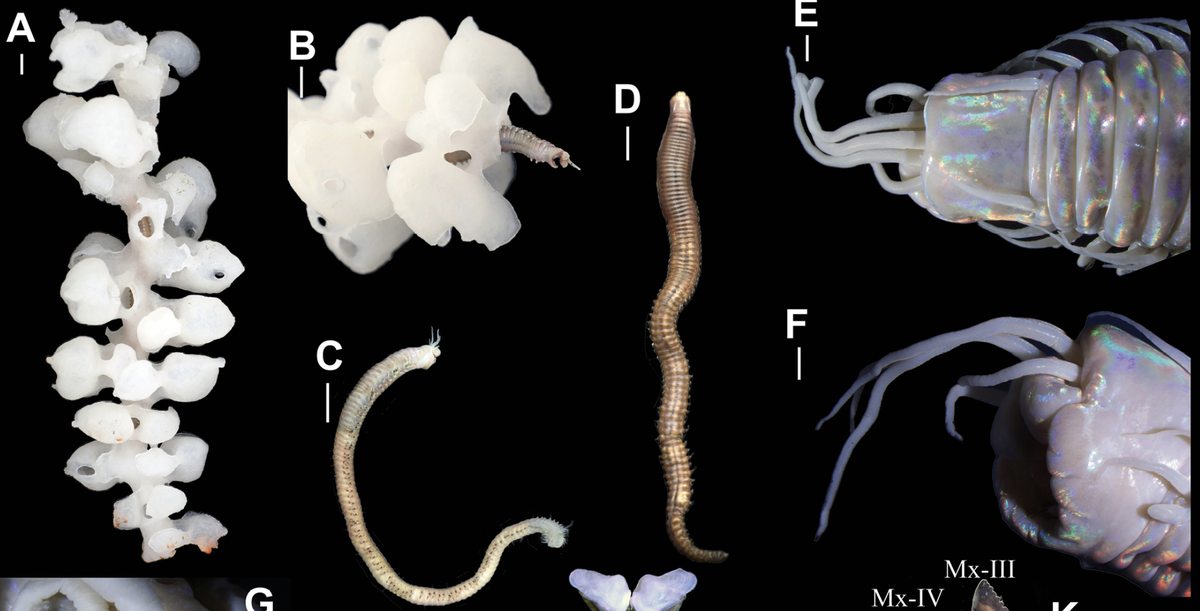
The species were found exclusively “living in association with deep-sea glass sponges on seamounts in the northwest Pacific,” so far, according to the study. The animals were found at a depth around 3,720 feet below sea level.
Related species have been found both “free-living” and as “symbionts,” meaning they live within another organism, researchers said. Species in this genus have been found living in shallow-water sponges, but “this study marks the first documented case of a eunicid inhabiting deep-sea sponges.”
The research team includes Yadong Zhou, Ruiyan Zhang, Chengcheng Shen, Qin Mao, Mouyingke Zhang and Donsheng Zhang.
This story was originally published March 7, 2025 at 4:45 PM with the headline "Deep-sea creature — waiting in ‘glass sponges’ to ambush — is new species in Pacific."