Bright green creature — with ‘leopard’-print thighs — is new species in Japan. See it
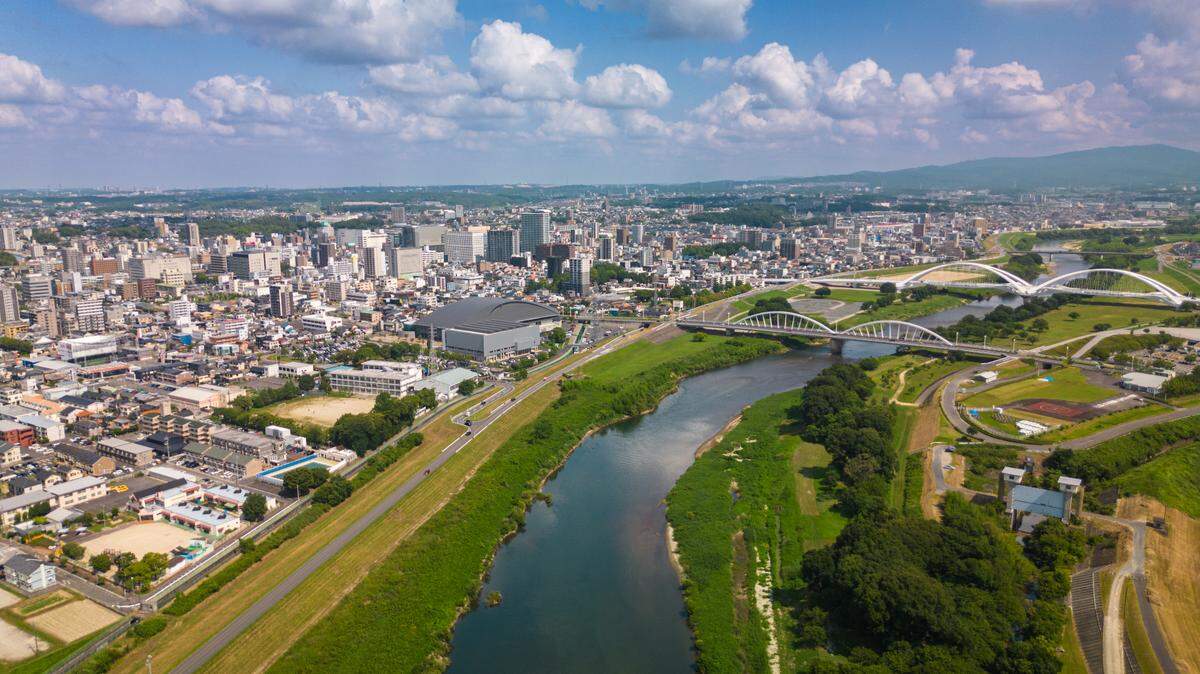
To many across the islands of Japan, small tree frogs, or amagaeru, are a regular sight in gardens and parks around the country.
Japanese tree frogs are found not only in Japan, but also Korea, northeastern China, eastern Mongolia and eastern Russia.
But, when herpetologists and researchers took a closer look at the tree frogs found in the west of Japan and compared them to those found in the east, they noticed distinct differences, according to a study published Feb. 20 in the peer-reviewed journal Zootaxa.
There are actually two distinct species.
Dryophytes japonicus is the name given to the previously identified species well known in Japan, according to the study. It is found in the western half of Japan.
The east Japan tree frog, or Dryophytes leopardus, has been identified as a new species through genetic testing.
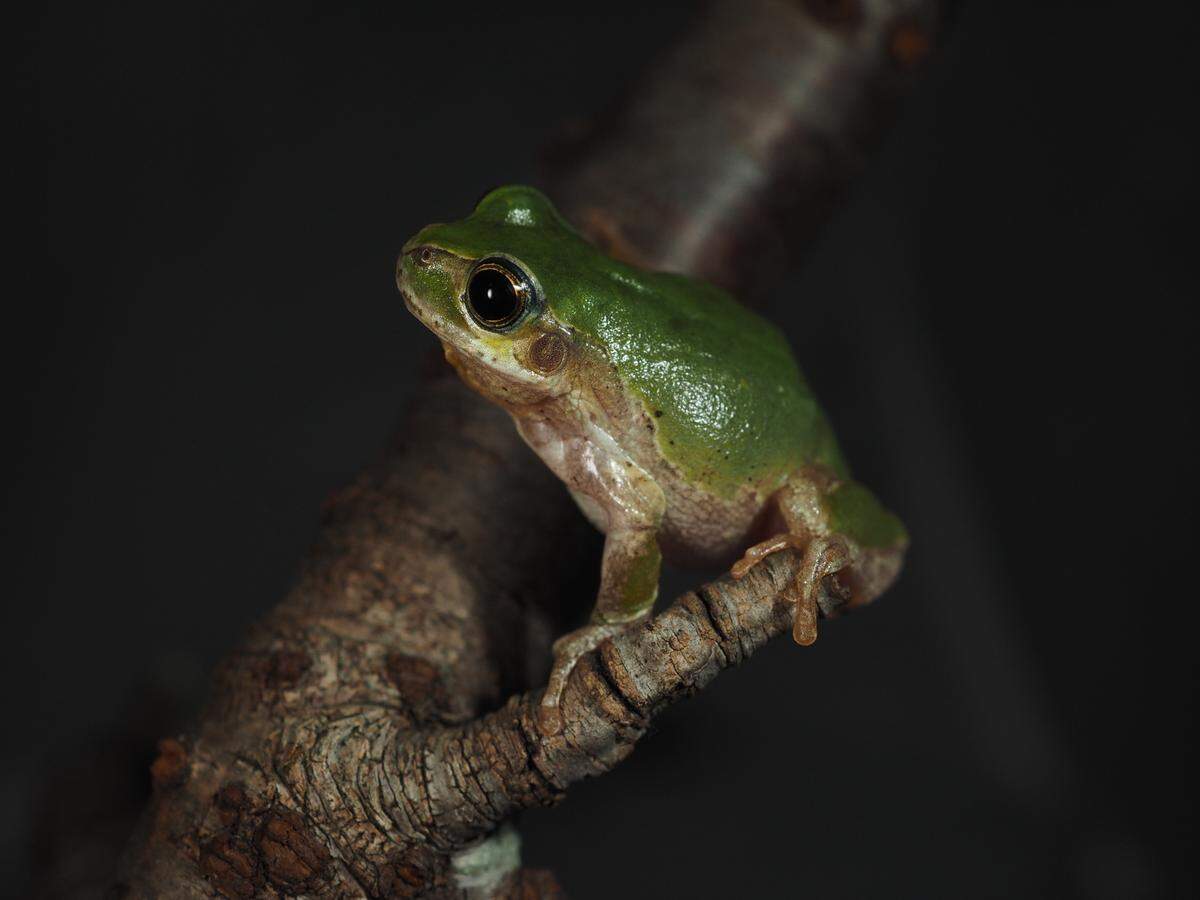
The frog is “moderate-sized” with adult males reaching lengths of up to 1.37 inches, and females reaching as much as 1.65 inches long, according to the study.
It has a “robust” body and short head with a short and rounded snout, researchers said.
The east Japan tree frog has a bright “green fringed” back coloration with a yellow line that goes along the edge of the green patch, photos show.
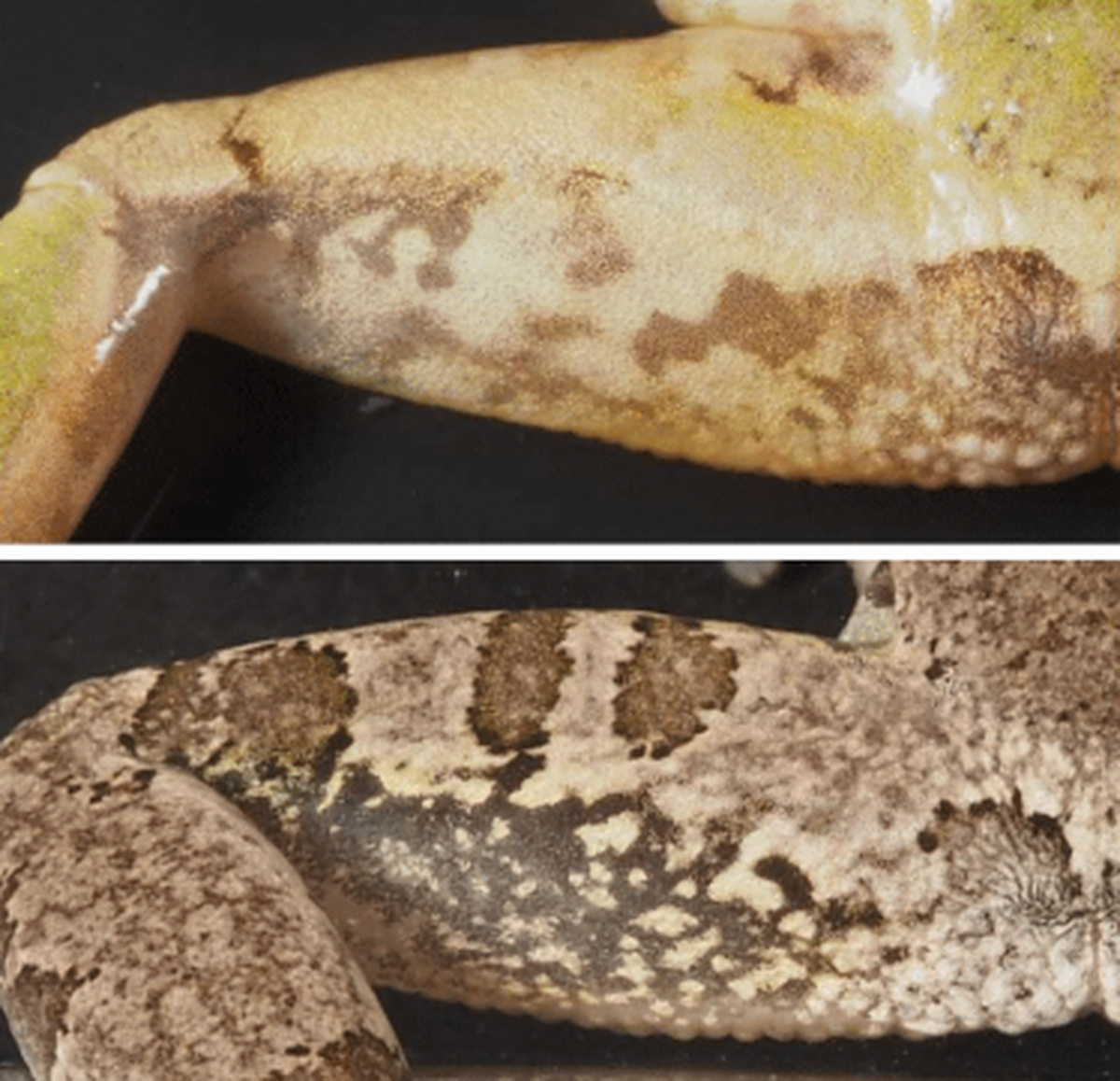
The most notable feature, however, is the coloration on the back of the thighs. They are “marked with several white blotches with (a) reticulated pattern formed by (a) cluster of pigmentation,” according to the study.
The coloration earns the species its name, leopardus, for the “Greek (and Latin) noun denoting a leopard, alluding to the color pattern of the rear of (the) thigh observed in this species,” researchers said.
Males of the species let out calls in a series of short pulses, researchers said. Most of the time, the frogs will call alone, but sometimes, a pair of males will call alternately, each of their calls becoming longer as they trade off in a duet.
Calls can be heard during most of the spring and summer, beginning in April, and could include both rain calls and those associated with egg laying, researchers said.
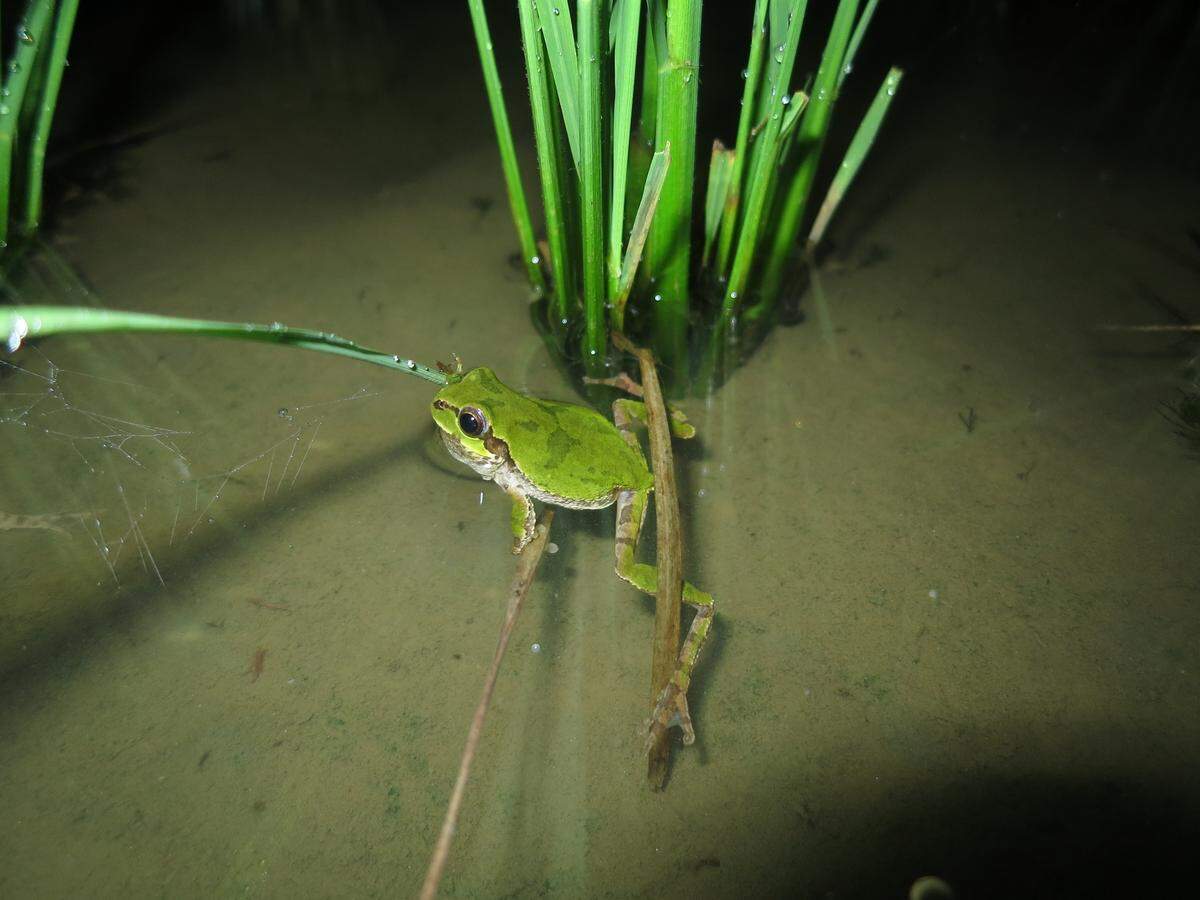
The frogs primarily live in plains and low mountains, according to the study, but can occasionally be found in higher elevations. The species can be found in paddy fields, forests, wetlands and gardens.
When female east Japan tree frogs lay eggs, they lay them one at a time, something that is different from many other populations of tree frogs that lay eggs in small batches, according to the study. The eggs are stuck on weeds, roots, aquatic plants and occasionally on muddy bottoms.
“Dryophytes japonicus including (the east Japan tree frog) is listed as least concern in the IUCN category. It is not listed in the Japanese Red List by the Ministry of Environment, but in Tokyo Metropolis, populations assigned to D. leopardus (new species) are treated as endangered (in urban areas), vulnerable (in northern and southern Tama), and near threatened (in western Tama) by the local government,” researchers said.
The holotype, or primary specimen of the new species, was found in Toyota City, near the eastern coast of central Japan.
The research team includes Tomohiko Shimada, Masafumi Matsui and Keito Tanaka.
This story was originally published February 27, 2025 at 3:15 PM with the headline "Bright green creature — with ‘leopard’-print thighs — is new species in Japan. See it."