Ancient village — with high society — uncovered during construction in Czechia. See it
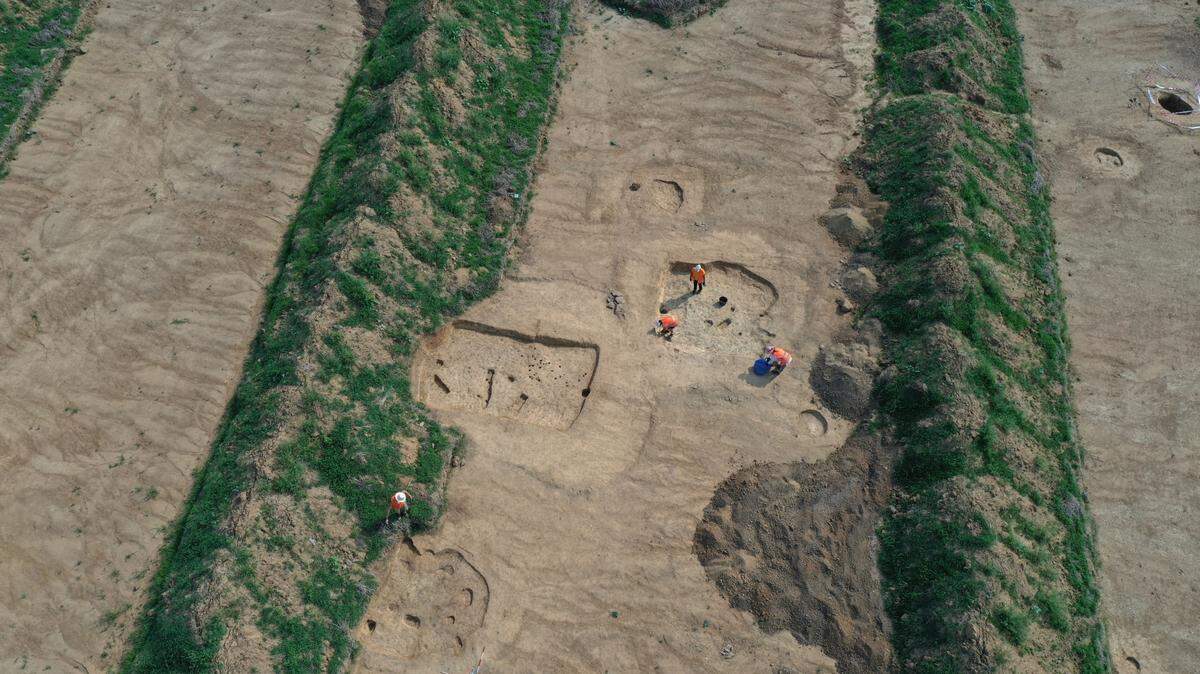
In a town in central Czechia, or the Czech Republic, the remains of an ancient village were buried for thousands of years.
Then, archaeologists working with road crews on the construction of a bypass around Prague stumbled on 7,000-year-old artifacts.
Eight long, column-like structures were dated to the end of the Neolithic period, along with homes from the late Hallstatt period, around 5,000 B.C., according to a Dec. 16 news release from the Institute of Archaeology at the Academy of Science of the Czech Republic.
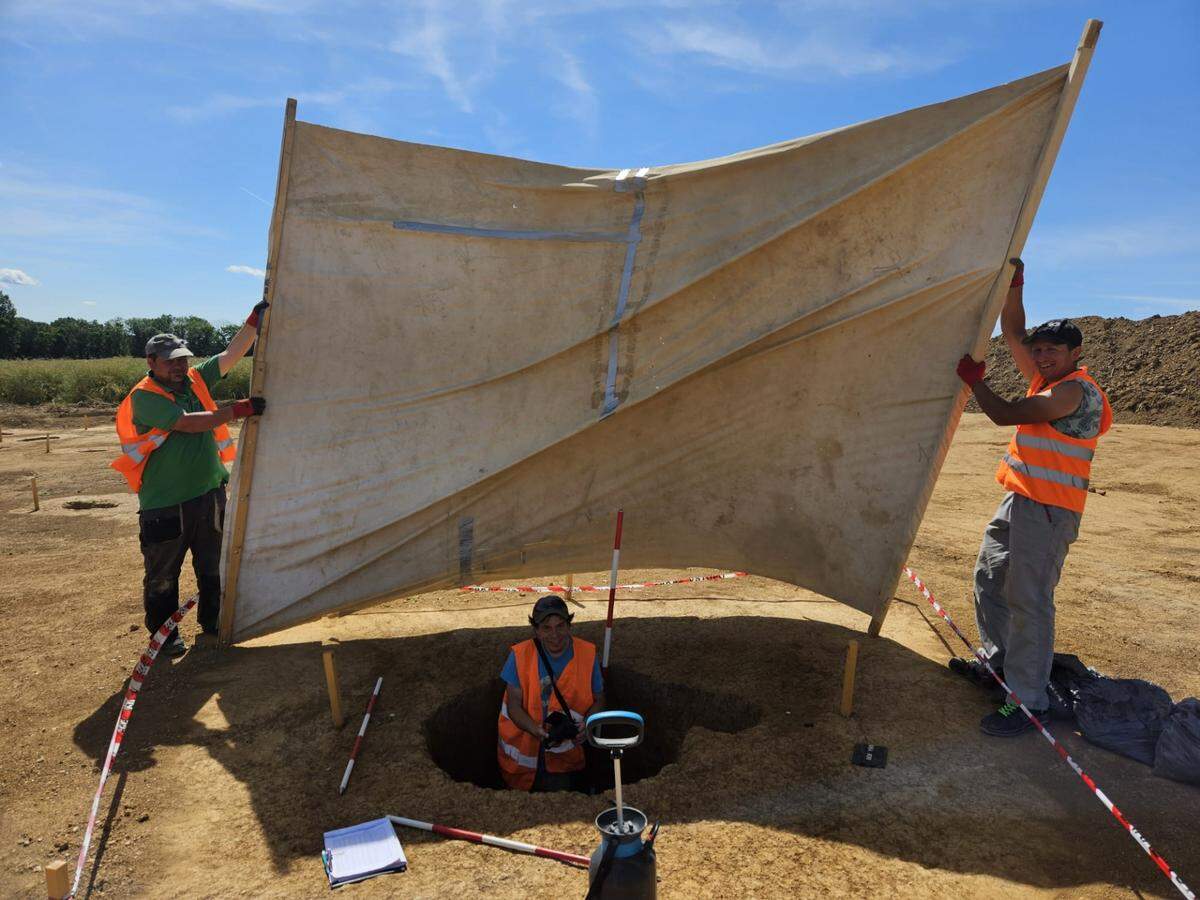
Homes during this period were built sunken into the ground, researchers said, and they used pits and troughs for storage and waste.
Ten of these half-buried homes have been uncovered, and with them the pieces that once stood in their kitchens.
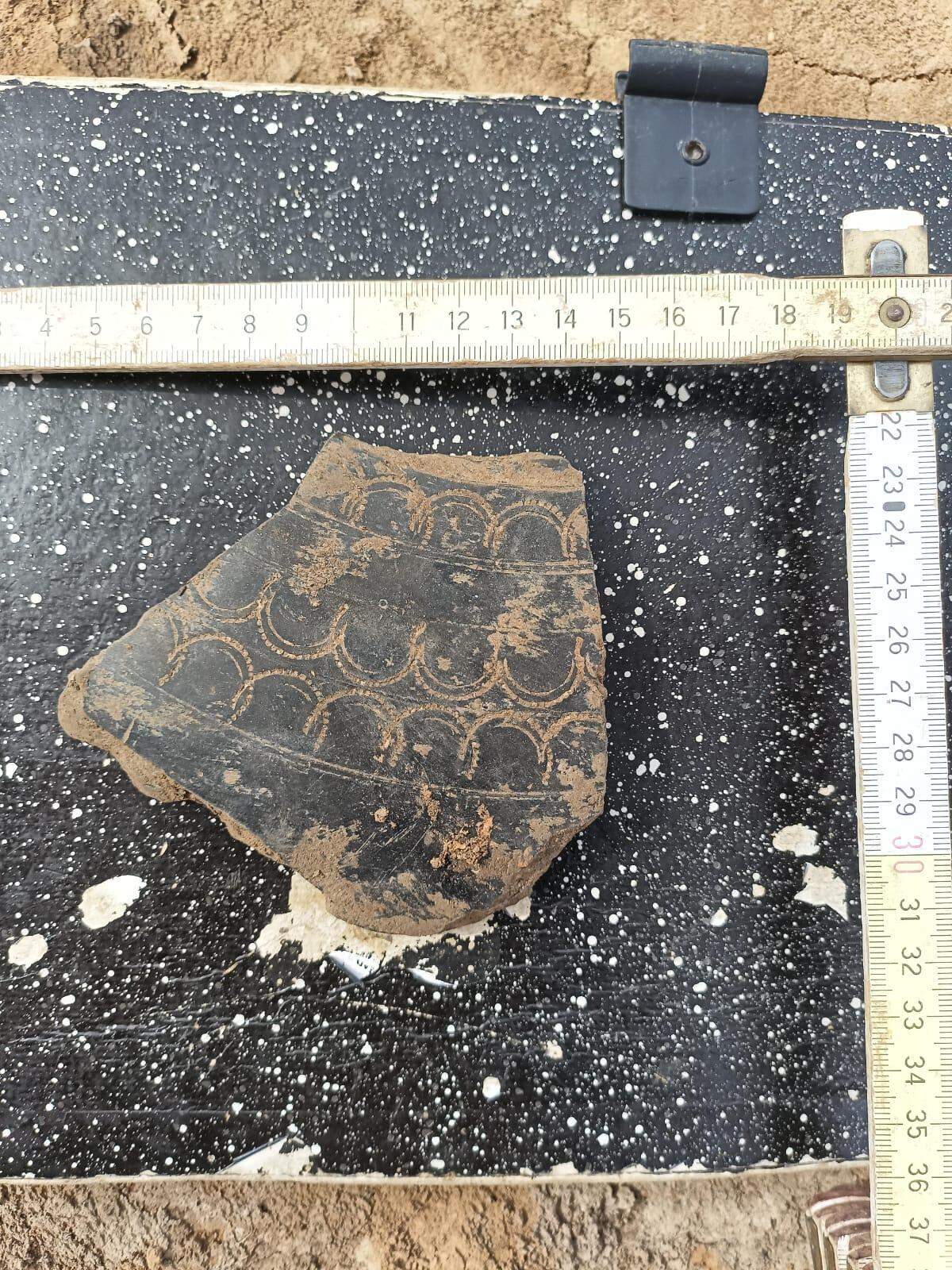
Researchers said they found both coarse kitchen ceramics as well as more delicate ceramics with intricate stamp decorations and preserved patterns.
Pieces of ancient everyday life were also found, including whorls, iron and bronze tools and clay and glass beads, according to the release.
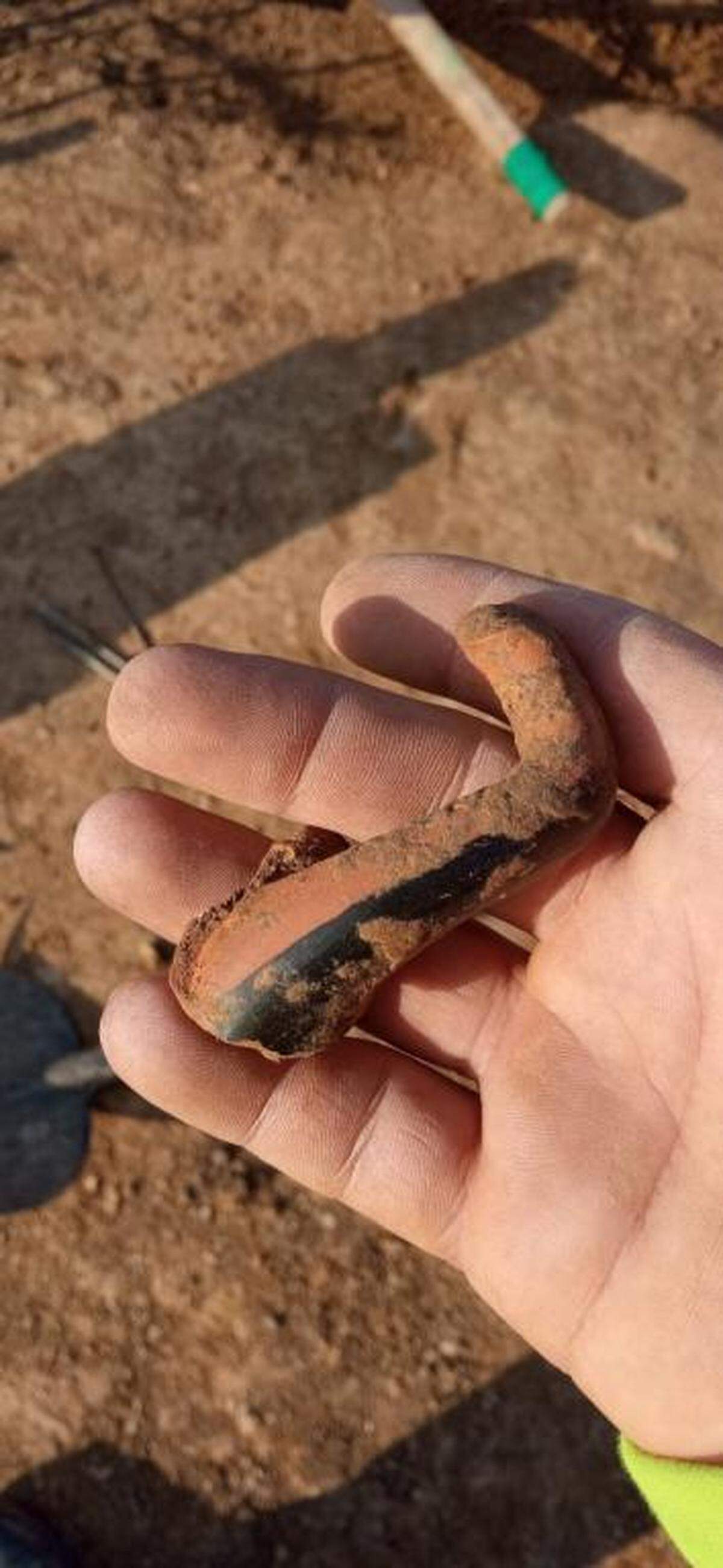
A surprising find was the handle of a kylix, researchers said, a type of drinking vessel that would have been used to drink wine from the Adriatic region. The use of this cup with the glass beads suggests the people of this village had some kind of contact with people from the Mediterranean, researchers said.
Someone of prominence, likely a high-ranking member of society, also lived or came to the village, according to the release. A bronze horse phalerae, or an ornament, was found at the site and would have been owned by someone of status, researchers said.
There was also evidence of metalworking, researchers said, evident from a ceramic nozzle that would have been used to blow air on metal and increase its temperature. The research team also found fragments of slag, a byproduct of smelting.
While most of the village is thousands of years old, one section of the site dates to a much later period, around the 13th century, researchers said.
There were several dozen circular pits, some more than 12 feet deep, that would have not been able to be formed simply by digging by hand, according to the release.
Instead, researchers believe they may have been made during prospecting for gold mining in the gravelly terraces of the Pitkovický stream. One of the most important Czech gold mines, particularly during that era, is just over nine miles away, and the medieval people may have been looking to see how far the buried gold extended.
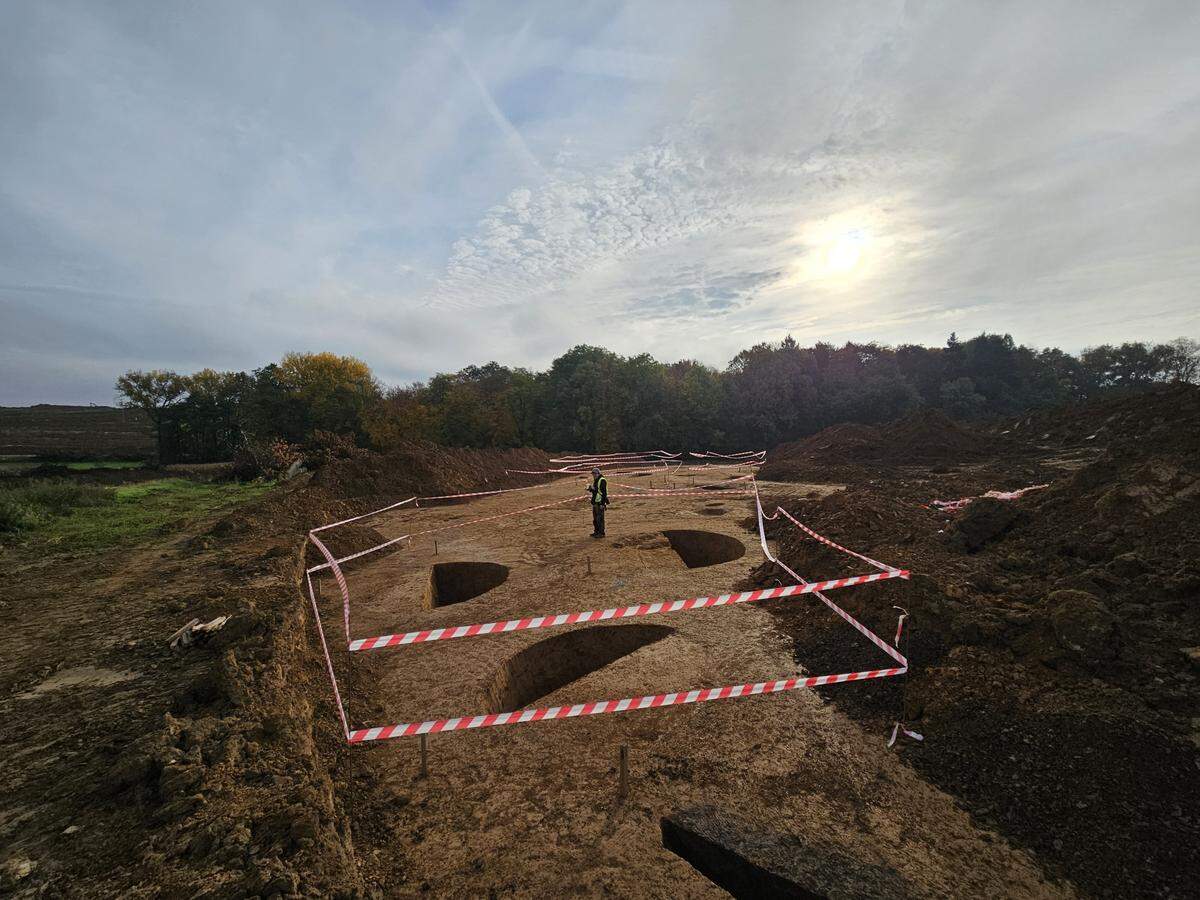
Since May, archaeologists have uncovered more than 9,000 archaeological artifacts as part of the road expansion project, according to the release. The earthworks are ongoing, and construction of the road is expected to continue until 2027, diverting heavy traffic around Prague.
The village was found in the town of Nupak, about a 10-mile drive southeast from central Prague.
Google Translate was used to translate the news release from the Academy of Science of the Czech Republic.
This story was originally published December 18, 2024 at 5:00 PM with the headline "Ancient village — with high society — uncovered during construction in Czechia. See it."