Volunteer notices buried structure on mountaintop — and finds ancient Roman campsite

As archaeologists excavated a valley in Switzerland, a volunteer decided to explore a nearby peak. They scanned the ground with a radar device and noticed a buried structure.
It turned out to be an ancient Roman campsite.
The project began in 2021 with the goal of studying an ancient Roman battlefield in the Swiss Alps, the Canton of Graubünden said in an Aug. 29 news release. For years, archaeologists, university students and volunteers surveyed the area looking for traces of the Roman military.
Last fall, a volunteer decided to search a slightly different spot: the mountaintop of Colm la Runga about 3,000 feet above the battlefield. Using a LiDAR radar device, they scanned the peak and noticed some buried structures, officials said.
Archaeologists identified the structures as a 2,000-year-old Roman military camp.

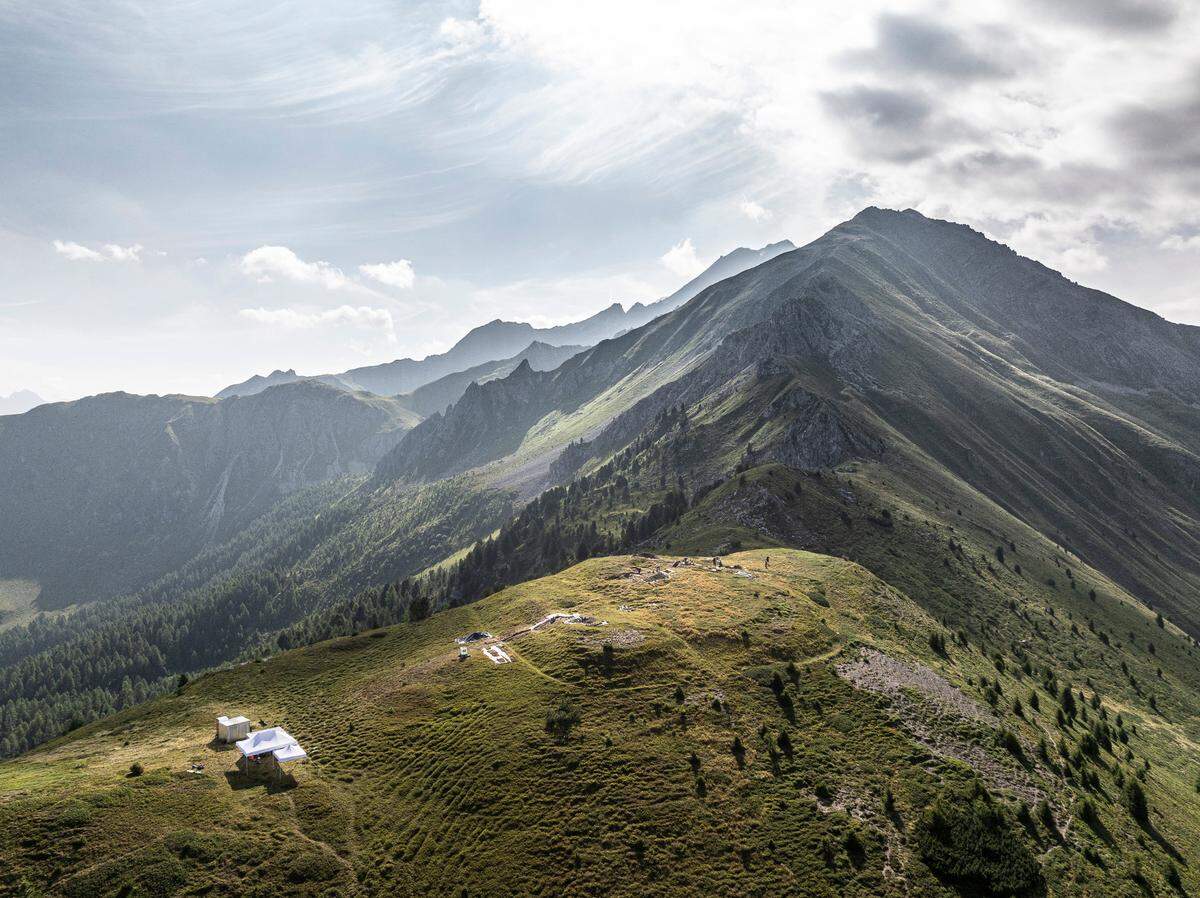
The fortified campsite had three ditches and a rampart barrier, officials said. A photo shows the strategic — and dramatic — location situated about 7,200 feet above sea level. From here, the Roman military could control the surrounding valleys and mountain passes.
Follow-up excavations and metal detecting unearthed equipment and weapons left by Roman soldiers, archaeologists said. A photo shows one of these pointed arrowhead-like artifacts. The finds included slingshots and nails used in shoes.

Based on the artifacts, archaeologists dated the campsite to about 20 B.C. — the same period as the nearby ancient battlefield.
Archaeologists did not specify the project’s next steps.

Colm la Runga is a peak in the Graubünden region and a roughly 100-mile drive southeast of Zurich, near the border with Italy.
Google Translate was used to translate the news release from the Canton of Graubünden.
This story was originally published August 30, 2024 at 10:18 AM with the headline "Volunteer notices buried structure on mountaintop — and finds ancient Roman campsite."