Jewelry-filled graves unearthed near huge ancient Roman settlement. Take a look
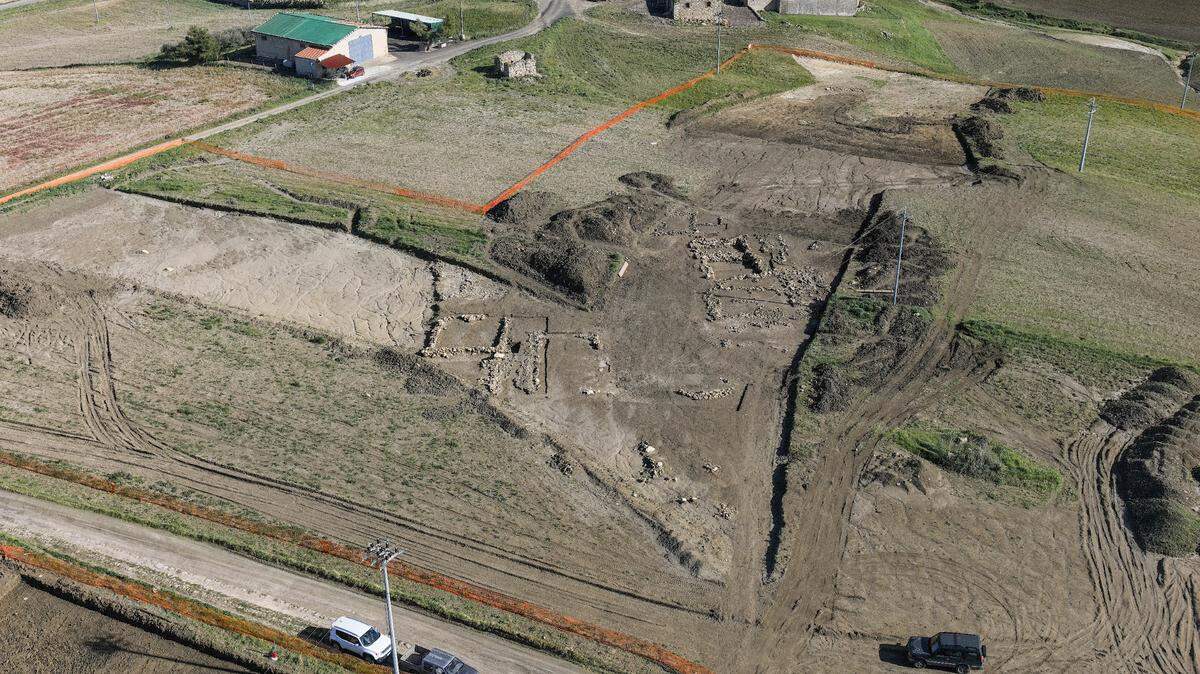
Railway construction in Italy uncovered a 1,700-year-old Roman settlement and burial ground. Unique and elaborate artifacts discovered there testify to the area’s ancient wealth.
Ahead of the construction of a new railway route, archaeologists with the civil engineering company Italferr excavated a hill near the Dittaino River in Sicily, the company said in a July 2 news release.
Digging into the gray-brown dirt, archaeologists found the ruins of a vast ancient Roman settlement primarily occupied from 50 to 300 A.D. but later reused. The settlement had residential structures, such as a multi-room villa, and production areas.
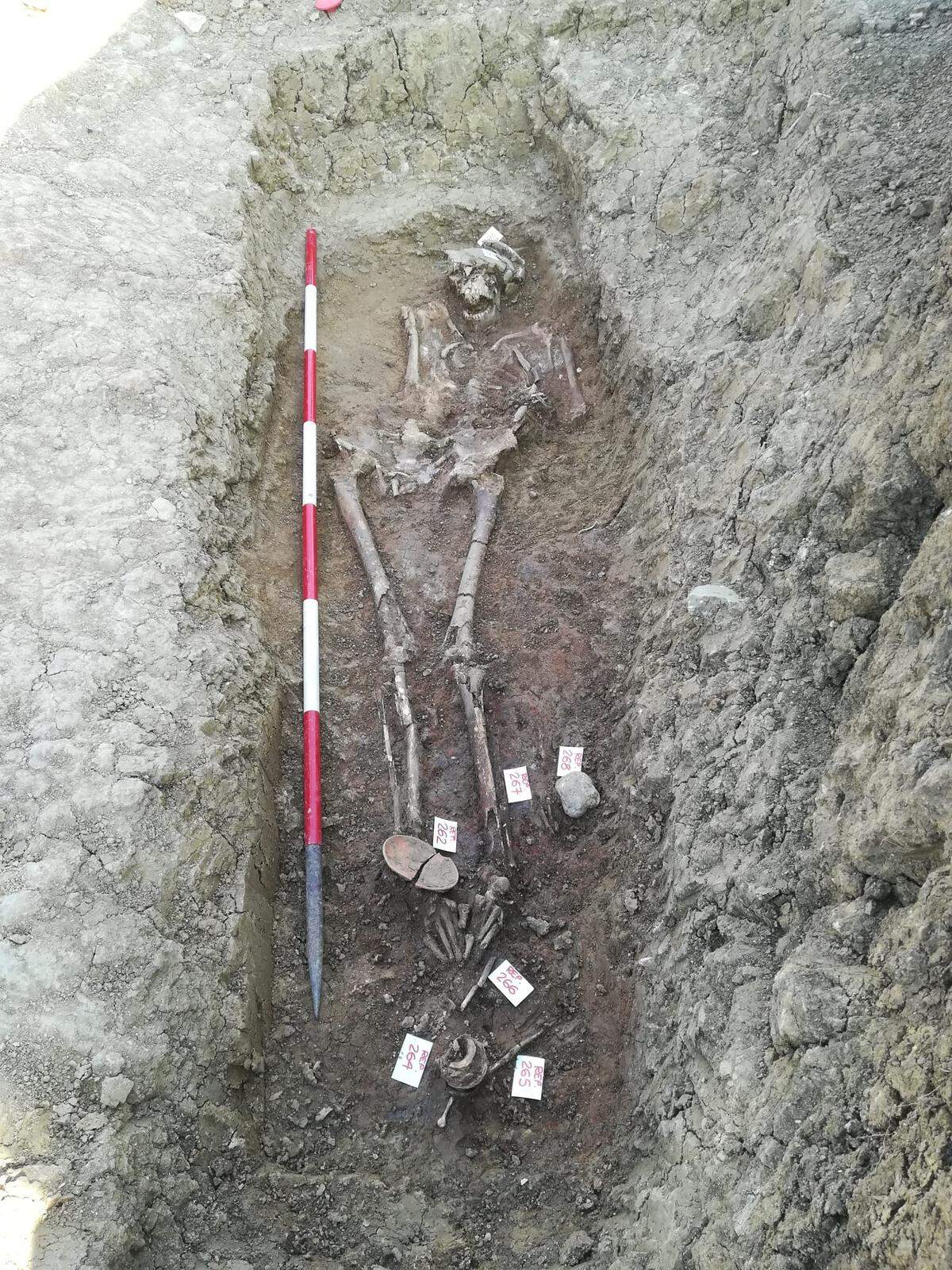
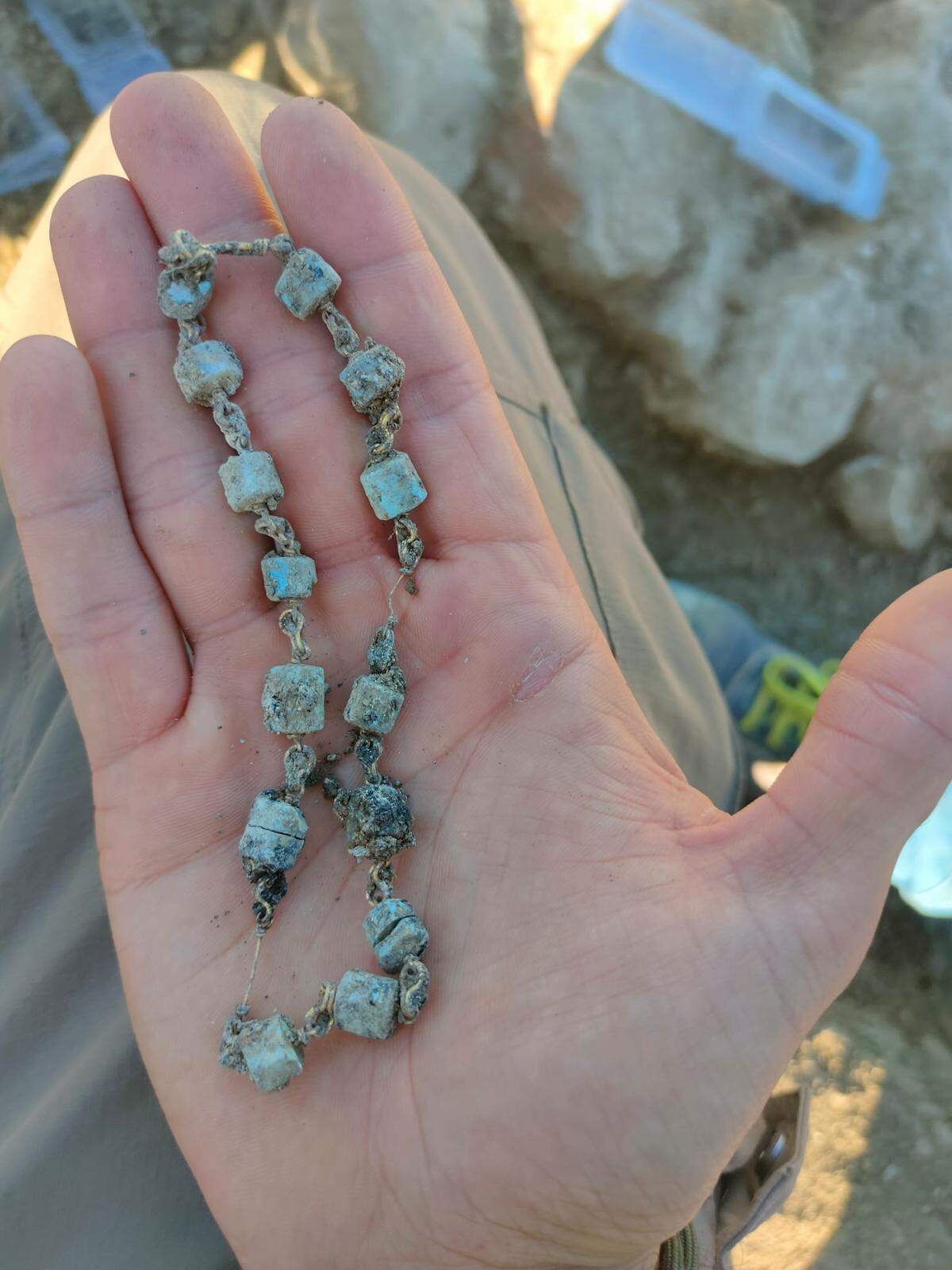
Atop a nearby hill, excavations uncovered a huge burial ground linked to the settlement. The graveyard had 168 burials and showed evidence of social hierarchies.
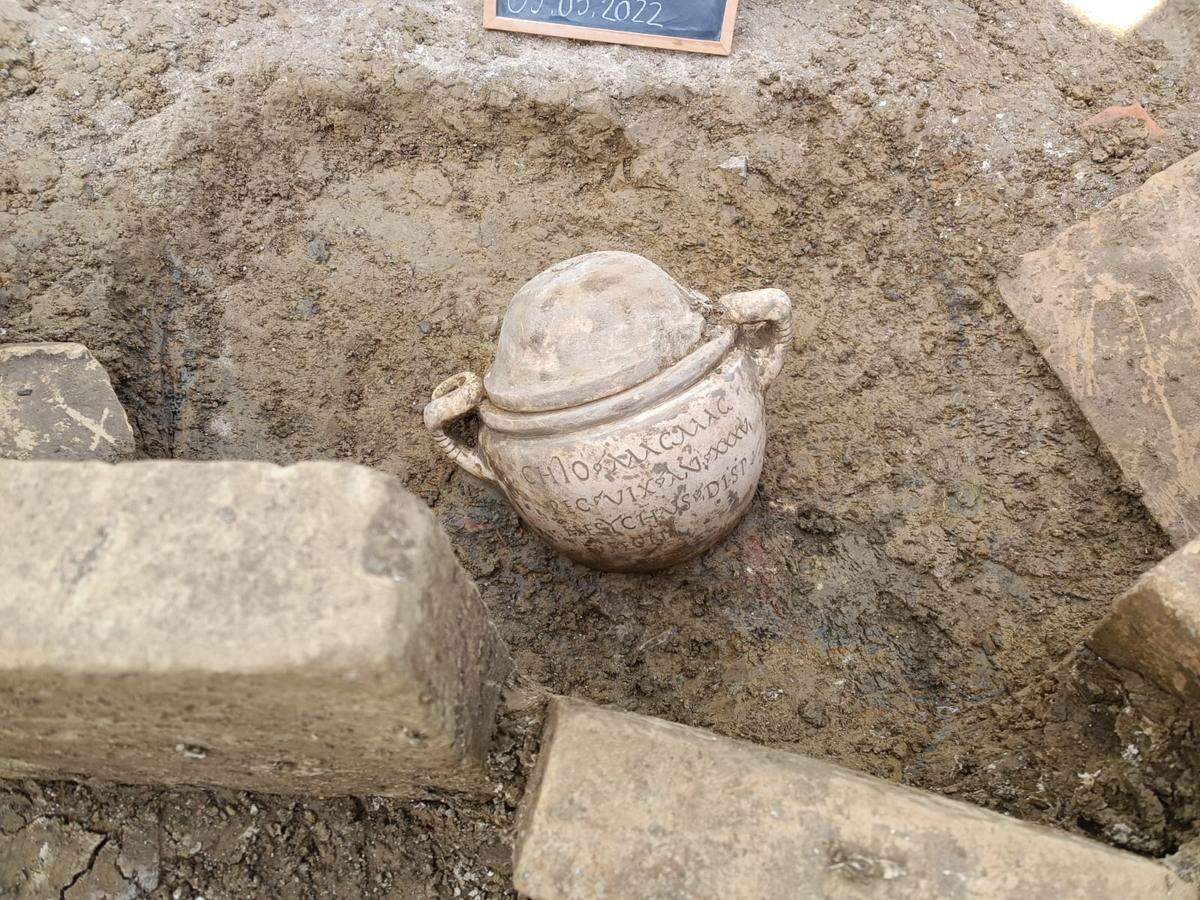
Based on the inscription on the ancient marble urn, archaeologists know the settlement had a complex administrative system and bred animals
Along one edge of the 1,700-year-old site, radar surveys located traces of a possible cult site, archaeologists said. The area had layers of burnt animal bones, bone pins, bone needles and a die with an undeciphered inscription. A photo shows these artifacts.
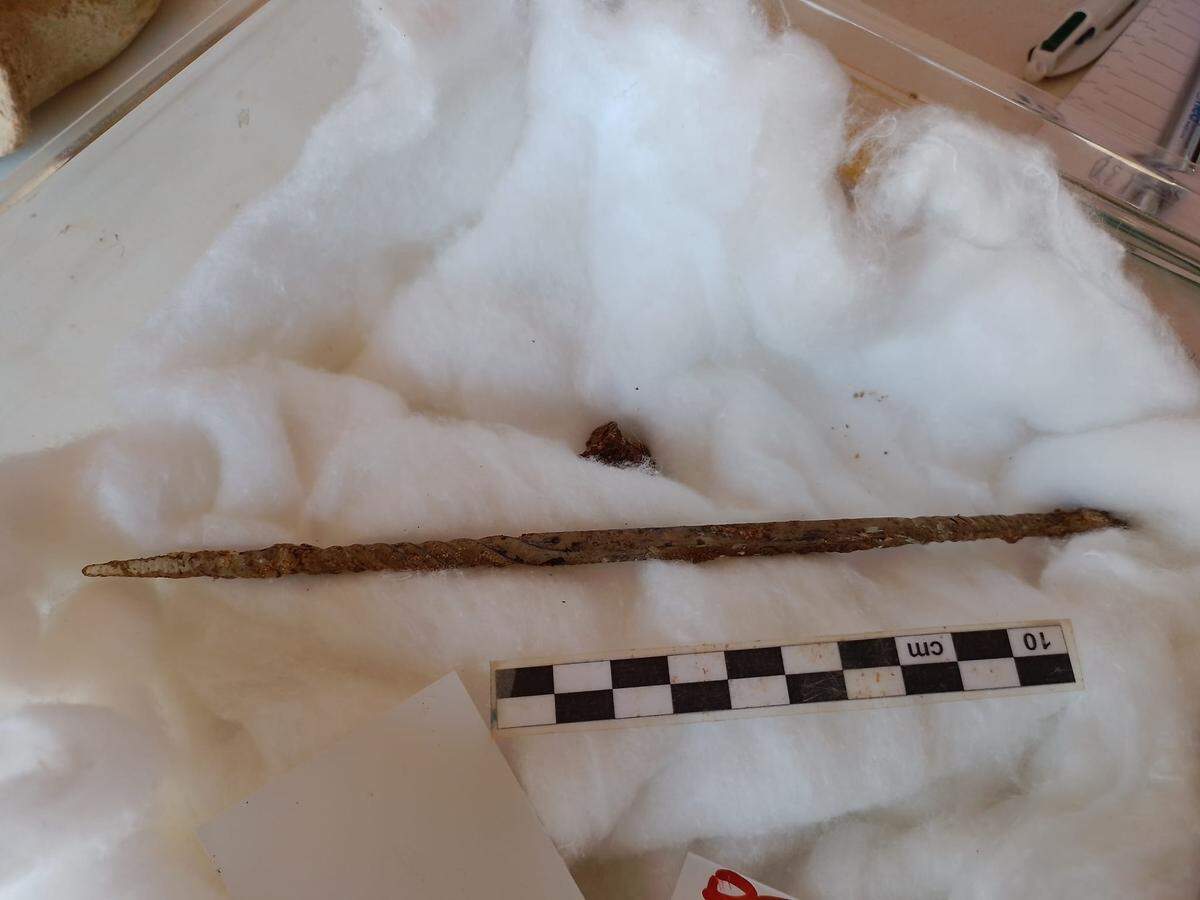
In a LinkedIn post, the company described the finds as “timeless discoveries.”
Excavation at the site began in 2020 and is ongoing. The Dittaino River runs through central Sicily, an island off the coast of southern Italy.
Google Translate was used to translate the news release from Italferr.
This story was originally published July 3, 2024 at 11:02 AM with the headline "Jewelry-filled graves unearthed near huge ancient Roman settlement. Take a look."