Ancient castle walls in Kosovo hid 1,700-year-old artifact — until now. Take a look
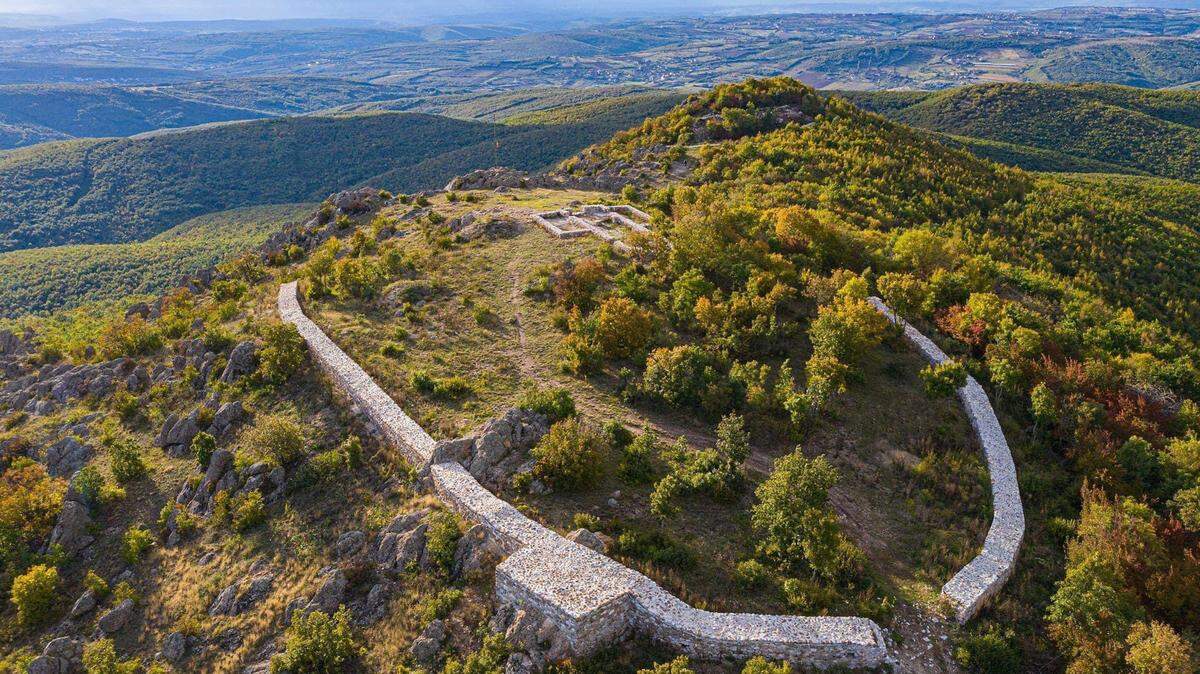
In the Kosovo countryside, the remnants of an ancient castle sit atop a hill overlooking the valley.
An outer wall creates a circular shape that once guarded the building within. Centuries after the fortress was occupied, it is now being explored for the first time — and its secrets are being revealed.
The castle sits just southwest of the town of Drenas in the village of Vuçak with which it shares a name, according to the Archaeological Guide of Kosovo.
Vuçak Castle was built in a prominent position in the region, according to the guide, and the site was used from prehistoric to medieval times. In the years before the Middle Ages, the fort was the center of defense for the community.
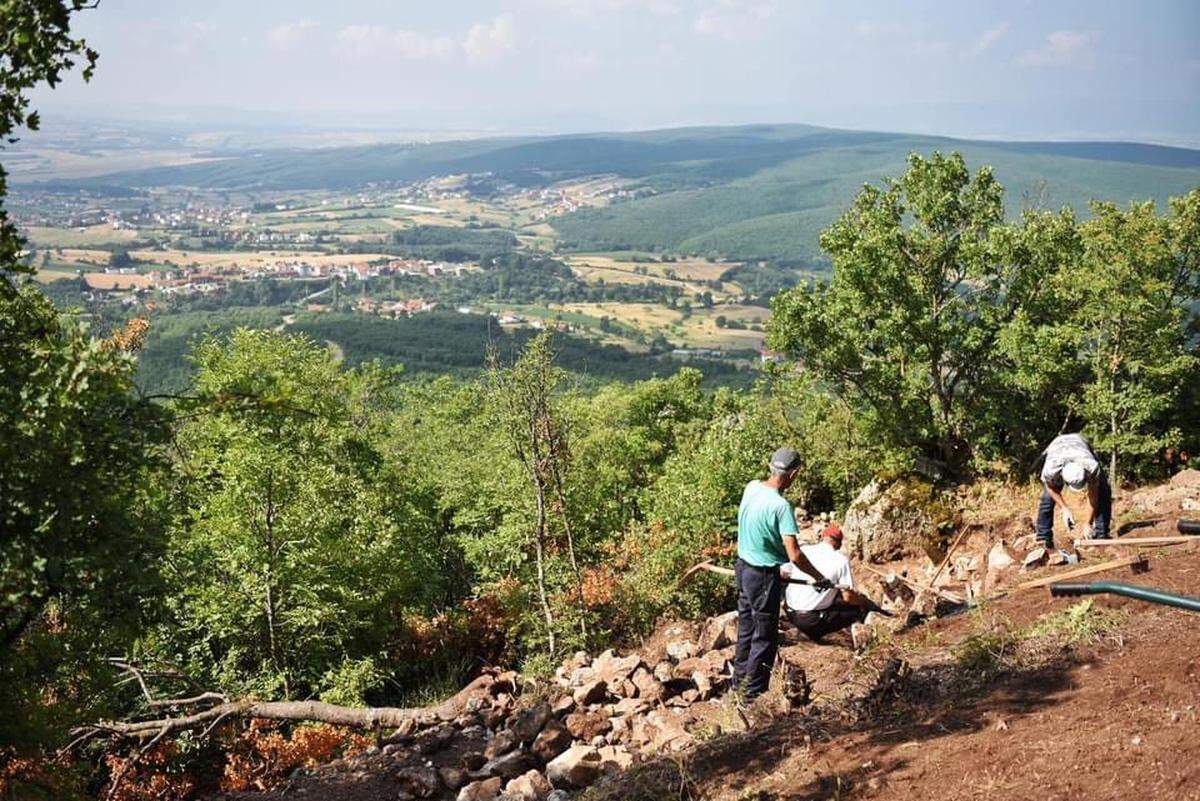
Excavations at the castle have just begun, Kosovo’s Prime Minister Albin Kurti shared on X, formerly known as Twitter, but teams have already made a “significant discovery.”
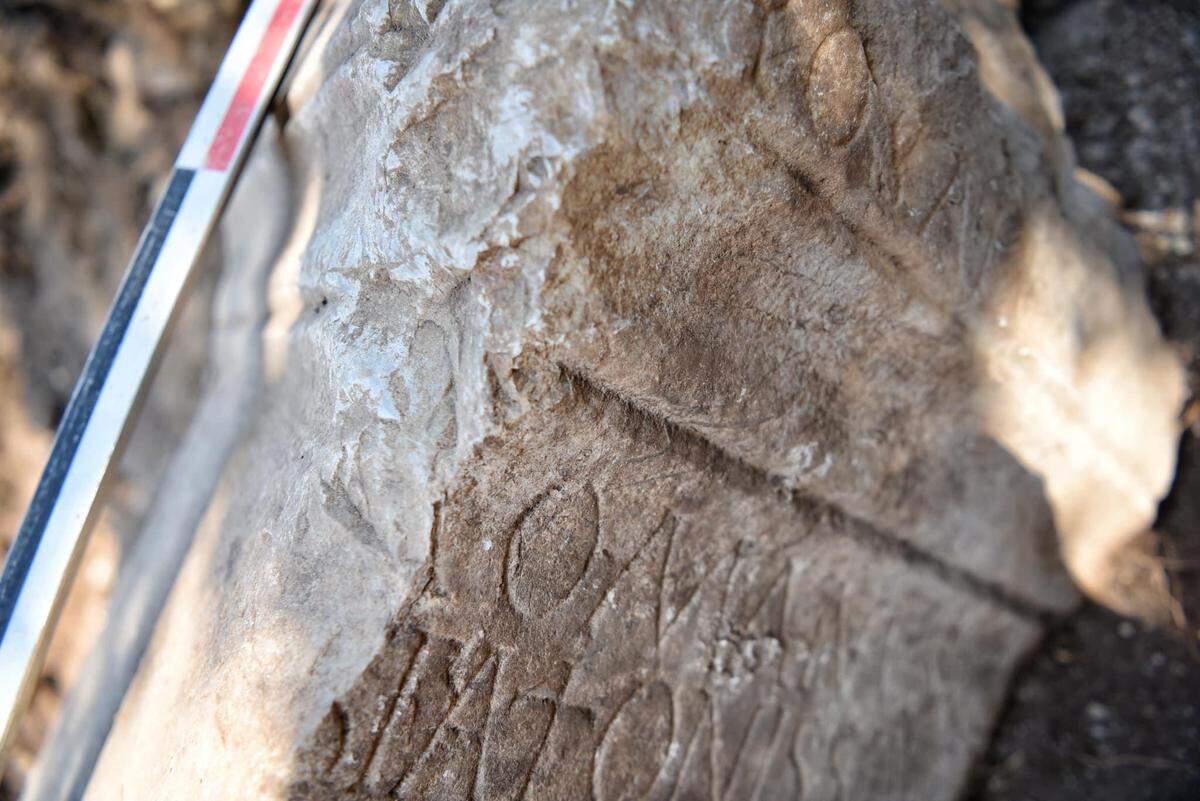
Hidden in the outer castle walls, a stone was covered in Roman writing, Kurti said. It belonged to a Roman altar from the 3rd century.
The stone was what is known as a spolia, the Latin word for “spoils,” which are stones and other architectural fragments that are taken from their original context and then used to build something else, according to Brown University.
In this case, the altar was broken apart to create stones for the wall.
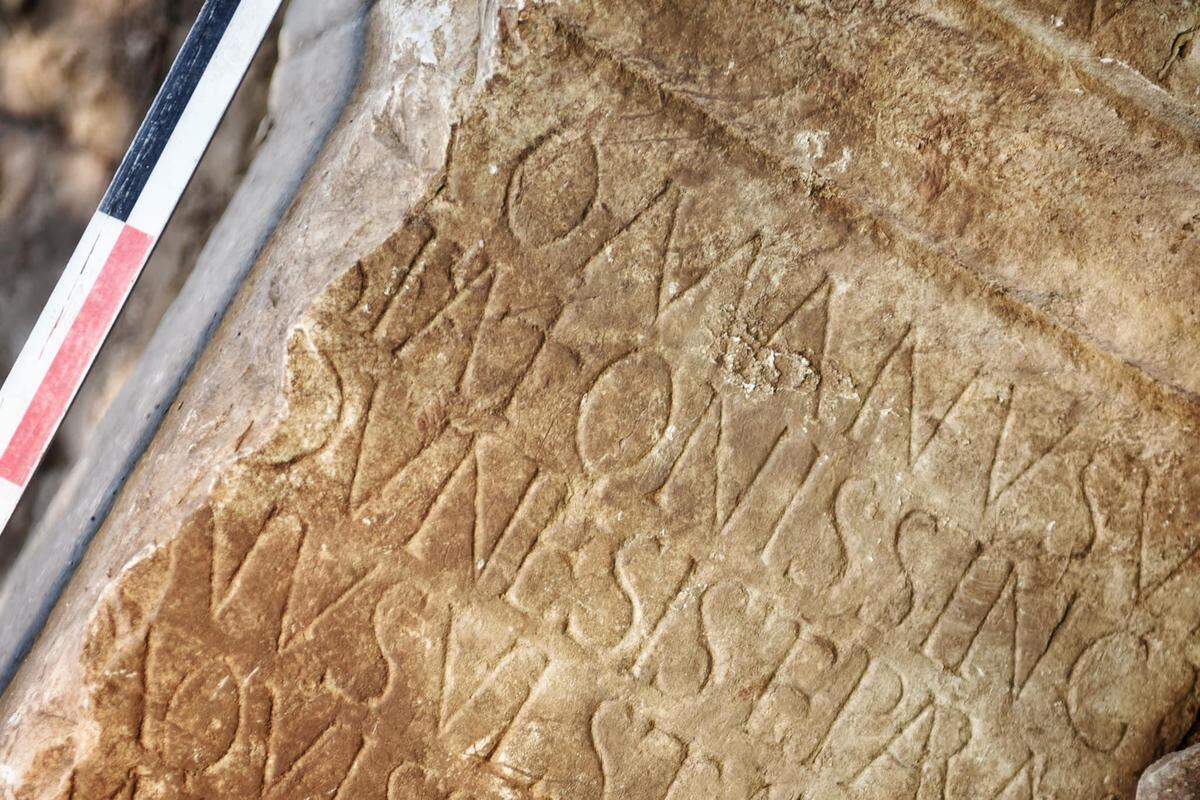
Kurti said the altar had been reused hundreds of years after it was originally carved. While the lettering comes from the 3rd century Roman Empire, the wall was built during the Justinian period in 527 to 565 A.D., according to the post.
“The altar is of particular importance as evidence of continuous life and culture from prehistory and antiquity to the middle ages,” Kurti wrote.
The land of modern-day Kosovo was once part of the ancient state of Dardania, which developed during the fourth century B.C., Edi Shukriu, from the University of Pristina, wrote in Prehistory and Antique History of Kosovo.
The Dardanians later fought alongside the Illyrians against Roman invasion after the conquest of Macedonia, Shukriu said, but eventually Dardania fell and became part of the Roman province of Moesia in 44 A.D.
The Romans built a network of roads under Emperor Augustus which traversed what is Kosovo today. They helped build an economy of trade, mining, agriculture and handicrafts, Shukriu says, which led to some booming towns.
Then, in the year 518, an earthquake tore cities down, which were then ordered by Emperor Justinian to be rebuilt, according to Shukriu, around the time the Roman altar would have been used to construct the castle walls.
Kosovo, a nation in the Balkans, declared independence from Serbia in 2008. Its sovereignty remains partially disputed but has been recognized by more than 100 countries, including the United States, according to the state department.
This story was originally published July 3, 2024 at 9:52 AM with the headline "Ancient castle walls in Kosovo hid 1,700-year-old artifact — until now. Take a look."