
Manor from Elizabethan era unearthed by UK students. See ‘long-lost’ home’s remains
When the great manor houses of the United Kingdom were built centuries ago, it would have been hard to ever imagine their crumbling.
Built of stone and brick, their foundations were strong and their establishment in British society was unmatched.
Over time, however, whether through war and conflict or neglect and finances, some of the once magnificent homes were demolished and damaged until their stones were once again part of the land.
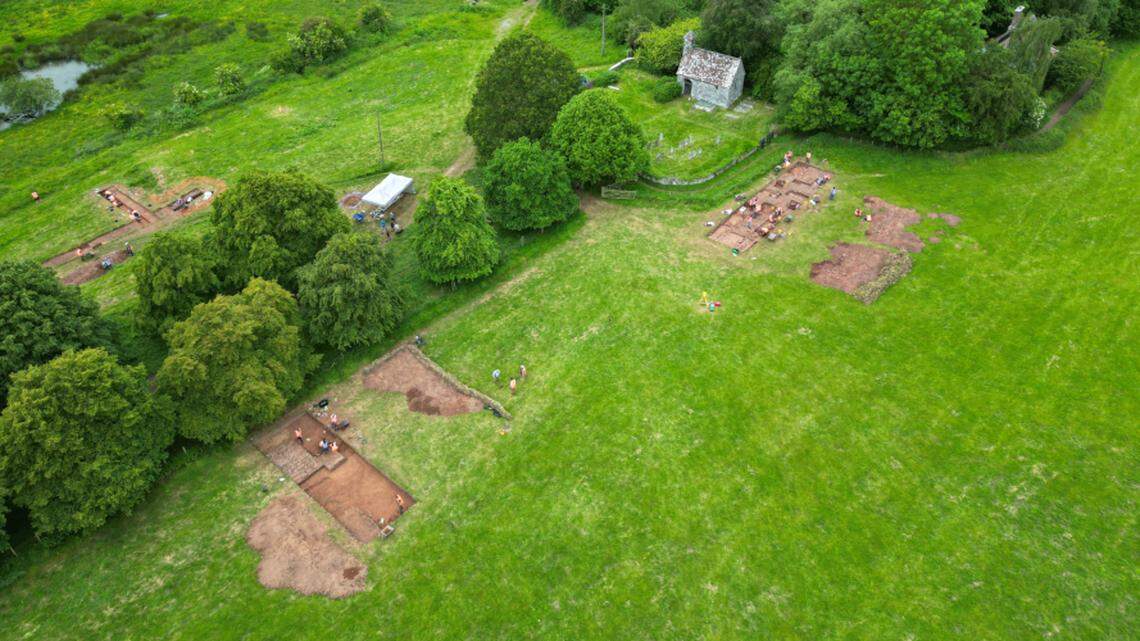
Now, one of these “long-lost” houses — from the Elizabethan era — has just been uncovered in southern England, thanks to a group of archaeology students.
“Excavations on the National Trust-managed Killerton estate in East Devon has found some of the remains of Columbjohn, the mansion that originally sat at its heart, and which once hosted Thomas Fairfax and Oliver Cromwell,” according to a June 5 news release from the University of Exeter.
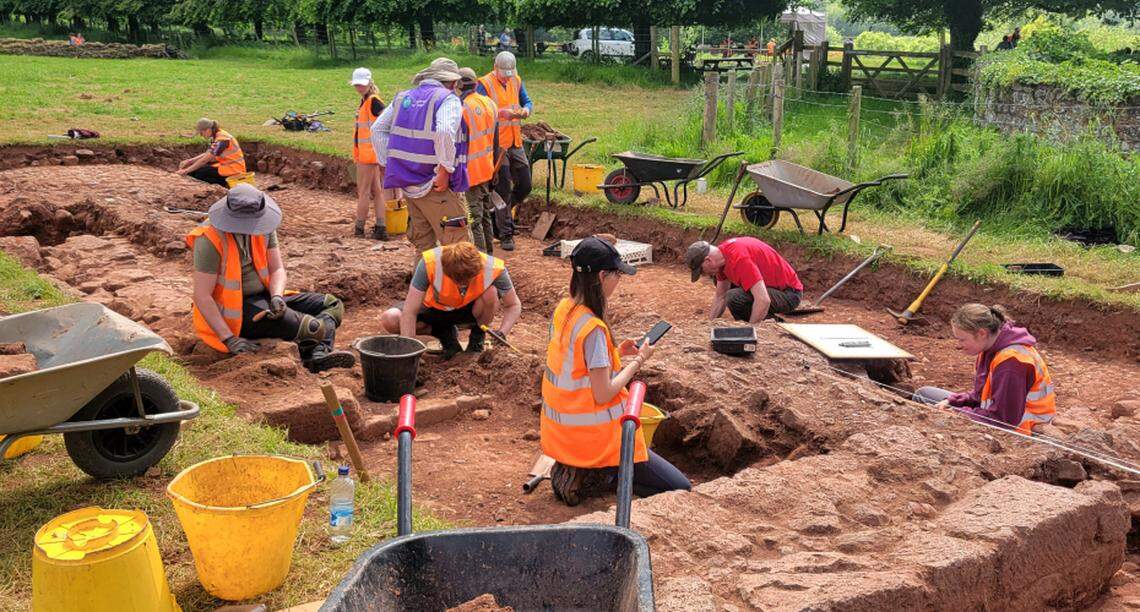
The lodging of the two political leaders was discovered as students and volunteers dug trenches and “test pits” on the property in search of the manor house, according to the university.
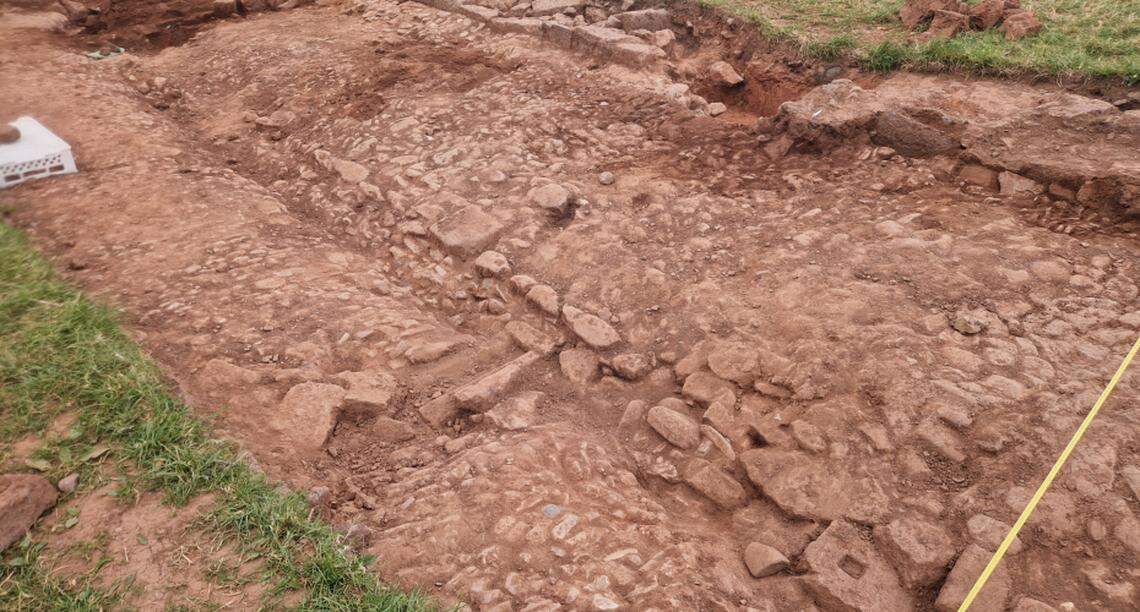
“They uncovered substantial stone walls, interior floor surfaces and a cobbled courtyard with drains and post pads that may have supported a wooden roof,” researchers said.
Researchers said the manor house “swapped hands” between the Royalists, who supported the divine right of the monarch to rule England, and the Parliamentarians, who wanted a stronger role in government, during the English Civil War in the 1640s and 50s.
The home was owned by Sir John Acland, but a preexisting house was likely built by the previous owners, the Courtenays, as many as 600 years earlier, according to the researchers.
During the English Civil War, the manor housed troops loyal to King Charles I, researchers said, but it was later taken over by the other side and acted as a headquarters for famed revolutionary Thomas Fairfax during the Siege of Exeter.
Students uncovered pieces of the home’s military past when unused musket balls left behind by soldiers were found in the dirt.
Two homes were built on the greater Killerton estate, researchers said, and when the war finished, the Acland family chose to make the other house their primary residence, leaving Columbjohn to fall into ruin beginning in the 1680s until it was eventually demolished and replaced with a church in the 1840s.
After that time, the house was “entirely forgotten,” according to the release.
“We knew that the original house bought by Sir John Acland was somewhere at Columbjohn and it’s amazing to have the location finally found. The two were joined by an avenue of trees and the family would have regularly walked between them,” National Trust cultural heritage curator Barbara Wood said in the release.
The students and volunteers also discovered items used in the daily lives of those that called the manor home.
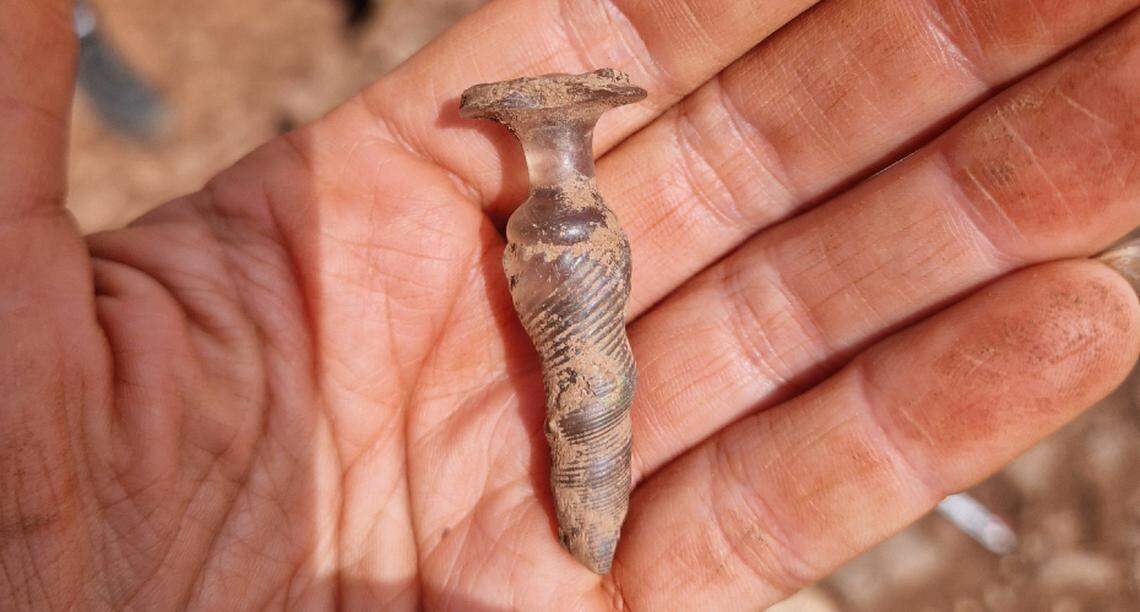
They uncovered a “twisted glass stem from a 17th century fine drinking glass; a pipe tamper ring; a double-sided bone comb; a large key, located in one of the drains; and a variety of coins, pins and buttons,” according to the release.
Archaeologists can now begin the process of establishing the layout of the manor, which was built from volcanic stone and green tiles, researchers said.
“It’s been really exciting to excavate in such a beautiful location at a place that has such a significant history,” project lead in the Department of Archaeology and History at the University of Exeter, Susan Greaney, said. “Finding the manor house, the original heart of the Killerton estate, is fantastic, and our students have worked really hard to uncover the structures and finds relating to the house.”
Devon is a county in southwest England along the English Channel.
This story was originally published June 6, 2024 at 4:39 PM with the headline "Manor from Elizabethan era unearthed by UK students. See ‘long-lost’ home’s remains."
