Evidence of ancient beekeeping found at Mayan site in Mexico. Check out what was used
.jpg "At a Mayan archaeological site in Quintana Roo, Mexico, researchers found evidence of an ancient sweet treat.")
In the days of the ancient Mayans, a liquid “gold” was used to barter between sellers and buyers, and it was part of ceremonies, rituals and feasts.
This “gold” was a sticky, sweet substance — honey.
At the Mayan archaeological site of Tulum-Chetumal in the Mexican region of Quintana Roo, researchers have discovered stones that provide evidence that the once expansive culture also took up beekeeping, according to a May 20 news release from the National Institute of Anthropology and History, the Instituto Nacional de Antropología e Historia.
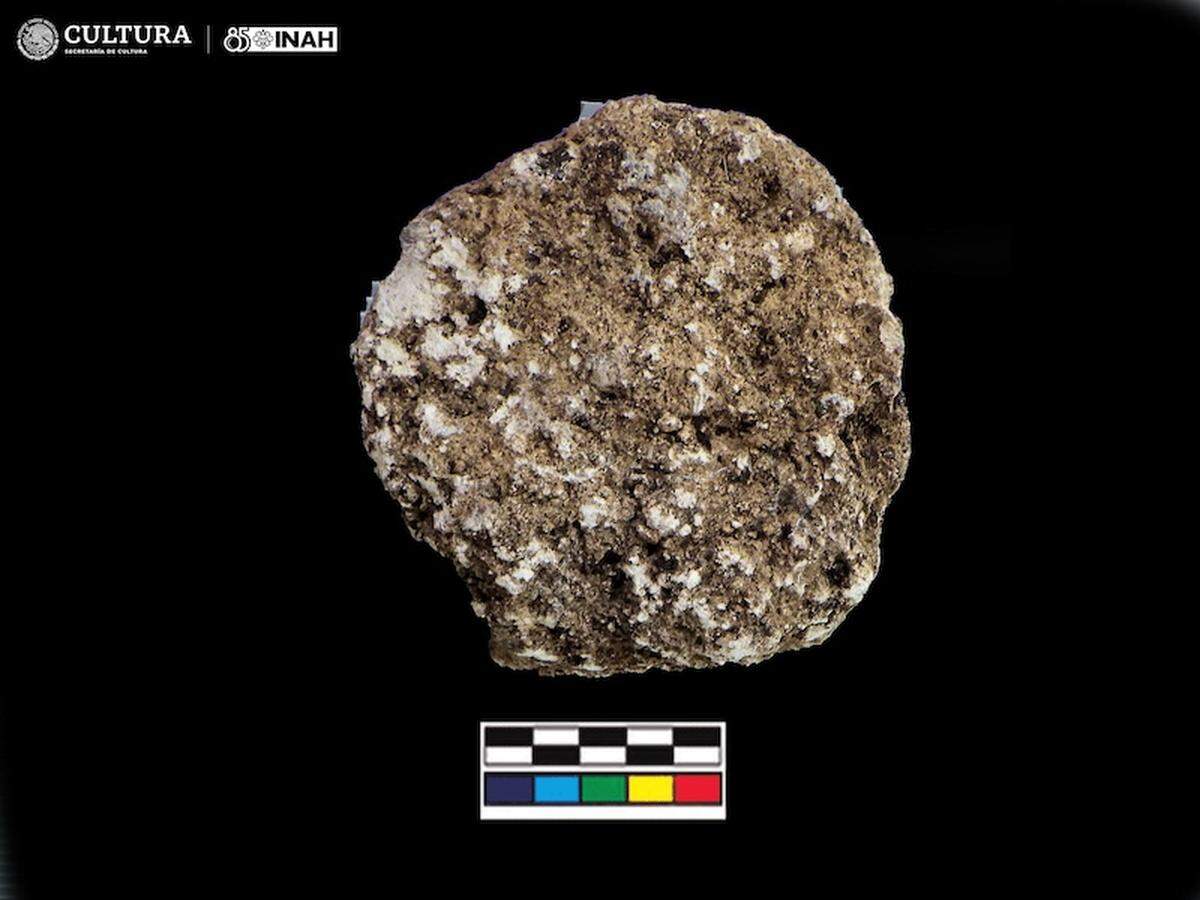
Three panuchos, or round lids made from limestone, were discovered during archaeological studies at the site, officials said.
They are about 8 inches across and date to the Postclassic period, between 950 and 1539 A.D., according to the release.
The researchers said only one of the three remains in good condition, and the other two have been heavily weathered by erosion.
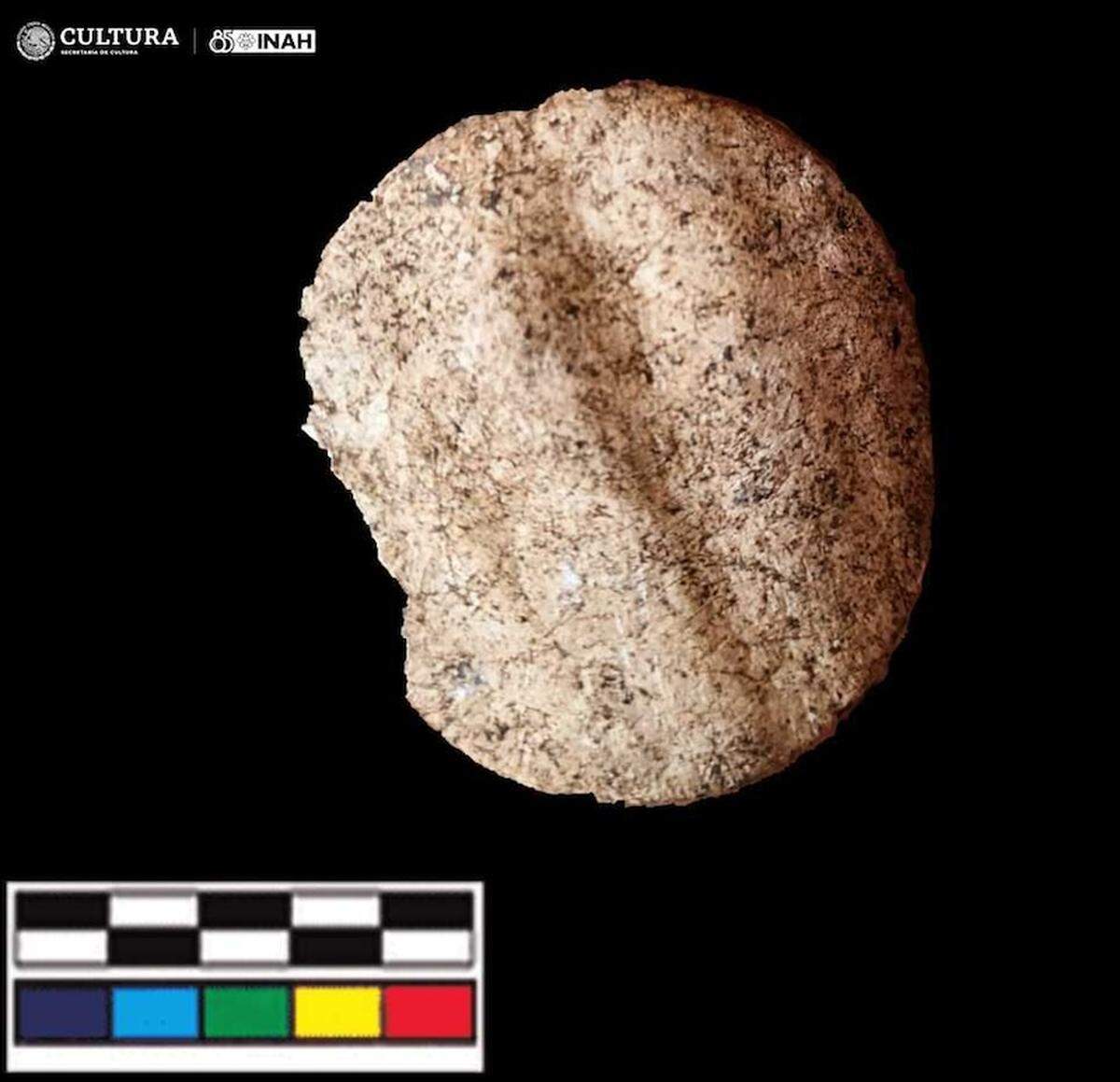
The pieces were first thought to be part of albarradas, or stone walls, but when the stones were identified as lids, it became clear that they were part of ancient constructed stone hives, or los vestigios de un meliponario, according to the release.
Their name comes from the bee species Melipona beecheii, which is common on the peninsula, researchers said.
Melinponicultura, the name for honey production in the Yucatán, was first cultivated more than 3,000 years ago, and was used by the Mayan healers to treat medical conditions like respiratory and digestive issues, Food and Wine reports.
Melipona honey is slightly sour, more watery than other honey and was eaten for its antioxidant and anti-inflammatory properties more than its flavor, according to the outlet.
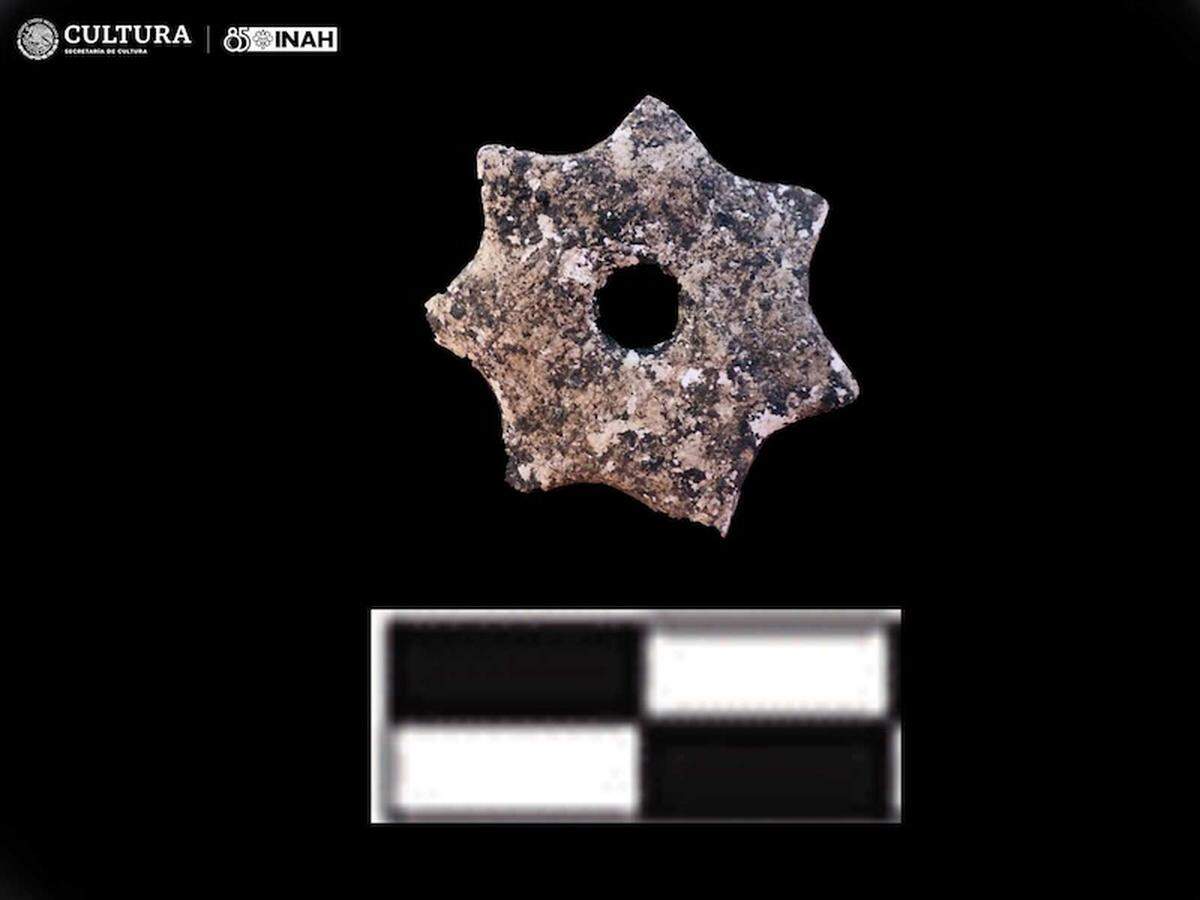
Along with the lids, researchers also found ceramics, flint, a box with orange and red tones, an axe, a hammer and a shell bead in the shape of a star, according to the release.
The site location was likely used by common people, archaeologists said, as it is on the periphery of ceremonial sites and mostly includes housing complexes where the elite would not have lived.
More than 200 artifacts have been discovered so far at the site, researchers said, and they are in the analysis stage of the project.
Quintana Roo is on the eastern coast of the Yucatan peninsula in southeastern Mexico.
Google Translate was used to translate the news release from the Instituto Nacional de Antropología e Historia.
This story was originally published May 21, 2024 at 1:23 PM with the headline "Evidence of ancient beekeeping found at Mayan site in Mexico. Check out what was used."